Introduction: Why Vertical Cucumber Growing Is A Game Changer
Cucumbers are fast-growing plants, but traditional ground planting often leads to disease, pest attacks, and misshapen fruits. When cucumbers crawl on soil, moisture and insects damage vines and reduce yield. Vertical growing combined with a drip irrigation system solves these problems efficiently. This modern method improves airflow, reduces water waste, and produces straight, clean cucumbers. Many commercial growers already use this approach for higher productivity. Home gardeners can easily adopt it with simple materials. This guide explains the entire process step by step. Even beginners can achieve professional-quality harvests.
Understanding How Vertical Growth Improves Cucumber Health
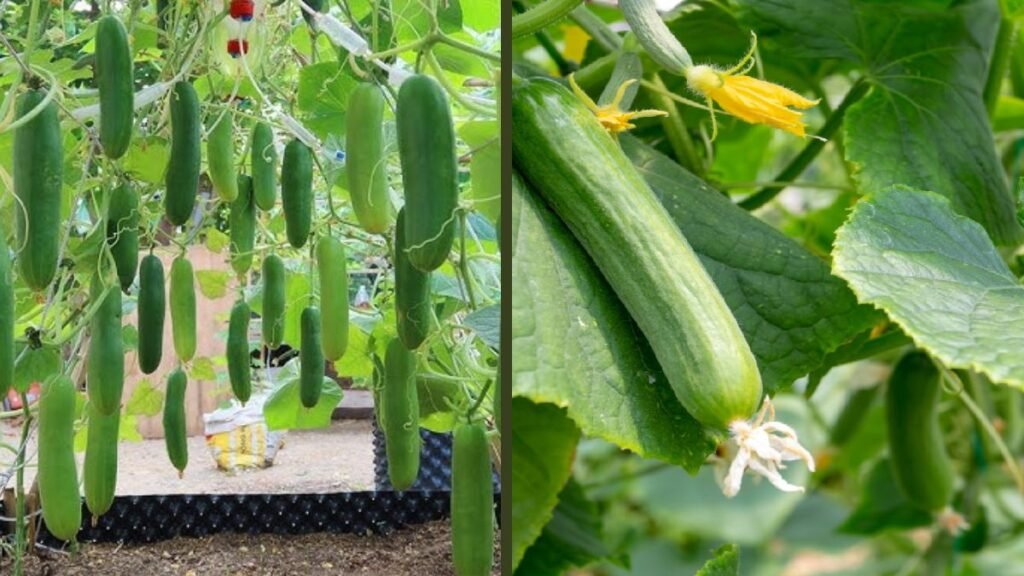
Cucumbers are natural climbers and grow better when trained upward. Vertical growth allows leaves to receive uniform sunlight throughout the day. Better light exposure improves photosynthesis and fruit size. Air circulation reduces fungal diseases like powdery mildew. Fruits hang freely and develop evenly without touching soil. Pest pressure reduces naturally because insects find it harder to reach vines. Vertical systems also make harvesting easier and faster. Overall plant health improves significantly with this method.
Choosing The Right Cucumber Variety For Vertical Growing
Not all cucumber varieties perform equally in vertical systems. Vining cucumber varieties are ideal because they produce long, flexible stems. Hybrid and disease-resistant varieties give better results. Avoid bush-type cucumbers for tall trellises. Local climate-adapted seeds perform best. Choose varieties known for uniform fruit shape. Strong genetics combined with vertical support maximize yield. Seed quality plays a major role in final production.
Preparing The Soil For Vertical Cucumber Success
Healthy soil is essential for strong vines and continuous fruiting. Cucumbers prefer loose, well-drained, nutrient-rich soil. Mix garden soil with compost and aged manure. Add neem cake to prevent soil pests. Avoid compacted soil that restricts root growth. Organic matter improves moisture retention. Balanced soil nutrition supports long-term production. Soil preparation sets the foundation for high yield.
Building A Simple And Strong Vertical Support System
Vertical supports can be made using bamboo, wire mesh, or nylon netting. The structure must be strong enough to support heavy vines and fruits. Height should be at least five to six feet. Secure the base firmly into the ground or container. Vertical systems save space and improve garden organization. Strong supports prevent plant collapse during fruiting. A well-built trellis ensures long-term success.
Installing A Drip Irrigation System Correctly
Drip irrigation delivers water directly to plant roots, reducing waste. Use simple drip pipes or perforated tubes near the base of plants. Water flows slowly, allowing deep absorption. This prevents leaf wetting and fungal disease. Drip irrigation saves time and water. It also maintains consistent soil moisture. Proper installation ensures uniform growth across all plants.
Watering Schedule For Maximum Cucumber Yield
Cucumbers need consistent moisture to avoid bitter fruits. Drip irrigation should run daily for short durations. Early morning watering is best. Avoid overwatering, which causes root rot. Soil should remain moist but not soggy. Consistent water supply improves fruit size and texture. Irregular watering reduces yield and quality. Controlled watering is key to success.
Training Cucumber Vines To Grow Vertically
Young cucumber vines need gentle guidance initially. Tie stems loosely using soft cloth or garden ties. As vines grow, they naturally cling to supports. Avoid tight tying to prevent stem damage. Regular training improves plant shape and airflow. Well-trained vines produce straighter fruits. Vertical training also makes pest inspection easier. This step ensures neat and productive growth.
Mulching To Support Drip Irrigation Efficiency
Mulching helps retain moisture delivered by drip irrigation. Use straw, dry leaves, or grass clippings. Mulch reduces evaporation and weed growth. It also keeps soil temperature stable. Mulched soil improves root health. Fewer weeds mean less nutrient competition. Mulching complements drip systems perfectly. This combination boosts overall productivity.
Table: Benefits Of Vertical Growing With Drip Irrigation
Benefit Description
Vertical growth improves airflow and reduces disease
Drip irrigation saves water and maintains soil moisture
Hanging fruits grow straighter and cleaner
Less soil contact reduces pest and rot problems
Easy harvesting improves time and labor efficiency
Fertilization Strategy For Continuous Fruiting
Cucumbers are heavy feeders and need regular nutrition. Apply compost tea every ten days. Potassium-rich organic fertilizers improve fruit development. Avoid excess nitrogen after flowering starts. Balanced feeding prevents flower drop. Liquid feeding works best with drip systems. Regular nutrition supports long harvest periods. Healthy feeding equals higher yield.
Flowering And Pollination Management
Cucumber plants produce male and female flowers separately. Bees play an important role in pollination. Avoid chemical sprays during flowering. Hand pollination can be done if needed. Healthy flowers lead to better fruit set. Stress during flowering reduces yield. Maintain moisture and nutrients carefully. Pollination success directly affects production.
Natural Pest And Disease Control Methods
Vertical growing already reduces pest problems significantly. Neem oil spray controls aphids and beetles. Baking soda solution prevents fungal diseases. Remove infected leaves immediately. Keep garden clean and dry. Healthy plants resist disease naturally. Avoid chemical pesticides. Organic control keeps cucumbers safe to eat.
Harvesting Cucumbers At The Right Stage
Harvest cucumbers when they are young and firm. Overripe cucumbers reduce further flowering. Regular harvesting encourages continuous fruiting. Use clean tools to avoid vine damage. Early harvesting improves taste and texture. Timely harvest also reduces pest attraction. Proper timing increases total yield.
Common Mistakes To Avoid In Vertical Cucumber Growing
Avoid weak trellises that collapse under weight. Do not overwater plants. Avoid overcrowding vines. Ignoring training leads to tangled growth. Poor soil reduces productivity. Late pest control causes damage. Learning from these mistakes ensures success. Simple corrections make a big difference.
Why This Method Outperforms Traditional Ground Growing
Vertical growing with drip irrigation improves efficiency. Plants remain healthier and cleaner. Water usage is reduced significantly. Disease pressure is lower. Harvest quality improves noticeably. Space utilization is maximized. This method is ideal for small gardens. Results are consistent and reliable.
Suitable Spaces For This Growing Method
This method works in home gardens, terraces, and balconies. Containers and grow bags are also suitable. Even limited spaces can produce high yields. Vertical systems fit well in urban gardening. Drip irrigation adapts easily to containers. Space is no longer a limitation. Anyone can grow cucumbers successfully.
Long-Term Maintenance Of Vertical Systems
Check supports regularly for stability. Clean drip lines to prevent clogging. Replace mulch when needed. Monitor plant health weekly. Prune excess growth if required. Regular maintenance ensures season-long production. Well-maintained systems last for years. Maintenance effort is minimal.
Final Thoughts On Vertical Cucumber Farming
Growing cucumbers vertically with drip irrigation is smart and sustainable. It reduces effort while increasing yield. Plants stay healthier and fruits grow better. This method suits both beginners and experienced gardeners. Once tried, it becomes a preferred technique. Results improve every season. Start once and enjoy abundant harvests.