Introduction to Home Mushroom Growing
Mushroom growing is one of the easiest ways to produce nutritious food at home. Many people think mushrooms require complex setups. In reality, simple techniques give excellent results. Mushrooms grow quickly and need little space. They can be grown indoors or outdoors. This guide explains a complete method suitable for beginners. With minimal investment, anyone can grow mushrooms. Understanding the basics makes success easy.
Why Grow Mushrooms at Home
Mushrooms are rich in protein and minerals. They grow faster than most vegetables. Homegrown mushrooms are chemical-free. Growing at home reduces grocery expenses. Mushrooms require little sunlight. They can be grown year-round. This makes them ideal for home production.
Understanding Mushroom Growth
Mushrooms grow from mycelium. Mycelium feeds on organic material. Proper moisture and temperature are essential. Mushrooms do not need soil. Understanding this difference is important. Growth conditions determine success. Knowing how mushrooms grow simplifies the process.
Best Mushroom Varieties for Beginners
Oyster mushrooms are ideal for beginners. They grow quickly and tolerate conditions. Button mushrooms require more control. Milky mushrooms suit warm climates. Variety selection affects difficulty. Beginners should start with oyster mushrooms. Proper choice ensures success.
Choosing the Right Growing Medium
Mushrooms grow on agricultural waste. Straw, sawdust, and banana leaves work well. Medium must be clean. Proper preparation prevents contamination. Organic waste becomes nutritious food. This recycling method is eco-friendly. Choosing the right medium is essential.
Preparing the Substrate Properly
Substrate must be soaked and sterilized. Boiling kills harmful organisms. Proper moisture level is important. Too wet causes rot. Too dry stops growth. Clean substrate supports healthy mycelium. Preparation is a critical step.
Selecting Containers for Mushroom Growing
Plastic bottles, bags, or boxes can be used. Containers must allow airflow. Small holes support fruiting. Recycled containers work well. Easy availability makes this method affordable. Container choice affects airflow and yield.
Inoculating with Mushroom Spawn
Spawn is the seed of mushrooms. It must be fresh and healthy. Mix spawn evenly with substrate. Clean hands prevent contamination. Proper inoculation ensures uniform growth. This step starts the growing process.
Maintaining Temperature and Humidity
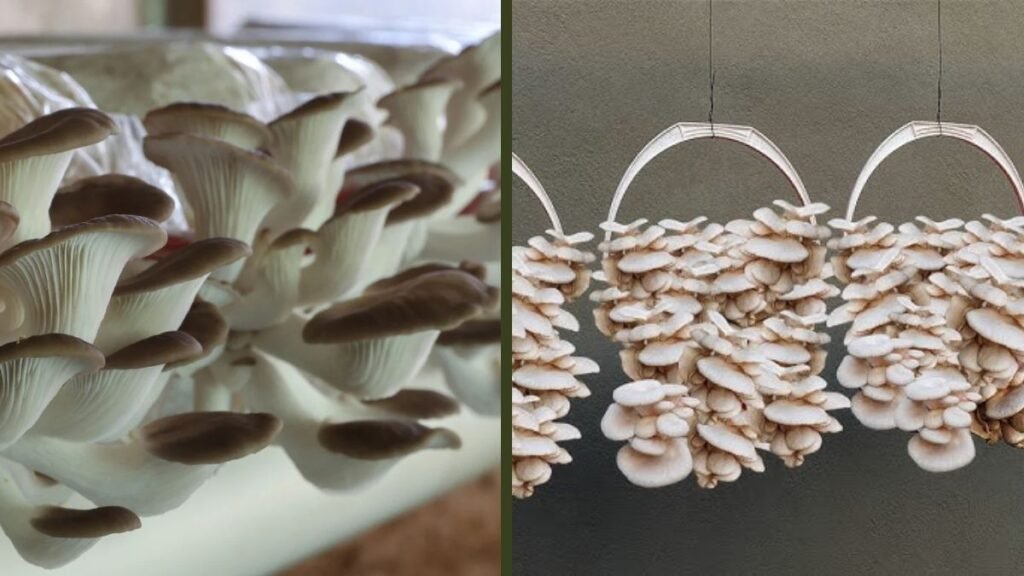
Mushrooms prefer cool, humid conditions. Spray water regularly. Avoid direct sunlight. Maintain steady temperature. Excess heat slows growth. Balanced conditions promote fruiting. Environment control is crucial.
Growth Timeline and Observation
Mycelium spreads within days. White growth appears first. Pinheads form next. Mushrooms mature quickly. Regular observation helps adjust conditions. Growth is fast and rewarding. Understanding timeline improves management.
Watering Techniques
Mist lightly with water. Avoid soaking substrate. Humidity is more important than water. Overwatering causes contamination. Proper misting supports healthy mushrooms. Watering technique affects success.
Harvesting Mushrooms Correctly
Harvest mushrooms before caps flatten. Twist gently to remove. Avoid damaging mycelium. Clean harvesting encourages new growth. Multiple harvests are possible. Proper harvesting extends production.
Post-Harvest Care
Remove leftover stems. Keep substrate clean. Continue misting. Additional flushes may appear. Proper care increases yield. One setup produces multiple harvests.
Common Problems and Solutions
Green mold indicates contamination. Poor airflow causes thin mushrooms. Dry conditions stop growth. Early correction saves crop. Clean practices prevent problems. Learning from mistakes improves success.
Comparison Table: Traditional vs Home Mushroom Growing
| Aspect | Traditional Farming | Home Technique |
|---|---|---|
| Space Required | Large | Very Small |
| Investment | High | Very Low |
| Time to Harvest | Long | Short |
| Control | Limited | Full |
| Beginner Friendly | No | Yes |
Nutritional Benefits of Mushrooms
High in protein. Low in fat. Rich in vitamins. Boost immunity. Ideal for healthy diet. Fresh mushrooms are more nutritious.
Economic Advantages
Low cost setup. Fast returns. Suitable for small families. Extra harvest can be sold. Profitable home activity.
Sustainability and Waste Reduction
Uses agricultural waste. Reduces plastic waste. No chemical use. Promotes eco-friendly living. Sustainable food production.
Expanding Mushroom Production
Experience allows scaling up. Multiple containers increase yield. Same technique applies. Small business potential exists. Growth is scalable.
Conclusion
Growing mushrooms at home is simple, affordable, and rewarding. With the right technique and care, anyone can enjoy fresh mushrooms year-round. This complete guide proves that home mushroom cultivation is practical and highly productive.