Goji berries, often referred to as “superberries,” are celebrated for their impressive nutritional and medicinal properties. Rich in antioxidants, vitamins, and minerals, goji berries are valued for supporting immunity, promoting healthy skin, and boosting overall wellness. While many buy goji berries from stores, it is surprisingly easy and rewarding to grow them at home—even starting from seeds obtained from market-purchased berries. With proper care, these tiny seeds can grow into productive shrubs, providing a sustainable source of fresh, organic goji berries.
Why Grow Goji Berries at Home?
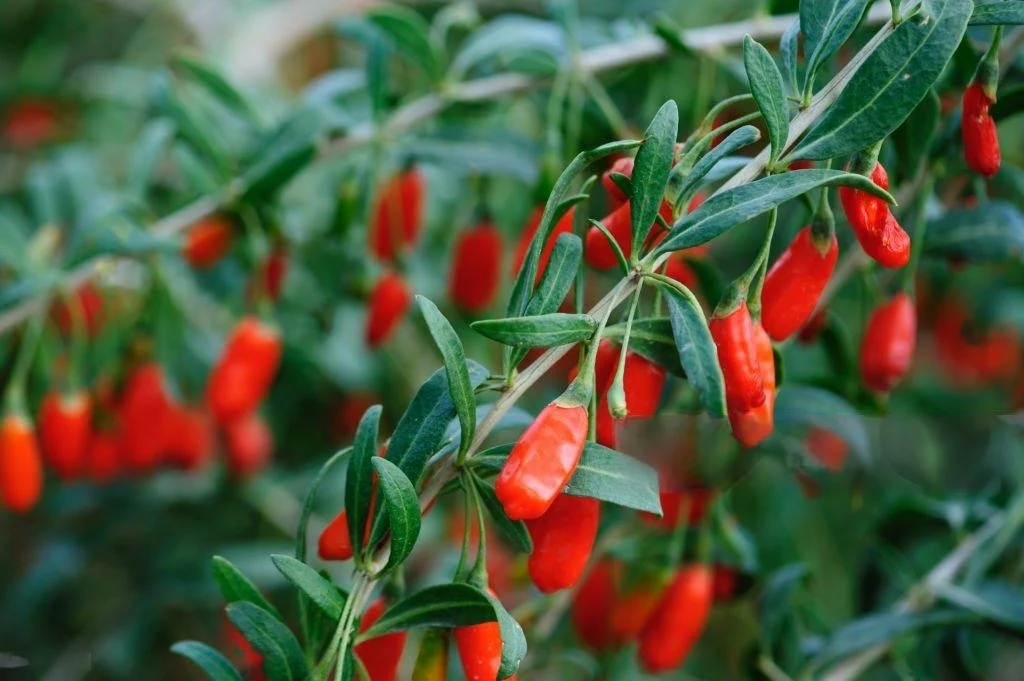
- Freshness and Quality: Homegrown berries are free from pesticides, additives, and preservatives.
- Cost-Effective: Growing your own goji berries reduces reliance on expensive imported fruit.
- Health Benefits: Freshly harvested berries retain higher levels of antioxidants and nutrients.
- Sustainable Gardening: Growing goji berries promotes eco-friendly and self-sufficient gardening.
- Aesthetic Appeal: The bright red berries and lush green foliage add beauty to any garden or balcony.
By sowing goji berries at home, gardeners gain access to a nutritious, versatile fruit while enjoying the satisfaction of growing their own food.
Understanding Goji Berries
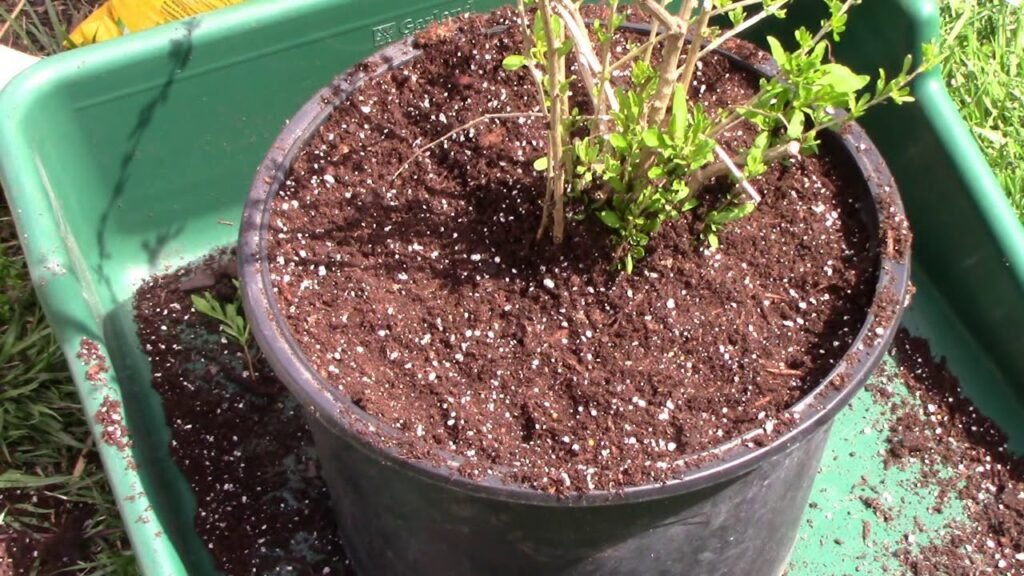
Goji berries (Lycium barbarum) are hardy, perennial shrubs native to Asia. They can thrive in a variety of climates and soil types, making them suitable for home cultivation. Key characteristics include:
- Growth Habit: Woody shrubs that can reach 3–7 feet tall when fully mature.
- Flowering: Small, purple or white flowers appear before fruiting.
- Fruit Production: Berries ripen in summer to fall, with vibrant red color and sweet-tart flavor.
- Nutritional Value: High in vitamins C and A, antioxidants, amino acids, and trace minerals.
Understanding the plant’s biology and growth requirements ensures successful germination and robust growth from market-bought seeds.
Selecting Seeds from Market-Purchased Berries
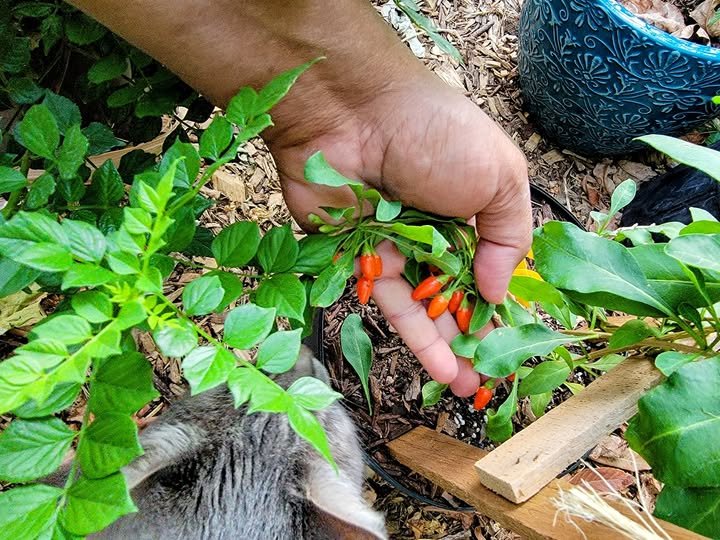
Not all goji berries purchased from the market are suitable for planting. Here’s how to select the best seeds:
- Choose Fresh, Ripe Berries: Fully red, firm, and plump berries are more likely to have viable seeds.
- Avoid Processed Berries: Dried or treated berries may have reduced germination potential.
- Extract Seeds Carefully:
- Cut open the berry and remove seeds using a spoon or small knife.
- Wash seeds gently under running water to remove pulp.
- Drying Seeds: Pat seeds dry with a paper towel and allow them to air-dry for 24 hours. Avoid prolonged drying, which can reduce viability.
Selecting healthy, viable seeds is the first step toward a successful goji berry crop.
Preparing Seeds for Sowing
Goji seeds have a naturally tough outer coating that can benefit from pre-treatment to improve germination:
- Soaking: Soak seeds in warm water for 24–48 hours. This softens the seed coat and accelerates germination.
- Cold Stratification (Optional): For best results, refrigerate soaked seeds for 2–4 weeks. This simulates winter conditions and breaks seed dormancy.
- Scarification (Optional): Lightly nick the seed coat with sandpaper or a knife to allow easier water absorption.
These simple preparations increase germination rates and reduce the time required for seedlings to emerge.
Choosing the Right Growing Medium
Goji berries prefer well-draining, fertile soil. For starting seeds:
- Seed-Starting Mix: Use a light, well-draining mix of peat, vermiculite, and sand. Avoid heavy garden soil that may retain too much moisture.
- Containers: Seed trays, small pots, or biodegradable pots work well. Ensure containers have drainage holes.
- Moisture: Keep the growing medium consistently moist but not soggy. Overwatering can cause seeds to rot.
Proper soil and containers create an ideal environment for germination and early growth.
Sowing Goji Berry Seeds
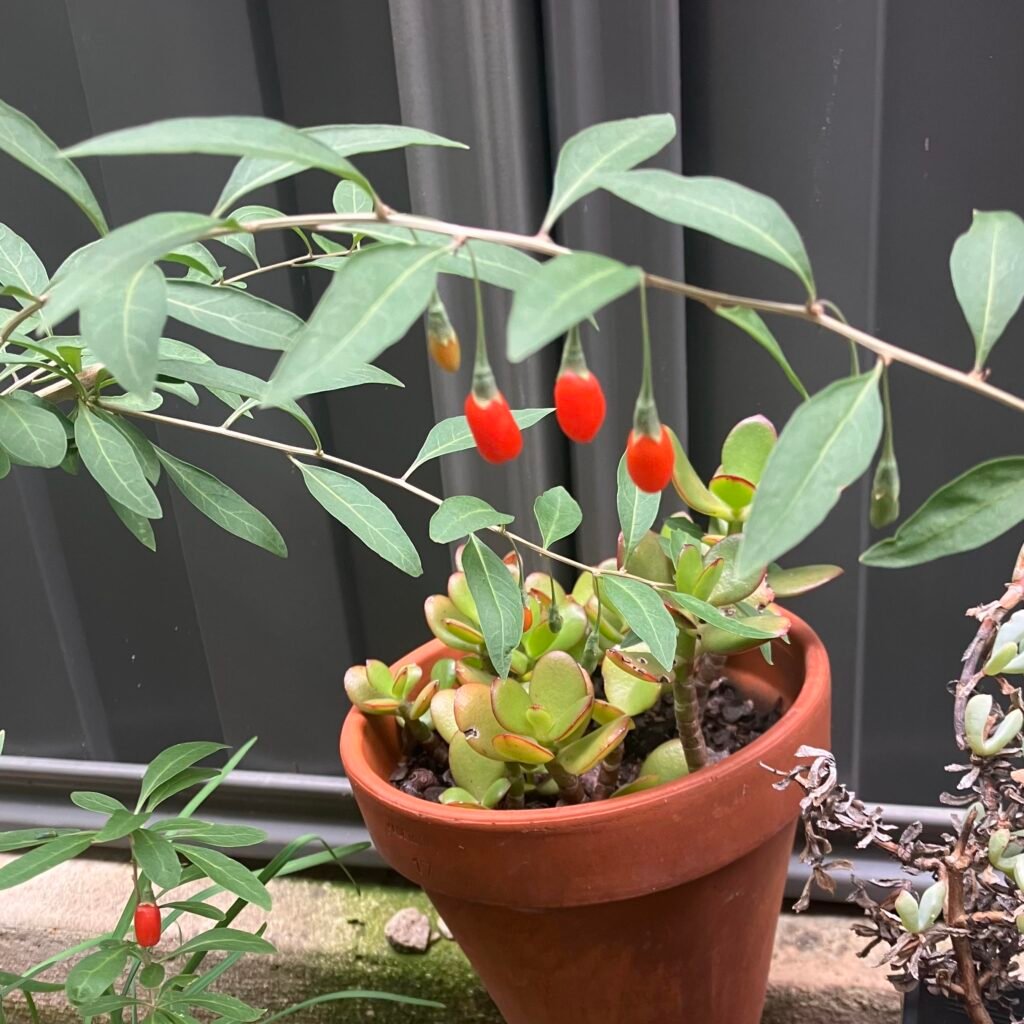
Follow these steps to successfully sow goji seeds:
- Fill Containers: Fill seed trays or pots with seed-starting mix, leaving 0.5–1 inch from the top.
- Plant Seeds:
- Sow seeds on the soil surface or lightly press them 1/8 inch deep.
- Cover lightly with a thin layer of soil or vermiculite.
- Watering: Mist gently with water to moisten soil without displacing seeds.
- Temperature: Maintain a warm environment (20–25°C / 68–77°F) for optimal germination.
- Light: Place containers in a bright location or under grow lights to ensure seedlings receive 12–16 hours of light per day.
Germination typically occurs in 1–3 weeks under ideal conditions. Patience and careful monitoring are key during this stage.
Caring for Goji Seedlings

Once seedlings emerge, proper care is essential for healthy growth:
- Thinning: If multiple seeds sprout in the same container, thin seedlings to avoid overcrowding. Leave the strongest plants.
- Watering: Keep soil moist but not waterlogged. Seedlings are sensitive to both drought and excess moisture.
- Fertilization: Begin feeding seedlings with diluted liquid fertilizer after 4–6 weeks. Organic options like compost tea are ideal.
- Hardening Off: Before transplanting outdoors, gradually acclimate seedlings to sunlight and outdoor conditions over 1–2 weeks.
Healthy seedlings develop strong roots and foliage, preparing them for transplantation and long-term growth.
Transplanting Goji Seedlings
Once seedlings reach 6–8 inches in height with several true leaves, they are ready for transplanting:
- Site Selection: Choose a sunny location with well-draining soil. Goji berries tolerate poor soil but thrive in slightly acidic to neutral soil (pH 6.5–7).
- Spacing: Plant seedlings 2–3 feet apart to allow room for mature shrubs to expand.
- Planting:
- Dig holes slightly larger than the root ball.
- Place seedlings and fill with soil, gently firming around roots.
- Watering: Water thoroughly after planting and maintain consistent moisture during establishment.
- Support: Use stakes or trellises for young plants if needed, especially in windy areas.
Proper transplantation ensures strong root development and prepares plants for fruiting.
Long-Term Care and Maintenance
- Pruning: Prune regularly to remove dead or weak branches, encourage airflow, and stimulate new growth.
- Fertilization: Feed established plants with compost or balanced fertilizer during the growing season.
- Mulching: Apply organic mulch to retain moisture, regulate soil temperature, and reduce weeds.
- Pest and Disease Management: Monitor for aphids, spider mites, and fungal infections. Use eco-friendly control methods like neem oil or insecticidal soap.
- Watering: Maintain regular watering, especially during dry periods, but avoid waterlogging.
Consistent care supports vigorous growth, flower production, and abundant berry harvests.
Harvesting Goji Berries
Goji berries typically produce fruit in the second year of growth:
- Timing: Berries ripen in summer to fall and turn bright red when ready to harvest.
- Method: Gently pluck berries to avoid damaging branches. Harvest every few days as berries ripen gradually.
- Storage: Fresh berries can be consumed immediately, dried, or frozen for long-term use.
Homegrown goji berries are more flavorful and nutritious than store-bought alternatives, rewarding gardeners for their efforts.
Final Thoughts
Growing goji berries from market-purchased seeds is a simple, cost-effective, and rewarding way to enjoy this superfood at home. With proper seed preparation, soil selection, sowing techniques, and ongoing care, even small-space gardeners can cultivate thriving goji berry shrubs.
From germination to harvesting, every stage offers the satisfaction of nurturing a healthy, productive plant while benefiting from fresh, nutrient-rich berries. By following these steps, anyone can transform ordinary market berries into a flourishing, sustainable source of goji berries right in their garden or balcony.