Growing seedlings is one of the most rewarding stages of gardening. Whether you are cultivating vegetables, flowers, or herbs, nurturing seedlings properly ensures strong, vigorous plants ready for transplanting into your garden or containers. Among the most important factors in seedling care are watering and fertilization. Done correctly, these two practices help seedlings develop robust roots, healthy foliage, and higher resistance to pests and diseases. Conversely, improper watering or fertilization can stunt growth, cause nutrient deficiencies, or even kill young plants. This guide provides step-by-step instructions and expert tips on how to fertilize and water seedlings for maximum growth.
Understanding the Needs of Seedlings
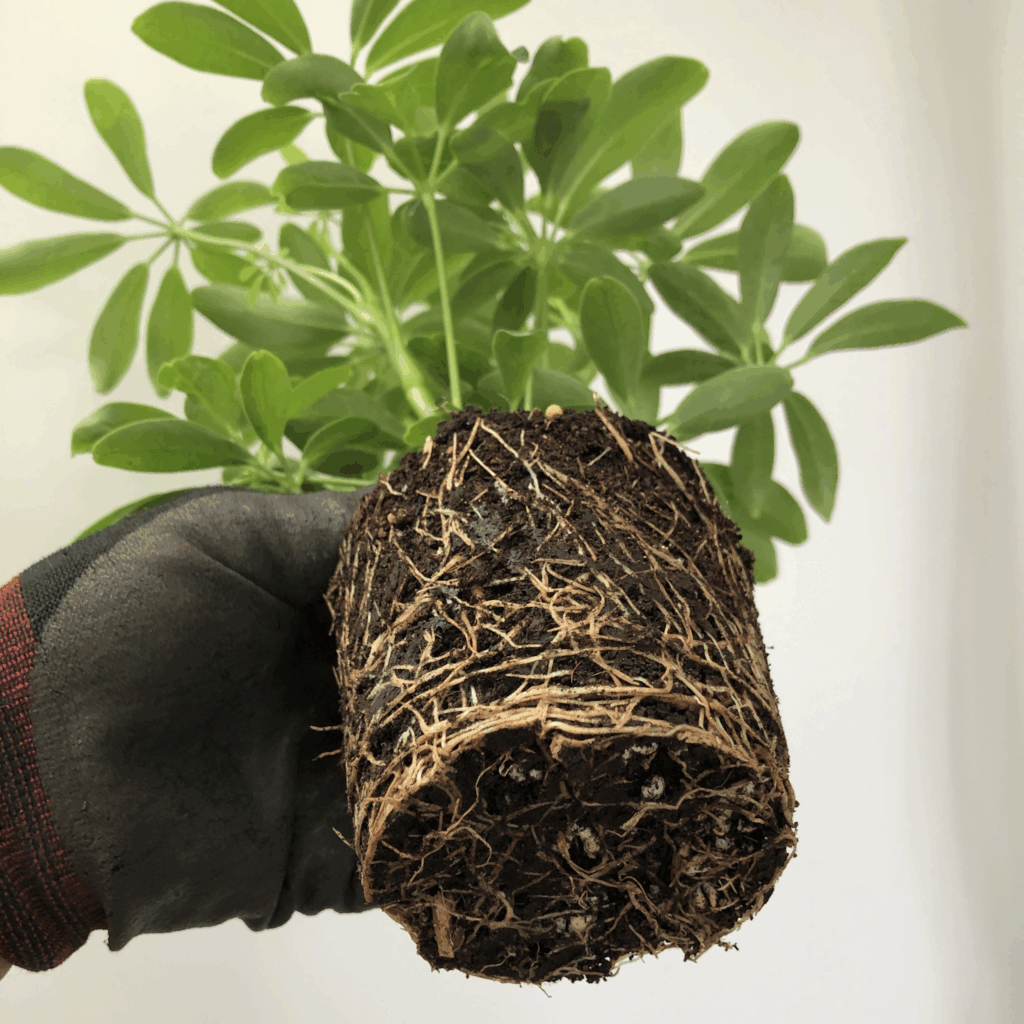
Seedlings are young plants that have just emerged from seeds. Their roots are small and delicate, and their leaves are tender, making them highly sensitive to environmental conditions. Proper care requires understanding their specific needs:
- Water: Seedlings require consistent moisture, but their tiny roots are prone to rot if overwatered.
- Nutrients: While seeds contain initial nutrients for germination, seedlings require additional nutrients as they grow.
- Light and Temperature: Adequate light and stable temperatures support photosynthesis and healthy growth.
Watering and fertilization are particularly critical because they directly affect root development, leaf formation, and overall plant vigor.
Choosing the Right Growing Medium
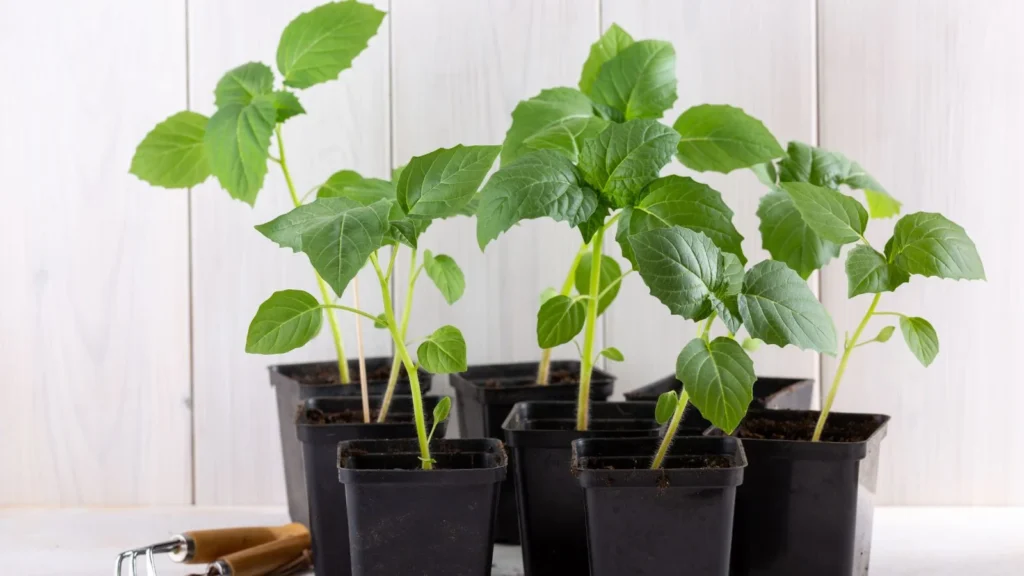
Before discussing watering and fertilization, it’s essential to select the proper growing medium:
- Seed Starting Mix: A light, well-draining medium made from peat moss, cocopeat, vermiculite, or perlite is ideal.
- Avoid Garden Soil: Regular garden soil is too heavy and may contain pathogens that harm delicate seedlings.
- Moisture Retention: The medium should hold moisture without becoming waterlogged.
A suitable growing medium ensures that water and nutrients are available to the seedlings while minimizing the risk of fungal infections or root rot.
Watering Seedlings: Best Practices
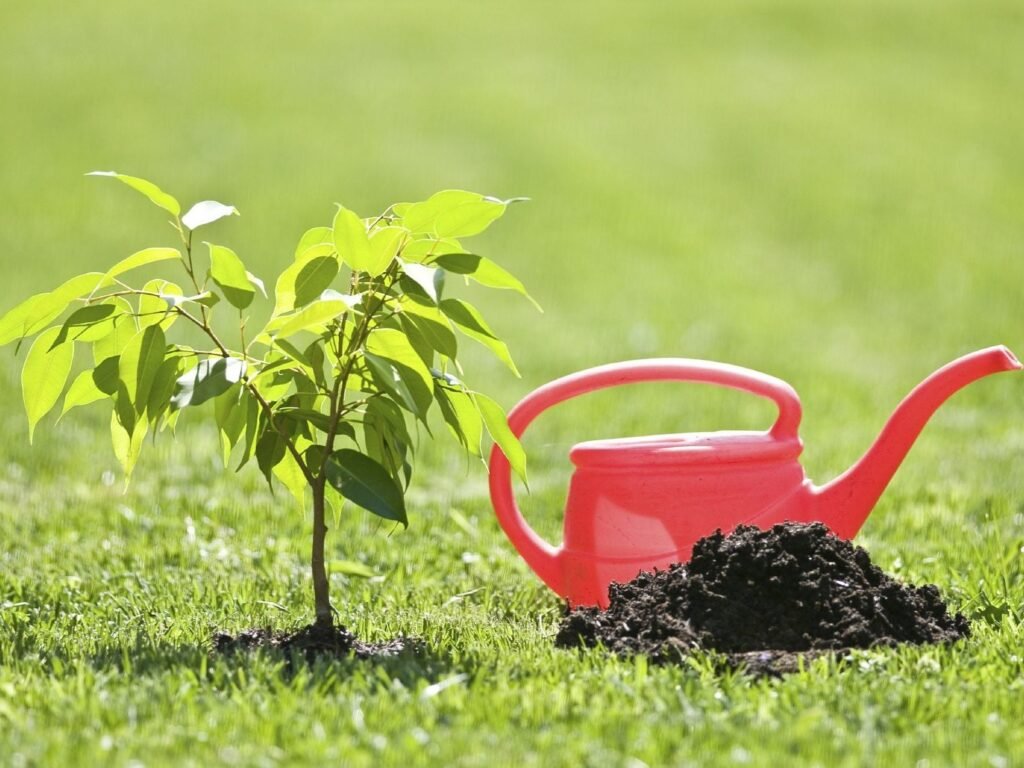
Watering seedlings requires attention to frequency, technique, and water quality:
1. Frequency:
- Water seedlings regularly to keep the soil consistently moist.
- Avoid letting the soil dry completely, which stresses plants.
- Overwatering can suffocate roots and promote fungal diseases like damping-off.
2. Watering Techniques:
- Bottom Watering: Place the seedling tray in a shallow tray of water. The medium absorbs water from below, preventing over-saturation of the leaves.
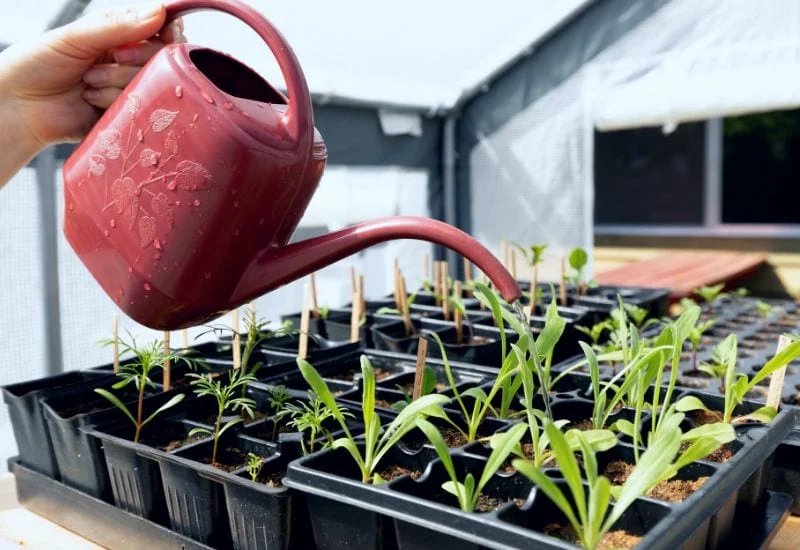
- Top Watering: Use a fine spray or watering can with a spout to gently water seedlings from above. Avoid dislodging young roots or washing away soil.
- Mist Spraying: Use a spray bottle to lightly mist leaves and soil for seedlings in small trays.
3. Water Quality:
- Use room-temperature water to avoid shocking seedlings.
- Rainwater or filtered water is preferred, as tap water with high chlorine or salts may harm tender roots.
4. Signs of Proper Watering:
- Soil remains evenly moist, not soggy.
- Seedlings appear upright, vibrant, and firm.
- No yellowing or wilting of leaves occurs.
By following these watering techniques, seedlings develop strong roots and healthy foliage, essential for successful transplantation.
Fertilizing Seedlings: Why It’s Important
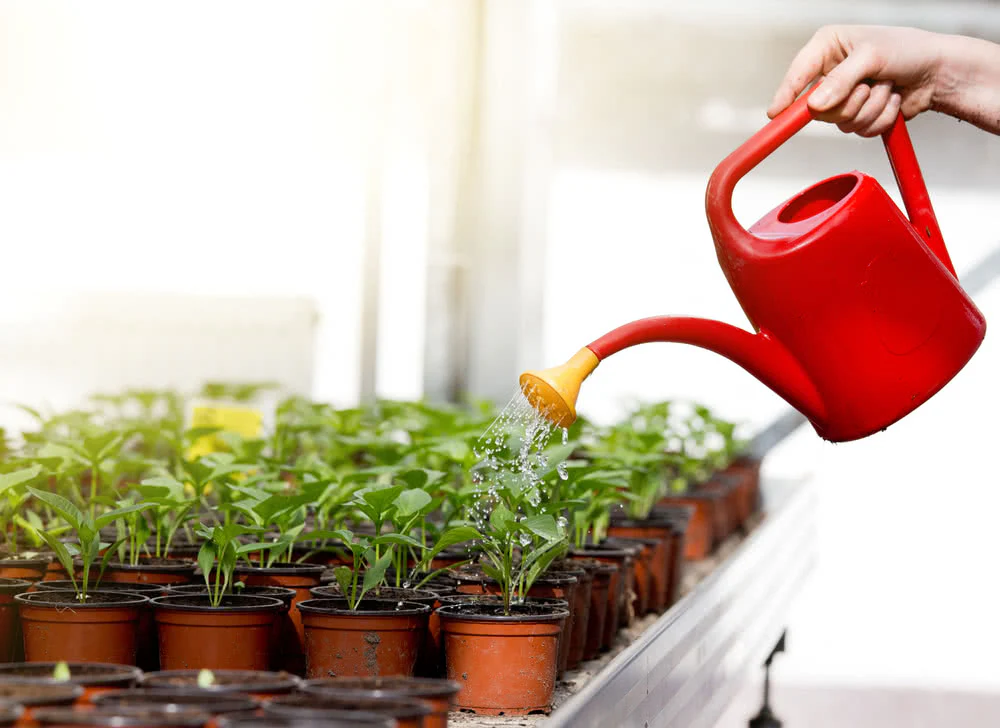
Seedlings use the nutrients stored in the seed for the first 1–3 weeks. Once this supply is exhausted, fertilization becomes crucial to provide nitrogen, phosphorus, potassium, and trace minerals. Proper fertilization:
- Promotes rapid, balanced growth
- Strengthens roots
- Enhances leaf development
- Prepares seedlings for transplantation
However, fertilizing too early or too heavily can damage delicate roots and leaves.
Choosing the Right Fertilizer
Selecting the appropriate fertilizer is key to healthy seedlings:
1. Liquid Fertilizers:
- Water-soluble fertilizers are ideal for seedlings because they are gentle and easy to absorb.
- Dilute fertilizer to ¼–½ of the recommended strength to avoid “burning” young roots.
2. Balanced Nutrients:
- Use fertilizers with balanced ratios of nitrogen (N), phosphorus (P), and potassium (K), e.g., 10-10-10 or 20-20-20.
- Nitrogen promotes leaf growth, phosphorus strengthens roots, and potassium supports overall vigor.
3. Organic Options:
- Compost tea, worm tea, or diluted seaweed extract provides nutrients naturally without harsh chemicals.
- Organic fertilizers also improve soil health and microbial activity.
Choosing the right fertilizer and strength ensures seedlings receive nutrients without risk of over-fertilization.
When to Start Fertilizing Seedlings
- Begin fertilization after seedlings have 2–4 true leaves.
- Avoid fertilizing immediately after germination; young seedlings are too fragile.
- Continue feeding every 1–2 weeks, depending on growth rate and medium fertility.
By starting at the right time, you give seedlings the nutrients they need without causing stress or nutrient burn.
How to Fertilize Seedlings
- Dilution: Prepare a weak fertilizer solution at ¼–½ strength.
- Application:
- Water the seedlings gently with the fertilizer solution, either from above or via bottom watering.
- Avoid pouring fertilizer directly onto leaves to prevent burning.
- Observation: Monitor seedlings for signs of over-fertilization, such as yellow or scorched leaf edges.
- Adjustments: Gradually increase strength as seedlings grow stronger and develop more leaves.
Proper application ensures steady, healthy growth without damaging delicate plants.
Signs Your Seedlings Need Water or Fertilizer
Water Deficiency:
- Wilting, drooping leaves
- Dry soil that pulls away from container edges
- Slow growth
Overwatering:
- Yellowing or mushy leaves
- Mold or fungal growth on soil surface
- Rotting roots
Nutrient Deficiency:
- Pale or yellow leaves (nitrogen deficiency)
- Poor root growth or stunted seedlings
- Purple or discolored leaves (phosphorus deficiency)
Observing your seedlings closely allows you to adjust watering and fertilization to maintain optimal growth conditions.
Additional Tips for Thriving Seedlings
- Temperature: Maintain 18–24°C (65–75°F) for most seedlings.
- Light: Provide 12–16 hours of light daily using grow lights or a sunny windowsill.
- Air Circulation: Use gentle airflow to reduce fungal disease and strengthen stems.
- Thinning: Remove weaker seedlings to reduce competition for nutrients and water.
- Transplant Preparation: Gradually reduce watering and harden off seedlings before transplanting outdoors.
Healthy seedlings are more likely to survive transplanting and thrive in the garden.
Common Mistakes to Avoid
- Overwatering: Leads to root rot and fungal diseases.
- Underwatering: Causes wilting and weak growth.
- Fertilizing Too Early: Can burn delicate roots and damage leaves.
- Using Undiluted Fertilizer: Excess nutrients stress seedlings.
- Poor Light or Temperature: Weak, leggy seedlings result from insufficient light or extreme temperatures.
Avoiding these mistakes ensures seedlings remain strong, healthy, and ready for transplanting.
Final Thoughts
Watering and fertilizing seedlings are two of the most critical aspects of early plant care. Proper techniques ensure strong root development, healthy foliage, and a higher survival rate after transplanting. By providing consistent moisture, gentle fertilization, and the right environmental conditions, gardeners can grow robust seedlings that develop into productive, beautiful plants.
Whether you are growing vegetables, herbs, or flowers, mastering the art of watering and fertilization lays the foundation for a thriving garden. With patience, attention, and care, even novice gardeners can nurture seedlings into healthy, high-yielding plants.