Basil is one of the most popular and versatile herbs in the kitchen. From aromatic pesto to flavorful salads and teas, fresh basil leaves add an unmistakable taste and fragrance to dishes. While many gardeners grow basil from seeds or seedlings, a revolutionary method called the Biopecera technique allows you to root even a single basil leaf in water, creating a fast, simple, and highly effective way to propagate this aromatic herb. This method is perfect for home gardeners, urban growers, and anyone looking to expand their basil collection without buying more plants.
Why Propagate Basil from Leaves?
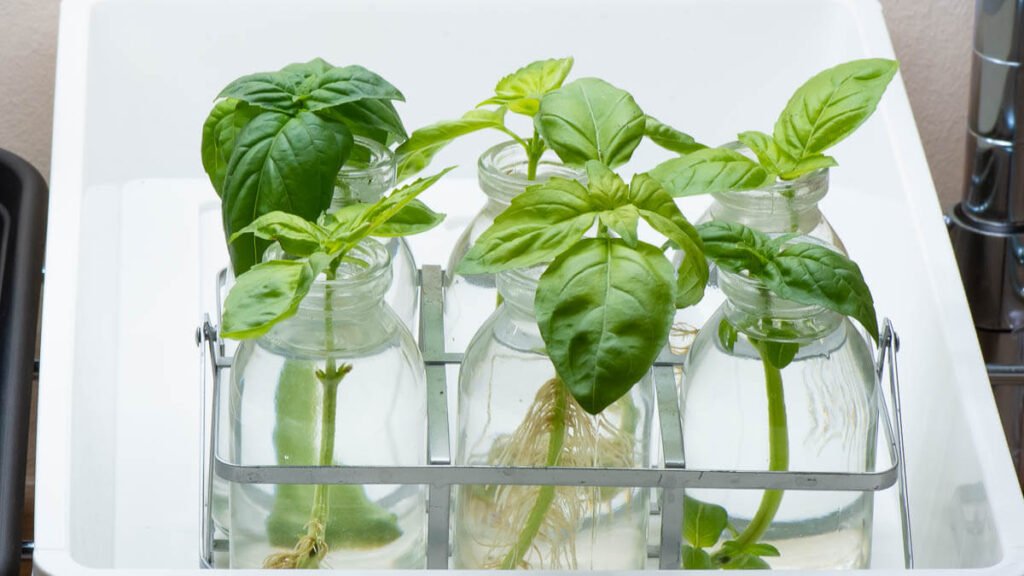
Propagation from leaves is a game-changer for several reasons:
- Cost-Effective: No need to buy seeds or seedlings—just use leaves from an existing plant.
- Quick Growth: Rooting in water promotes faster development compared to traditional soil propagation.
- Space-Efficient: Perfect for indoor gardens or small balconies where space is limited.
- Easy Monitoring: You can watch roots grow in water, making it easier to manage propagation.
- Sustainable Gardening: Reduces plant waste by utilizing leaves that might otherwise be discarded.
The Biopecera technique takes leaf propagation to the next level, combining simplicity, efficiency, and sustainability.
Understanding the Biopecera Technique
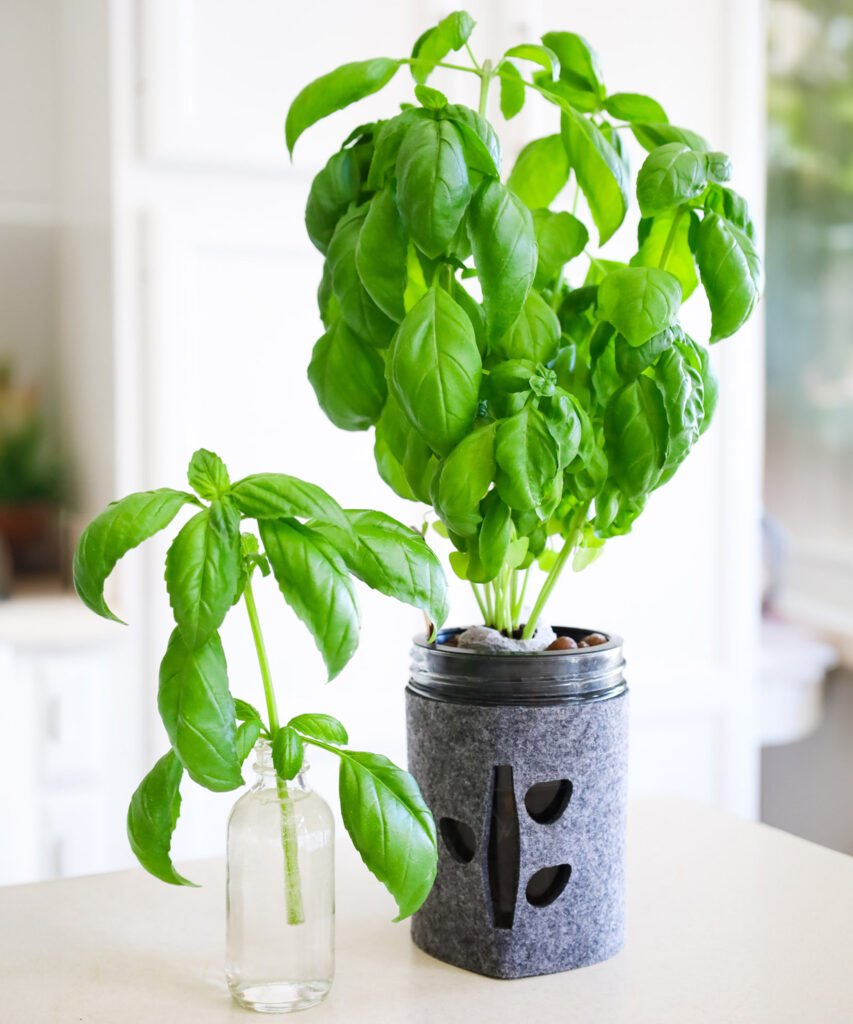
The Biopecera technique is a scientifically-backed method for propagating plants in water. Unlike traditional methods that require soil and specific conditions, Biopecera relies on a carefully balanced water environment enriched with bioactive nutrients that accelerate rooting and plant development.
Key Benefits of the Biopecera Method:
- Promotes faster root growth
- Reduces risk of fungal infection and leaf rot
- Can be applied to a single leaf without the need for the entire stem
- Environmentally friendly and chemical-free
This method is particularly suited for aromatic herbs like basil, which root readily in water but often require proper care to thrive.
Step-by-Step Guide to Rooting Basil Leaves in Water
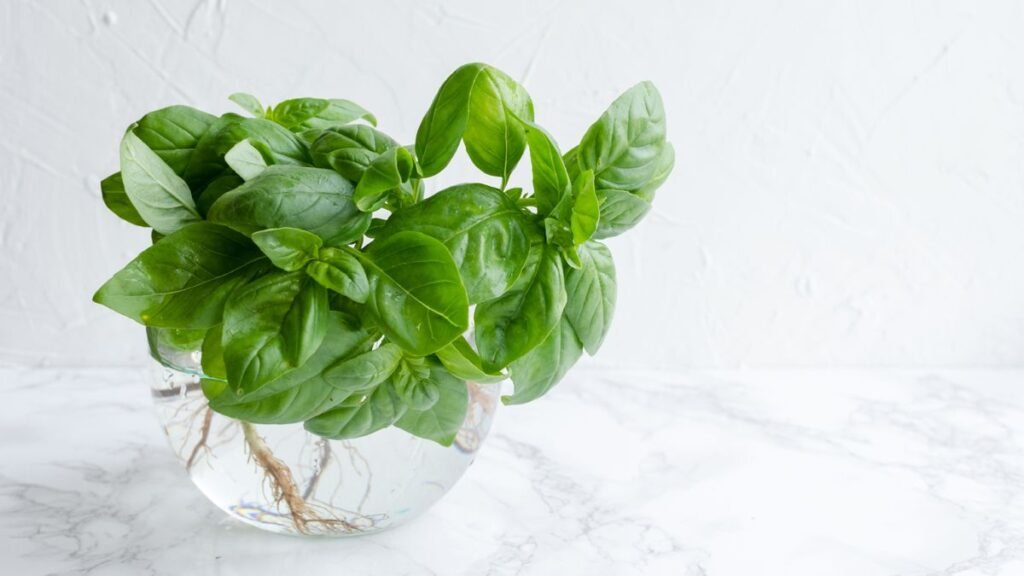
Step 1: Selecting the Leaf
The first step is to choose a healthy basil leaf:
- Size: Select a fully grown, healthy leaf that is free of damage or disease.
- Color: Look for vibrant green leaves; avoid yellowing or browning leaves.
- Source: Leaves from a robust, mature plant are ideal for rooting.
Healthy leaves are critical for successful propagation because they contain the necessary energy reserves for root development.
Step 2: Preparing the Leaf
Proper preparation increases the chances of successful rooting:
- Clean the Leaf: Gently rinse the leaf with water to remove dust or pests.
- Optional Cut: You can cut the leaf with a small petiole (the little stem connecting the leaf to the main plant) to improve rooting. Basil leaves with a short petiole generally root faster.
Avoid damaging the leaf during preparation, as any cuts or bruises can cause rot or infection.
Step 3: Choosing the Right Water Container
The choice of container is important for root development:
- Use a clean glass, jar, or small vase that allows you to monitor root growth.
- Ensure it is deep enough to submerge the leaf petiole in water without drowning the leaf blade.
- Clear containers help you observe root progress and water clarity.
A proper container ensures the leaf remains stable and receives adequate oxygen while rooting.
Step 4: Using Biopecera Nutrient Solution
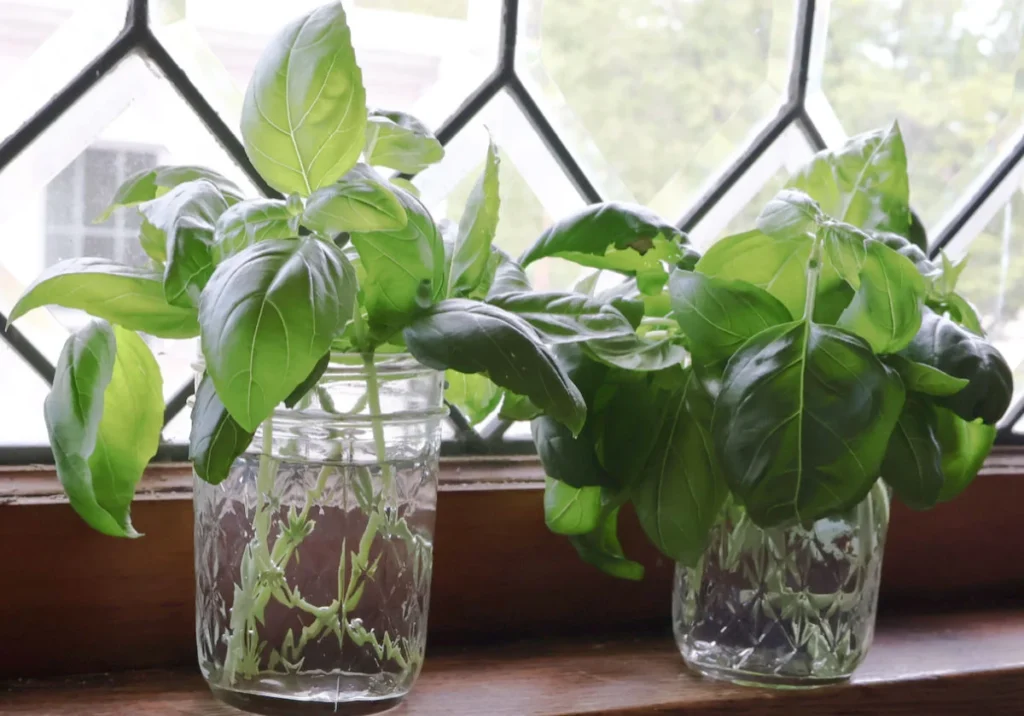
Biopecera involves adding a bioactive nutrient solution to water, which promotes rooting:
- Fill the container with water and add a few drops of Biopecera solution according to instructions.
- The solution provides essential minerals, trace elements, and natural growth stimulants to encourage root formation.
- Ensure the water is fresh, clean, and free of chlorine.
This solution enhances rooting speed and increases the likelihood of successful plant development.
Step 5: Placing the Leaf in Water
- Submerge only the petiole or the bottom part of the leaf in water. Avoid immersing the entire leaf, as this can cause decay.
- Support the leaf by placing it upright using small clips or by resting it on the rim of the container.
Correct placement ensures oxygen access to the leaf blade and stimulates root growth from the submerged portion.
Step 6: Maintaining Ideal Conditions
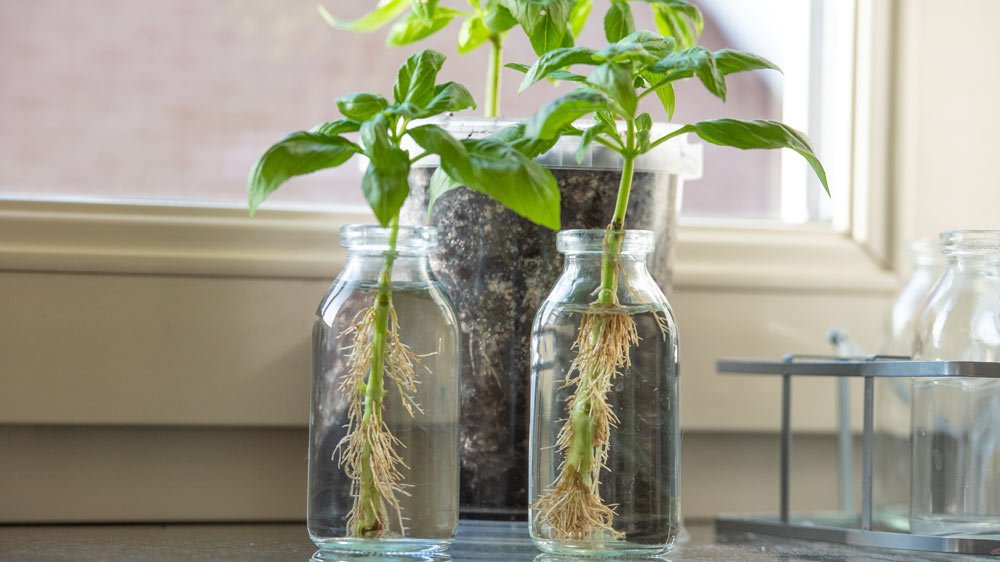
To maximize rooting success:
- Light: Place the container in bright, indirect sunlight. Direct sun can scorch the leaf, while insufficient light slows rooting.
- Temperature: Maintain a warm environment, ideally 20–25°C (68–77°F).
- Water Quality: Change the water every 3–4 days to prevent stagnation and bacterial growth.
- Observation: Watch for small roots forming at the petiole. Rooting usually begins within 7–14 days.
Maintaining proper environmental conditions ensures healthy roots and reduces the risk of failure.
Step 7: Transplanting Rooted Leaves
Once roots are 2–3 inches long, the leaf is ready for transplanting into soil or a hydroponic system:
- Choose the Growing Medium: Use well-draining potting soil or a hydroponic substrate.
- Plant Carefully: Gently insert the rooted petiole into soil, keeping the leaf above the surface.
- Water Lightly: Water the newly transplanted plant to help roots adjust.
- Acclimation: Gradually expose the plant to more sunlight over a few days to strengthen it.
Transplanting correctly ensures that the leaf develops into a full, productive basil plant.
Advantages of Leaf Propagation with Biopecera
- Rapid Multiplication: A single plant can produce numerous new plants from leaves.
- Minimal Equipment: Requires only water, a container, and Biopecera solution.
- Reduced Disease Risk: Avoids soil-borne pathogens common in traditional propagation.
- Indoor-Friendly: Ideal for urban gardeners with limited space.
- Sustainability: Utilizes existing plant material efficiently.
This technique allows gardeners to multiply basil plants quickly and efficiently without extensive gardening resources.
Tips for Maximizing Success
- Always select healthy, undamaged leaves.
- Keep the water clean and change it regularly.
- Use indirect sunlight to prevent leaf stress.
- Be patient—some leaves may take slightly longer to root.
- Once rooted, care for the new plants with proper watering, sunlight, and fertilization to ensure continued growth.
These tips help ensure a high success rate and a continuous supply of fresh basil plants.
Applications and Uses
Rooted basil plants can be used in multiple ways:
- Kitchen Gardens: Provide fresh herbs for cooking.
- Gifts: Propagated plants make thoughtful, eco-friendly gifts.
- Indoor Gardening: Basil thrives in pots on windowsills or balconies.
- Educational Purposes: Leaf propagation demonstrates plant biology and growth processes for students or beginners.
By rooting basil leaves using the Biopecera technique, gardeners can enjoy both practical and aesthetic benefits.
Final Thoughts
The Biopecera technique revolutionizes basil propagation, making it possible to grow new plants from a single leaf in water. This simple, cost-effective, and environmentally friendly method allows gardeners to multiply their basil supply without seeds or soil, ensuring a steady supply of fresh herbs year-round.
By following the step-by-step process—selecting healthy leaves, preparing them carefully, using Biopecera nutrient solution, and maintaining ideal conditions—you can achieve rapid rooting and successfully transplant healthy basil plants. This technique is ideal for home gardeners, small-space growers, and anyone looking to enjoy fresh, aromatic basil while practicing sustainable gardening.
With patience and attention to detail, a single basil leaf can become a thriving plant, providing fresh leaves for culinary delights, teas, and herbal remedies—all while showcasing the incredible potential of water propagation and Biopecera technology.