Kiwi, also known as the “Chinese gooseberry,” is a nutrient-rich fruit famous for its vibrant green flesh, tangy-sweet flavor, and impressive vitamin content. Growing kiwi at home from seeds is not only a fun and rewarding gardening project but also a sustainable way to enjoy fresh, organic fruit. While many people assume growing kiwi requires a large orchard, it is entirely possible to cultivate kiwi plants in pots or small gardens with proper care and guidance. This step-by-step guide will walk you through the process of growing kiwi from seeds extracted from fresh fruit, ensuring a strong, healthy plant and, eventually, delicious fruit.
Why Grow Kiwi at Home?
Growing kiwi at home offers multiple benefits:
- Fresh and Organic: Homegrown kiwi is free from pesticides, chemicals, and preservatives.
- Cost-Effective: Save money by propagating kiwi from fruit seeds rather than buying seedlings.
- Nutritional Benefits: Kiwis are packed with vitamins C and K, fiber, and antioxidants.
- Gardening Enjoyment: Cultivating kiwi from seed is a rewarding and educational experience.
- Space Flexibility: Kiwi plants can be grown in large pots or trained along trellises for small-space gardens.
By growing kiwi at home, you gain control over the cultivation process and enjoy the satisfaction of harvesting fruit you nurtured from seed.
Understanding Kiwi Plants
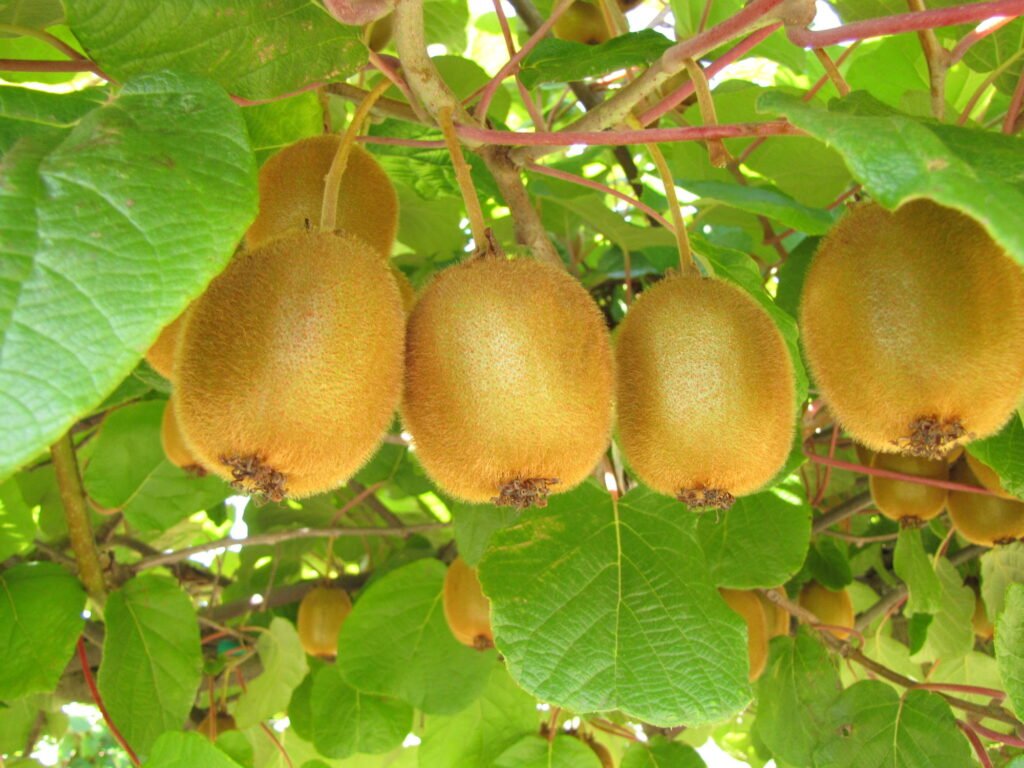
Kiwi plants (Actinidia deliciosa) are climbing vines that can grow vigorously if provided with proper support and care. Key characteristics include:
- Growth Habit: Woody, deciduous vines that require a trellis or support structure.
- Leaves: Large, heart-shaped, and bright green, providing excellent coverage for vertical gardening.
- Flowering: Kiwi plants produce small, fragrant white flowers in spring or early summer.
- Pollination: Most kiwi varieties require both male and female plants for fruiting. Male flowers produce pollen, while female flowers develop into fruit.
- Fruit: Kiwis are harvested in late summer to fall and require several years to mature from seed to fruit-bearing plants.
Understanding these characteristics helps gardeners plan proper care, spacing, and pollination requirements for successful cultivation.
Selecting Seeds from Kiwi Fruit
The first step in growing kiwi from seed is to select high-quality fruit and extract viable seeds:
- Choose Ripe Fruit: Select a ripe, juicy kiwi with firm flesh. Avoid overripe or mushy fruit.
- Extract Seeds:
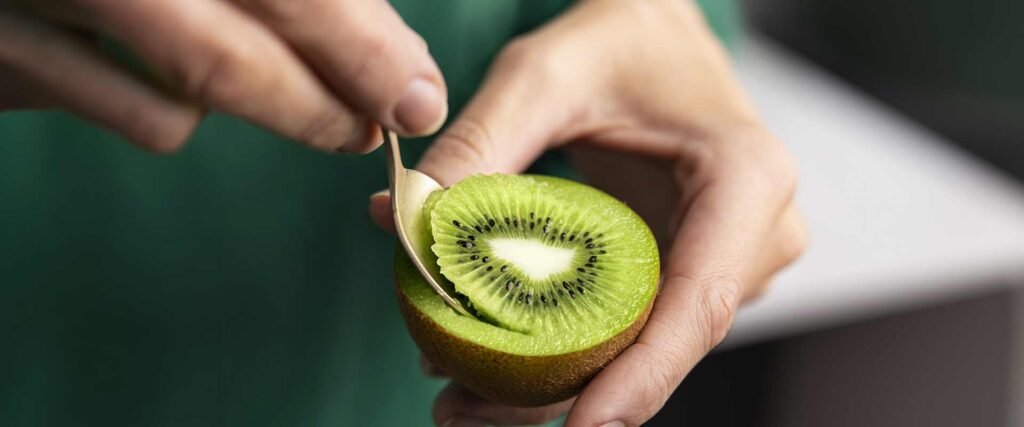
- Cut the kiwi in half and scoop out the seeds with a spoon.
- Place the seeds in a fine sieve and rinse them under running water to remove the pulp.
- Drying Seeds: Spread the seeds on a paper towel and allow them to air dry for 24–48 hours. Avoid prolonged drying, which may reduce germination rates.
High-quality seeds from ripe fruit are essential for successful germination and healthy plant development.
Preparing Kiwi Seeds for Germination
Kiwi seeds have a hard outer coating that benefits from pre-treatment to improve germination:
- Cold Stratification (Optional but Recommended):
- Place seeds in a damp paper towel inside a plastic bag.
- Refrigerate for 2–4 weeks. This simulates winter conditions and breaks seed dormancy.
- Scarification (Optional): Lightly rub seeds with sandpaper to improve water absorption.
- Soaking: Soak seeds in lukewarm water for 24 hours before planting to accelerate germination.
These preparation steps increase the likelihood of rapid germination and robust seedlings.
Choosing the Right Growing Medium
Kiwi seedlings thrive in a well-draining, fertile growing medium:
- Seed-Starting Mix: Use a light mix of peat moss, vermiculite, and perlite.
- Containers: Seed trays, small pots, or biodegradable pots work well. Ensure proper drainage.
- Moisture Retention: The medium should hold moisture without becoming soggy.
A proper growing medium provides seedlings with nutrients, moisture, and aeration for healthy root development.
Sowing Kiwi Seeds
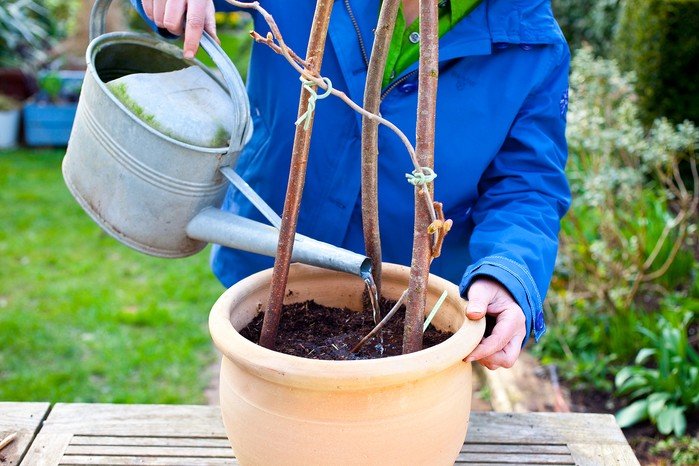
Follow these steps to sow kiwi seeds successfully:
- Fill Containers: Fill trays or pots with seed-starting mix, leaving 0.5–1 inch from the top.
- Plant Seeds:
- Sow seeds on the soil surface or press lightly into the soil, covering them with 1/8 inch of soil.
- Ensure seeds are spaced to avoid overcrowding.
- Watering: Mist the soil lightly to moisten without washing seeds away.
- Temperature and Light: Maintain a warm environment (20–25°C / 68–77°F) with bright, indirect sunlight.
- Germination Time: Kiwi seeds usually germinate within 2–4 weeks. Be patient and maintain consistent moisture.
Careful planting and optimal conditions are essential for healthy seedlings.
Caring for Kiwi Seedlings
Once seedlings emerge, proper care ensures vigorous growth:
- Thinning: Remove weaker seedlings to allow stronger plants room to grow.
- Watering: Keep the soil consistently moist but not waterlogged.
- Fertilization: Use a diluted liquid fertilizer every 2–3 weeks to provide essential nutrients.
- Light: Provide 12–16 hours of bright, indirect light for strong, compact growth.
- Air Circulation: Ensure gentle airflow to prevent fungal diseases and strengthen stems.
Healthy seedlings develop strong roots and foliage, preparing them for transplantation and long-term growth.
Transplanting Kiwi Seedlings
After seedlings develop several true leaves and are large enough to handle, they can be transplanted:
- Site Selection: Choose a sunny location with well-draining soil. Kiwi plants prefer slightly acidic to neutral soil (pH 6–7).
- Spacing: Space plants 8–10 feet apart for vines to spread, or plant in large pots with trellises for vertical growth.
- Planting:
- Dig a hole slightly larger than the root ball.
- Place the seedling and fill with soil, gently firming around the roots.
- Watering: Water thoroughly after planting to help roots establish.
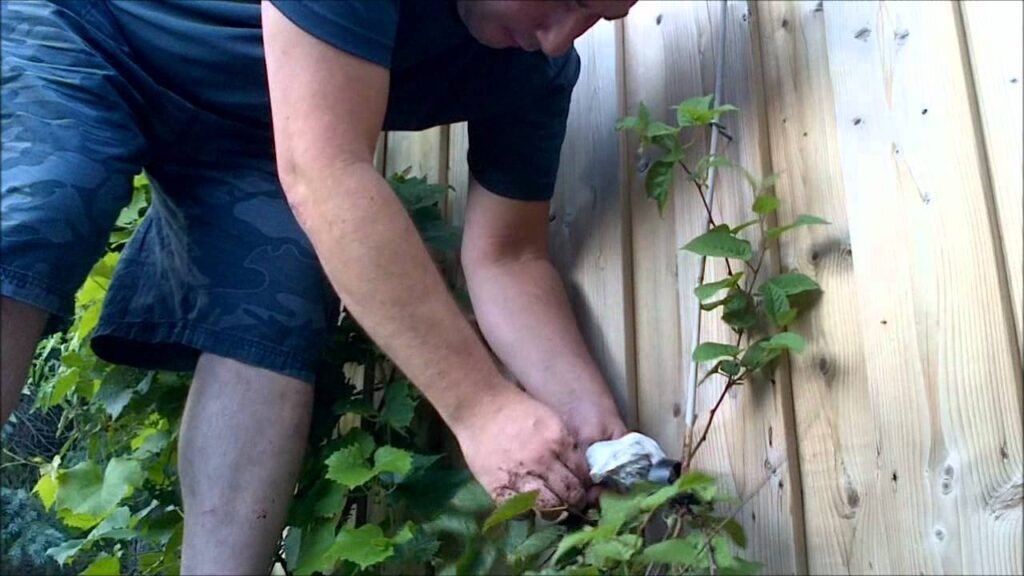
- Support: Provide a trellis, stake, or pergola for climbing growth.
Proper transplantation sets the stage for strong vine development and future fruiting.
Long-Term Care for Kiwi Plants
- Pruning: Regularly prune to remove weak or crowded branches, improve air circulation, and encourage flowering.
- Fertilization: Apply balanced fertilizer in spring and summer to support growth and fruit production.
- Mulching: Use organic mulch to retain moisture, reduce weeds, and regulate soil temperature.
- Pest and Disease Control: Monitor for aphids, scale insects, and fungal diseases. Use organic treatments like neem oil when necessary.
- Watering: Kiwi plants require deep, regular watering, especially during dry periods. Avoid waterlogging, which can damage roots.
Consistent care ensures robust vine growth and higher fruit yields.
Pollination and Fruiting
- Most kiwi varieties are dioecious, meaning they have separate male and female plants. One male plant can pollinate up to 6–8 female plants.
- Flowers bloom in late spring to early summer. Ensure insects or manual pollination assist in fertilizing flowers.
- Fruit matures 3–5 years after planting from seed. Patience is key, but the reward is fresh, homegrown kiwi.
Understanding pollination requirements is essential for successful fruit production.
Tips for Success
- Start multiple seeds to increase the likelihood of strong, productive plants.
- Maintain consistent moisture and avoid sudden temperature changes.
- Use pots with trellises if garden space is limited.
- Rotate male and female plants for proper pollination.
- Be patient—seed-grown kiwis take longer to fruit than grafted plants but are highly rewarding.
With careful attention to care, growing kiwi from seeds becomes a fulfilling and productive endeavor.
Final Thoughts
Growing kiwi from seeds at home is a satisfying and educational gardening project. By selecting high-quality fruit, preparing seeds properly, providing optimal soil, and offering consistent care, gardeners can nurture strong seedlings that eventually develop into productive vines. While seed-grown kiwis take several years to fruit, the process provides valuable experience in plant propagation and gardening patience.
With proper planning, care, and a little patience, you can enjoy fresh, organic kiwi fruit from your home garden—a delicious and healthy reward for your efforts. Growing kiwi from seeds is not only a cost-effective and sustainable method but also a gateway to exploring creative gardening techniques, vertical planting, and the joys of homegrown fruit.