Autumn is a critical season for strawberry plants. While summer may have brought a bountiful harvest of sweet, juicy berries, fall is the time to prepare your plants for the next growing season. Proper autumn care ensures strong roots, healthy foliage, and abundant fruit in the following year. Key aspects of autumn strawberry care include renewing the substrate, pruning leaves, and controlling ants and other pests. With careful attention, your strawberry plants can thrive year-round, producing delicious berries and remaining healthy for multiple seasons.
Why Autumn Care Is Essential
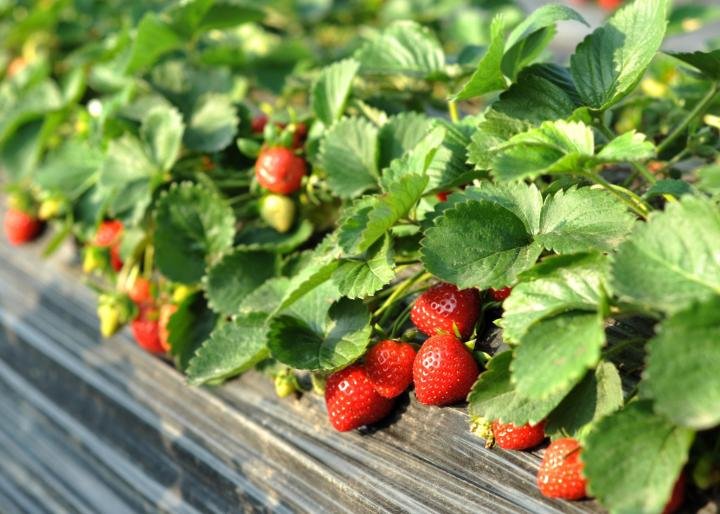
Strawberries are perennial plants, which means they can produce fruit for several years. However, their productivity declines if plants are not properly maintained after the summer harvest. Autumn care:
- Prepares Plants for Winter: Strengthens roots and protects plants from frost.
- Prevents Disease: Removing old leaves reduces fungal infections and bacterial buildup.
- Supports Next Year’s Yield: Nutrient-rich substrate and proper pruning ensure vigorous growth.
- Pest Management: Early intervention prevents pests like ants, aphids, and slugs from damaging the plants.
Autumn care is an investment in next year’s harvest, allowing strawberry plants to rejuvenate and flourish.
Step 1: Renewing the Substrate
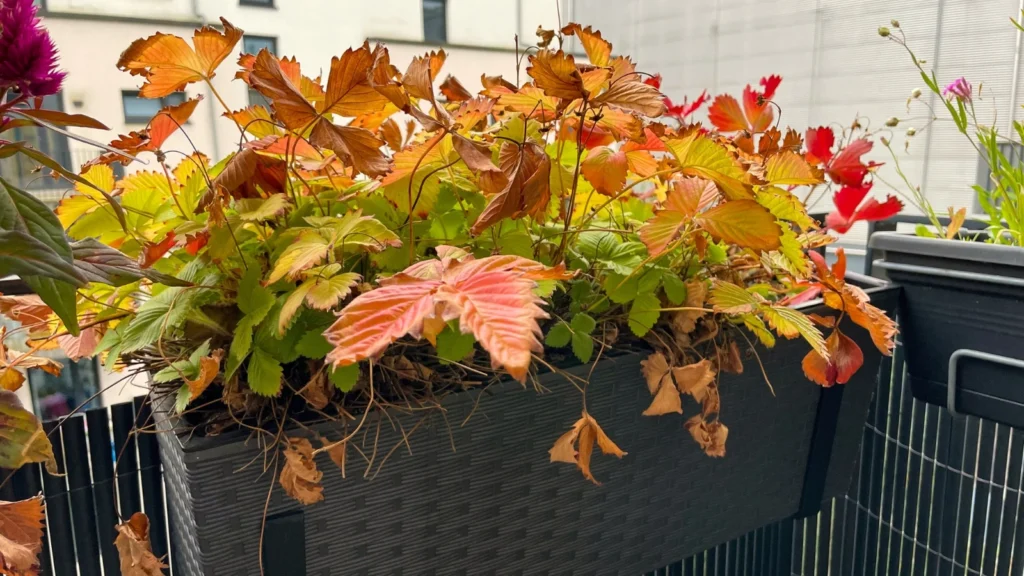
The substrate—or soil medium—is crucial for strawberry health. After several months of fruiting, the substrate can become compacted, depleted of nutrients, and infested with pathogens. Renewing the substrate in autumn provides fresh nutrients and encourages strong root development.
How to Renew the Substrate:
- Remove Old Mulch: Clear away straw, leaves, or other mulch materials that may harbor pests or fungi.
- Loosen the Soil: Gently loosen the soil around the base of the plants to improve aeration.
- Add Fresh Substrate:
- Use a mixture of compost, peat, and well-draining garden soil.
- Add organic fertilizers like worm castings, bone meal, or balanced NPK fertilizer to replenish nutrients.
- Layering: Apply a 2–3 cm layer of fresh substrate around each plant, being careful not to bury the crown.
- Watering: Water thoroughly to help the substrate settle around the roots and prevent transplant shock if replanting is needed.
Renewing the substrate enhances root health, provides essential nutrients, and prepares plants for winter dormancy.
Step 2: Pruning Strawberry Leaves
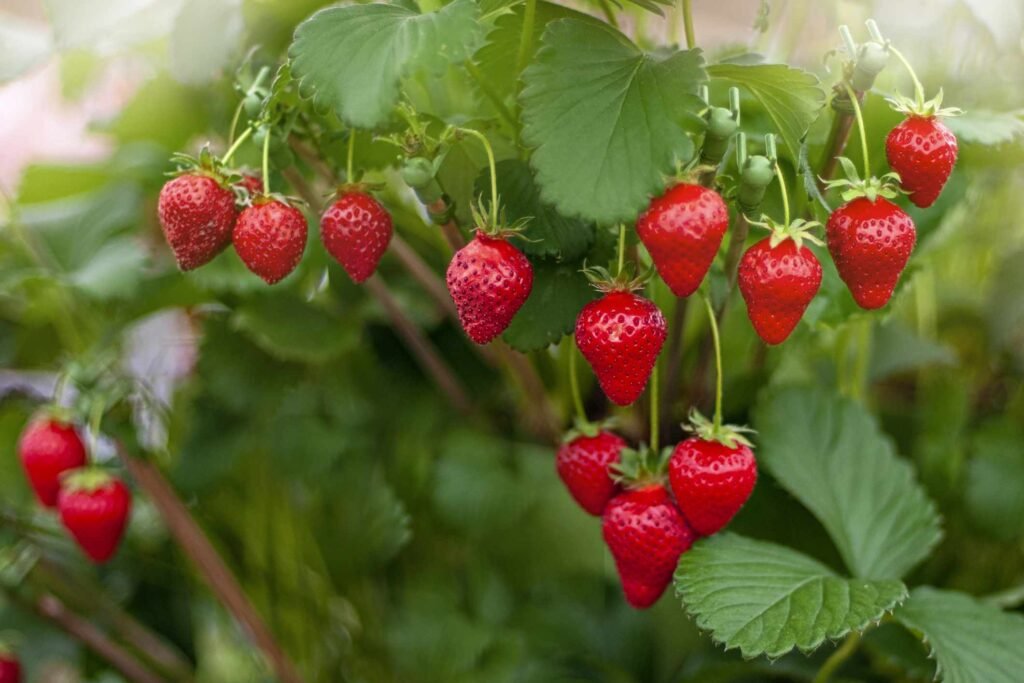
Pruning strawberry leaves in autumn is vital for plant health. Old and damaged leaves can harbor pests and diseases, which weaken the plants and reduce next year’s yield.
Pruning Guidelines:
- Identify Leaves to Remove:
- Yellowed, brown, or dried leaves
- Leaves showing signs of fungal infection or pest damage
- Leaves that are overcrowding the crown
- Tools: Use clean, sharp scissors or pruning shears to avoid damaging healthy leaves.
- Technique:
- Cut leaves close to the base of the plant but leave the crown intact.
- Remove only damaged foliage while leaving healthy leaves for photosynthesis.
- After Pruning:
- Dispose of pruned leaves away from the garden to prevent spreading pests and diseases.
- Optionally, lightly fertilize the plants after pruning to support recovery and root growth.
Pruning reduces disease risk, improves airflow around plants, and stimulates the development of strong new leaves in spring.
Step 3: Controlling Ants and Other Pests
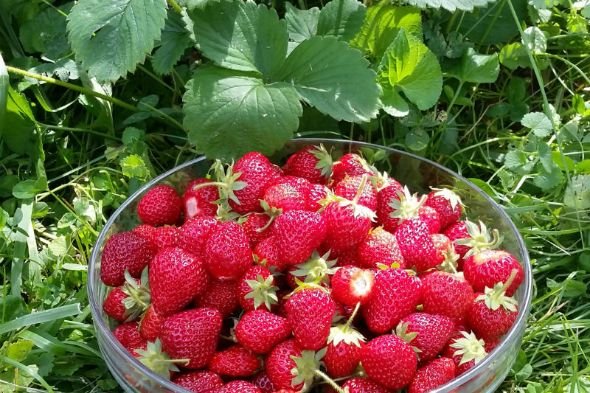
Autumn is also a critical time to control ants, which can damage strawberry plants directly or protect harmful insects like aphids. Other pests such as slugs, spider mites, and aphids can also harm plants during this season.
Ant Control Methods:
- Identify Ant Trails: Look for ant colonies near the plants. Ants often farm aphids for honeydew, so controlling ants can also reduce aphid populations.
- Physical Barriers: Apply a sticky barrier or horticultural tape around pots or raised beds.
- Natural Repellents:
- Sprinkle diatomaceous earth around the base of plants.
- Use crushed cinnamon, coffee grounds, or citrus peels to deter ants.
- Biological Control: Introduce beneficial insects like ladybugs to manage aphids, which in turn reduces ant activity.
Other Pest Management Tips:
- Slugs: Handpick or use beer traps to reduce slug populations.
- Aphids: Spray with diluted neem oil or insecticidal soap.
- Fungal Diseases: Avoid overwatering and ensure good air circulation to prevent mold or mildew.
Proactive pest control in autumn ensures strawberry plants remain healthy and prevents problems from escalating during winter and spring.
Step 4: Preparing Strawberry Plants for Winter
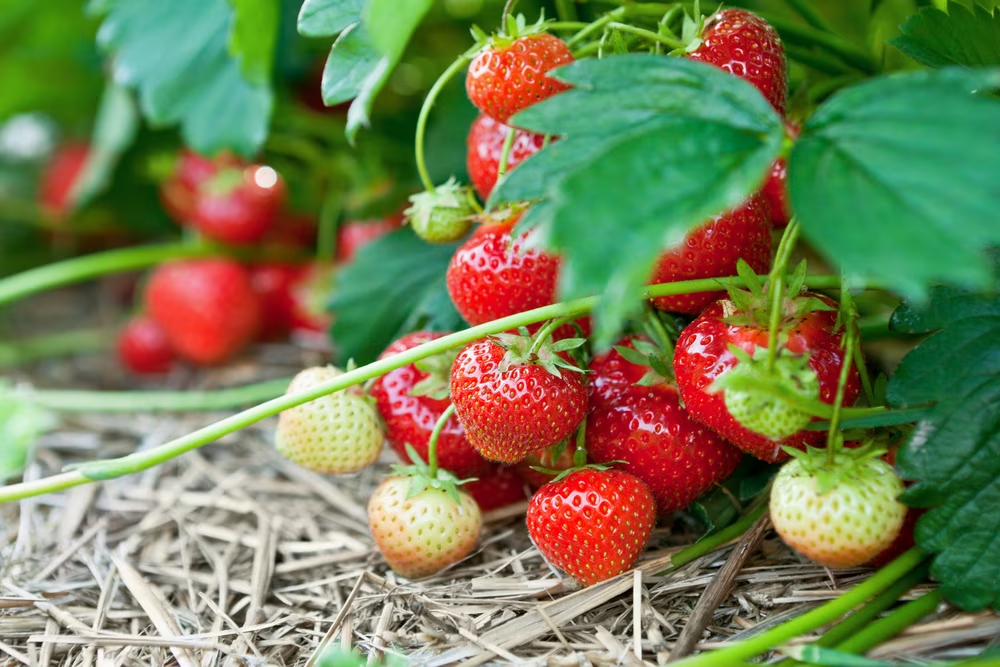
After pruning and pest management, it’s time to protect your plants for the colder months. Winter protection ensures the crown and roots survive and are ready for vigorous growth in spring.
Winter Preparation Tips:
- Mulching: Apply a layer of straw, pine needles, or shredded leaves over the substrate to insulate the plants.
- Covering Plants: For regions with severe frost, cover strawberry beds with garden fabric, row covers, or cloches.
- Watering: Reduce watering gradually as temperatures drop, but do not let the substrate dry out completely.
- Inspection: Check plants periodically for signs of pest activity or disease even during dormancy.
Winter protection minimizes frost damage, reduces stress on the plants, and preserves next year’s potential yield.
Step 5: Optional Rejuvenation Techniques
For older strawberry plants that have reduced productivity, autumn is the perfect time to rejuvenate them:
- Dividing Crowns: Carefully dig up the plants, separate strong crowns, and replant them in fresh substrate.
- Replacing Substrate Entirely: For plants in pots or boxes, completely replace the old soil with fresh, nutrient-rich medium.
- Fertilization: Apply slow-release organic fertilizers to encourage root growth and storage of nutrients for winter.
Rejuvenation extends the productive life of strawberry plants and improves fruit yield for the next season.
Common Mistakes to Avoid in Autumn Care
- Neglecting Pruning: Leaving dead or diseased leaves increases the risk of fungal infections.
- Overwatering: Excess moisture in autumn can lead to root rot or fungal diseases.
- Ignoring Ant Activity: Ants can protect aphids, increasing plant stress and damage.
- Improper Substrate Renewal: Adding substrate too deep or burying the crown can harm the plant.
- Lack of Winter Protection: Unprotected plants may suffer frost damage or die during cold months.
Avoiding these mistakes ensures that strawberry plants remain healthy, productive, and ready for spring growth.
Benefits of Proper Autumn Care
- Stronger Plants: Pruning and substrate renewal support root and leaf development.
- Higher Yields: Healthy plants in spring produce larger, more abundant berries.
- Pest and Disease Prevention: Removing old leaves and controlling ants reduces pest pressure.
- Longer Lifespan: Proper maintenance extends the productive life of strawberry plants.
- Better Winter Survival: Mulching and protection prevent frost damage and nutrient loss.
Autumn care is a small investment for big returns in plant health and fruit production.
Final Thoughts
Autumn is a pivotal season for strawberry plants, providing an opportunity to rejuvenate, protect, and prepare them for the next growing cycle. By focusing on renewing the substrate, pruning leaves, and controlling ants and other pests, gardeners can ensure their plants remain healthy, productive, and resilient. Proper autumn care not only increases the quantity and quality of strawberries in the following season but also extends the lifespan of your plants, making home gardening more sustainable and rewarding.
With consistent attention and the right techniques, strawberry plants can thrive year after year, delivering fresh, flavorful berries straight from your garden. By investing time in autumn care, gardeners set the stage for a successful, fruitful spring harvest that reflects the dedication and care given during this crucial season.