Rosemary (Rosmarinus officinalis) is one of the most aromatic, versatile, and hardy herbs you can grow at home. Its fragrant leaves enhance culinary dishes, teas, and essential oils, while the plant itself adds a decorative touch to gardens, patios, and even indoor spaces. Many gardeners struggle to grow rosemary in abundance, often ending up with small plants or sparse foliage. The key is understanding the plant’s growth habits, environmental needs, and care techniques to maximize yield and production.
This guide covers step-by-step methods for planting, propagating, maintaining, and harvesting rosemary, ensuring that you can enjoy a high-production herb garden year-round.
🌿 Why Rosemary Is Ideal for High Production
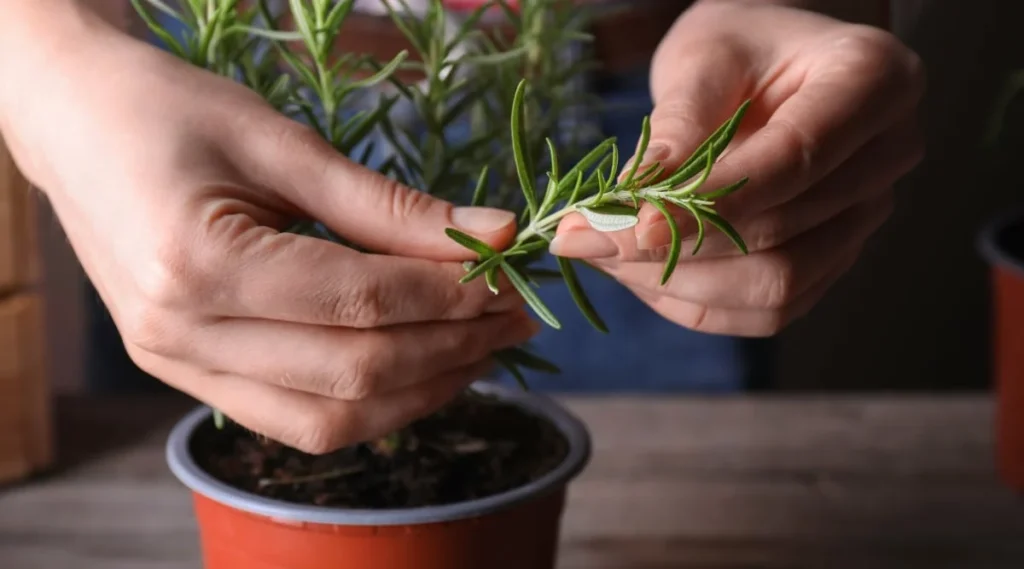
Rosemary is a perennial, evergreen herb that thrives in sunny, well-drained conditions. Its appeal lies in:
- Culinary versatility: Use fresh or dried leaves in cooking, teas, and seasonings.
- Medicinal and aromatic benefits: Known for boosting memory, reducing stress, and repelling insects.
- Low maintenance: Drought-tolerant and resilient once established.
- Decorative value: Adds height, texture, and color to garden beds or containers.
By focusing on high-yield cultivation techniques, you can produce abundant foliage for personal use, culinary businesses, or local markets.
🌱 Step 1: Choosing the Right Variety
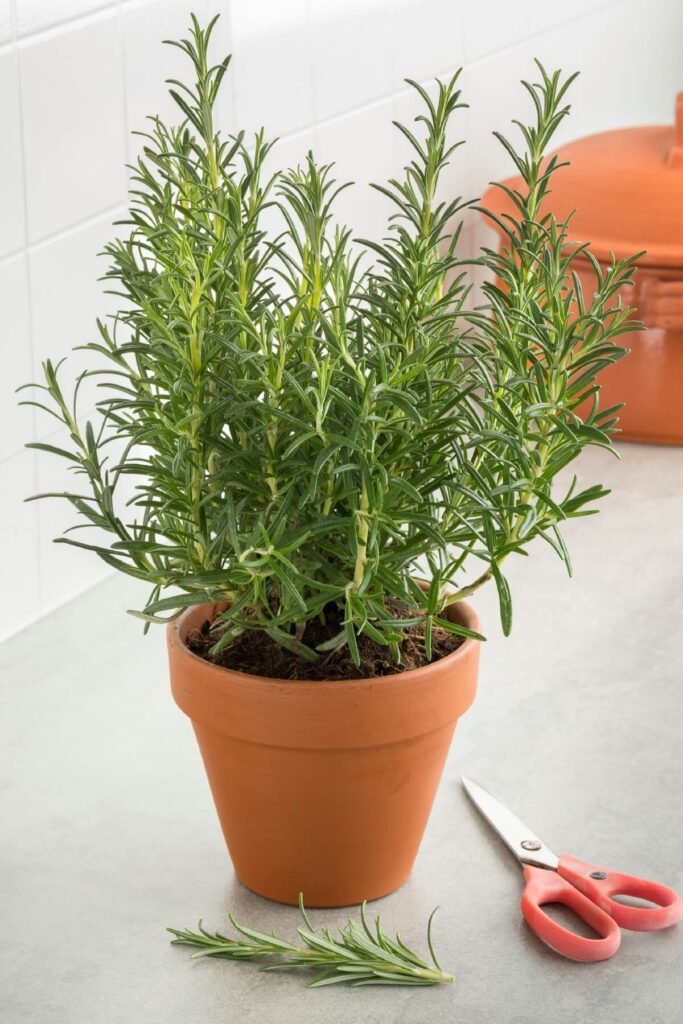
Rosemary has several varieties, each suited for specific purposes:
- Tuscan Blue: Ideal for culinary use and high-yield harvest.
- Arp: Cold-hardy and fast-growing, perfect for northern climates.
- Prostratus: Low-growing, spreads well for ground cover.
- Spice Islands: Produces aromatic leaves for essential oils and cooking.
💡 Pro Tip: Select a variety suited to your climate and intended use to ensure maximum production.
🌿 Step 2: Preparing Soil and Planting Site
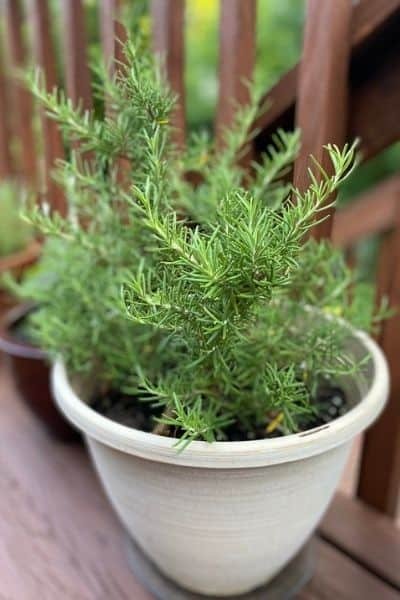
Rosemary thrives in well-draining, slightly alkaline soil. Key preparation steps include:
- Soil Mix: Use a combination of sandy soil, garden soil, and organic compost.
- pH Level: Maintain slightly alkaline conditions (pH 6.5–7.5) for optimal growth.
- Sunlight: Plant in a location receiving 6–8 hours of direct sunlight daily.
- Spacing: Space plants 40–60 cm apart to allow airflow and encourage bushy growth.
💡 Secret: Rosemary dislikes waterlogged soil; proper drainage is essential for high yield.
🌱 Step 3: Propagation for Maximum Plants
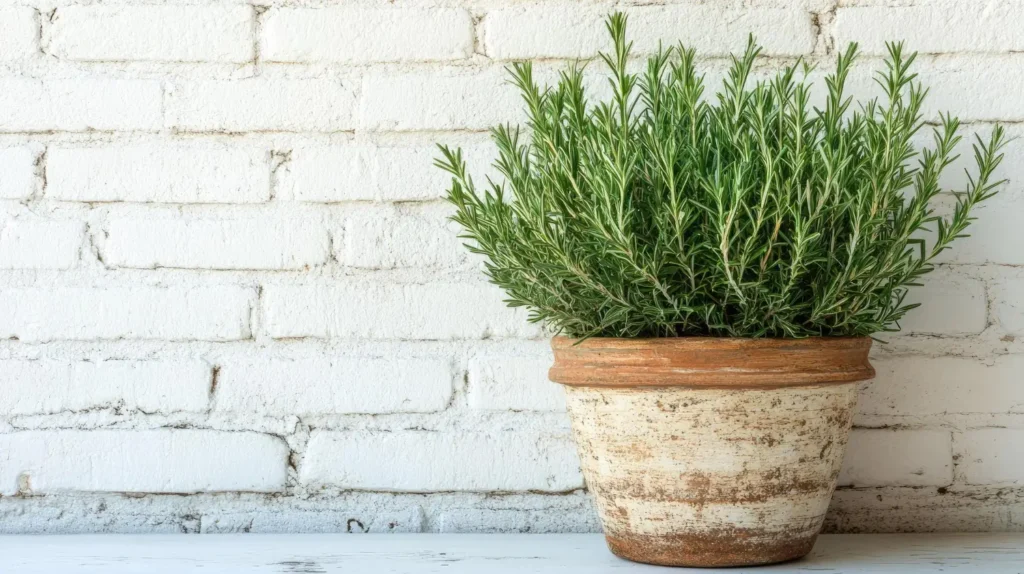
For high production, multiply plants through cuttings or layering:
Propagation by Cuttings
- Select healthy 10–15 cm stems from mature plants.
- Remove lower leaves and dip the cut end in rooting hormone.
- Plant in a well-draining medium (sand + compost).
- Maintain humidity and indirect sunlight until roots develop (2–4 weeks).
Propagation by Layering
- Bend a low branch to the soil surface.
- Cover a portion with soil and secure with a pin or rock.
- After rooting, sever from the parent plant and transplant.
💡 Pro Tip: Propagating multiple cuttings ensures a continuous supply of productive plants.
🌿 Step 4: Watering and Moisture Management
Rosemary is drought-tolerant, but water management is crucial for high production:
- Water moderately during establishment; reduce frequency once mature.
- Avoid overwatering to prevent root rot.
- In dry conditions, provide deep watering once a week rather than frequent shallow watering.
💡 Secret: Stressing the plant slightly by controlled watering can encourage denser, bushier growth, ideal for high leaf production.
🌱 Step 5: Fertilization for Maximum Yield
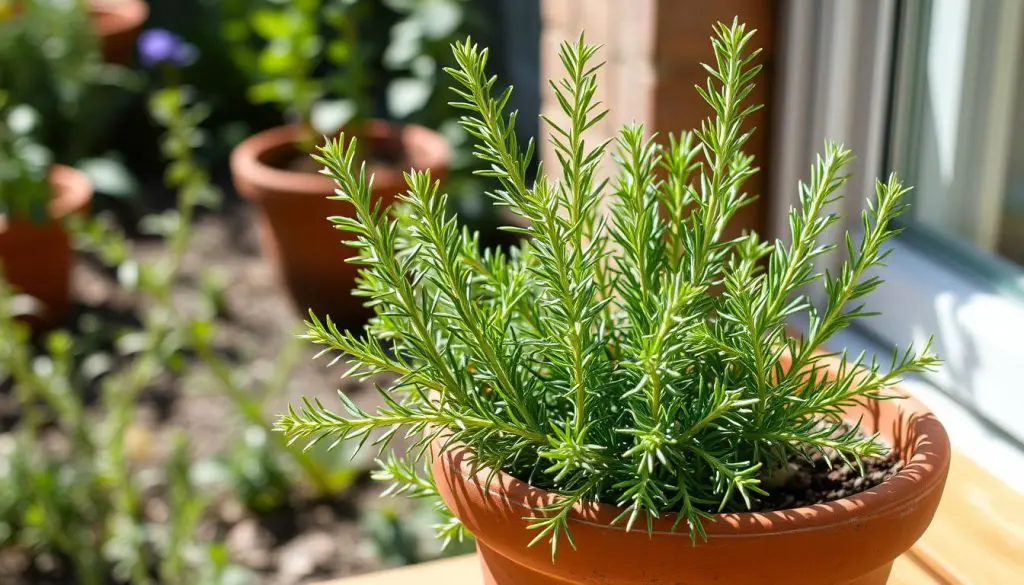
Rosemary benefits from regular feeding to encourage healthy foliage:
- Balanced Fertilizers: Use a slow-release or liquid fertilizer with equal parts nitrogen, phosphorus, and potassium.
- Frequency: Feed every 4–6 weeks during the growing season.
- Organic Options: Compost tea, well-rotted manure, or vermicompost promotes vigorous growth.
💡 Secret: Avoid over-fertilization, which can lead to excessive leafy growth with weaker flavor.
🌿 Step 6: Pruning and Training for Bushy Plants
Pruning is critical for encouraging high-yield rosemary:
- Timing: Prune after flowering or in early spring.
- Method: Cut back 10–15 cm of new growth to stimulate branching.
- Tip: Avoid cutting into old woody stems, which do not regenerate.
💡 Secret: Regular pruning not only shapes the plant but increases leaf production, ensuring a higher harvest.
🌱 Step 7: Pests and Disease Management
Healthy, well-maintained rosemary is resistant, but vigilance improves production:
- Common Pests: Aphids, spider mites, and whiteflies.
- Prevention: Encourage natural predators like ladybugs, or spray with neem oil.
- Diseases: Root rot and powdery mildew. Ensure good drainage and airflow.
- Tip: Avoid overhead watering to reduce fungal problems.
💡 Secret: Strong, healthy plants are more productive and less prone to disease.
🌿 Step 8: Harvesting for Maximum Production
Harvesting correctly ensures continuous production:
- Timing: Begin harvesting 8–10 weeks after planting once the plant is established.
- Method: Cut top 5–10 cm of stems with scissors or pruning shears.
- Frequency: Regular harvesting encourages new growth and bushier plants.
- Drying/Storage: Hang harvested stems upside down in a dark, ventilated area or freeze for culinary use.
💡 Secret: Harvesting before flowering results in the most flavorful leaves.
🌱 Step 9: Seasonal Care for High Production
Maintaining rosemary throughout the year boosts yield:
- Winter Care: Protect plants from frost by mulching or covering.
- Summer Care: Provide consistent watering and partial shade in extremely hot climates.
- Flowering: Allow some stems to flower to attract pollinators, which improve overall plant health.
💡 Secret: Seasonal attention ensures plants remain productive across multiple years.
🌿 Step 10: High-Production Growing Tips
- Container vs. Ground: Rosemary grows well in both; large pots allow multiple plants and easy harvesting.
- Spacing: Proper spacing prevents overcrowding and maximizes airflow.
- Companion Plants: Plant with basil, thyme, or lavender for healthy growth and pest control.
- Continuous Propagation: Keep new cuttings ready to replace older plants for sustained high yield.
🌱 Step 11: Benefits of High-Production Rosemary
Growing rosemary for maximum production offers:
- Culinary abundance: Fresh leaves for daily cooking.
- Aromatic enjoyment: Fragrant leaves for home and gifts.
- Economic opportunity: Sell excess leaves or plants locally.
- Low-maintenance sustainability: Once established, rosemary produces abundantly with minimal effort.
💡 Secret: With proper care, a single rosemary plant can provide a continuous supply of leaves for years.
🌿 Step 12: Styling and Practical Uses
Rosemary is versatile both visually and practically:
- Garden Design: Use as borders, hedges, or accent plants.
- Indoor Pots: Adds fragrance and decor to kitchens or balconies.
- Crafts: Use stems for dried arrangements or wreaths.
- Essential Oils: High-yield plants provide material for homemade oils.
💡 Secret: Combining aesthetics with productivity makes rosemary a star in any herb garden.
🌱 Final Thoughts
Growing rosemary for high production is achievable with the right variety, soil, watering, pruning, and propagation techniques. By following these steps, you can create a thriving herb garden that yields abundant, aromatic leaves for culinary, decorative, and medicinal uses.
Whether you’re growing for personal use, gifting, or even selling, rosemary is a low-maintenance, high-reward plant. With consistent care and attention to pruning, fertilization, and seasonal protection, your rosemary garden will flourish, producing lush, healthy leaves year-round.
Start today, propagate generously, and enjoy the endless benefits of high-production rosemary plants in your home and garden.