Gardening in small pots is a challenge many plant enthusiasts face. Limited space, compact containers, and insufficient substrate often restrict plant growth, resulting in stunted development, reduced flowering, or poor yields. But what if there was a simple way to maximize the amount of substrate in your small pots and provide your plants with the nutrients and space they need?
This guide explores how to effectively use small pots, increase substrate capacity, and optimize plant growth, ensuring that even limited space can yield lush, healthy plants.
🌿 Why Substrate Matters in Small Pots
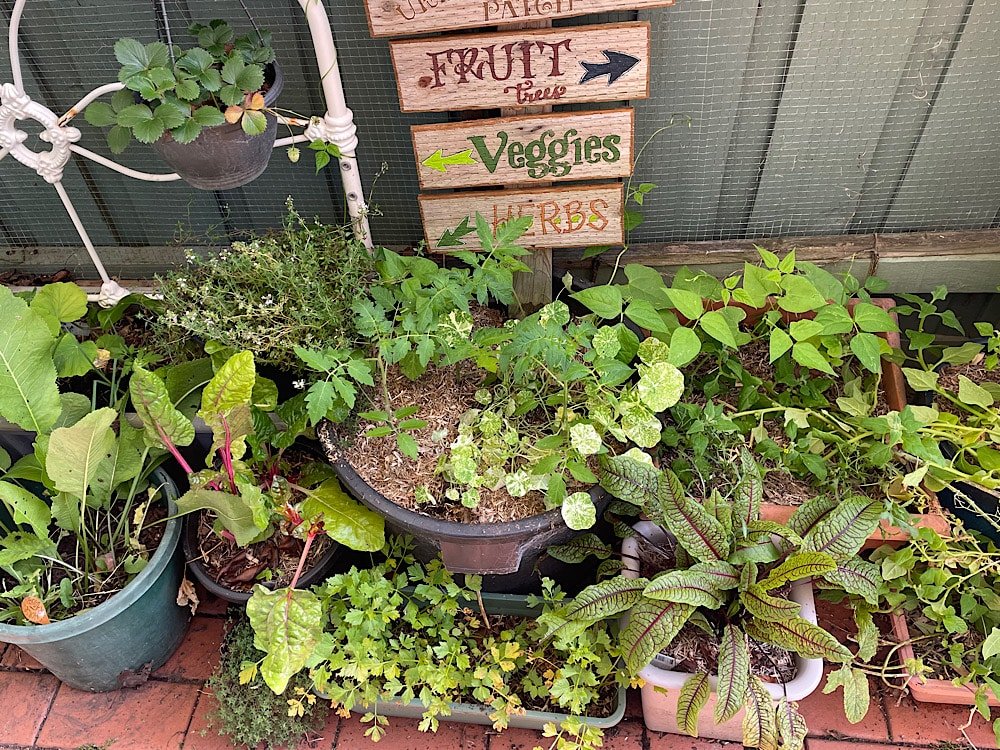
Substrate, the soil or medium in which plants grow, plays a critical role in plant health:
- Nutrient availability: Provides essential minerals for growth and flowering.
- Water retention: Holds water for plant roots while preventing over-saturation.
- Aeration: Ensures roots have access to oxygen.
- Root space: Allows roots to expand and support the plant.
In small pots, substrate is often insufficient, causing plants to struggle, wilt, or produce fewer flowers and fruits. By maximizing substrate, even tiny pots can support vigorous plant growth.
🌱 Step 1: Choosing the Right Pot
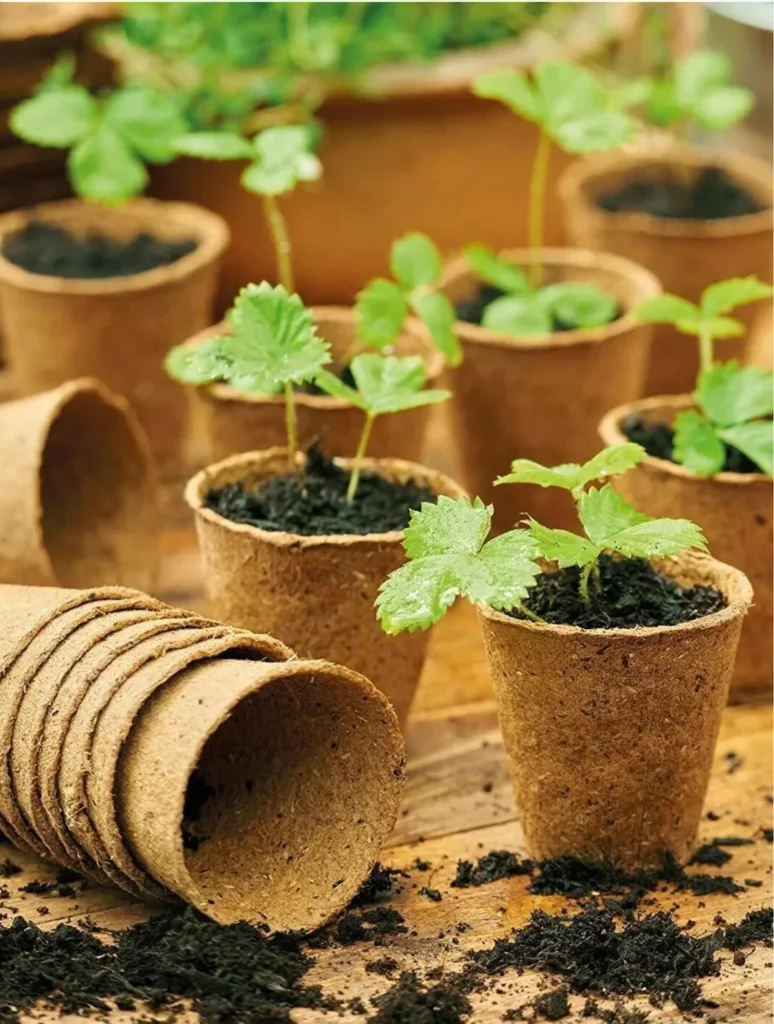
The first step is selecting a small pot suitable for your plant while allowing room for more substrate:
- Material: Plastic pots are lightweight and retain moisture; clay pots improve aeration.
- Shape: Deeper pots allow more vertical substrate, helping root development.
- Drainage: Ensure there are holes at the bottom to prevent waterlogging.
💡 Pro Tip: Don’t throw away old or broken pots—repurposing them creatively can maximize your planting space.
🌿 Step 2: Maximizing Substrate in Small Pots
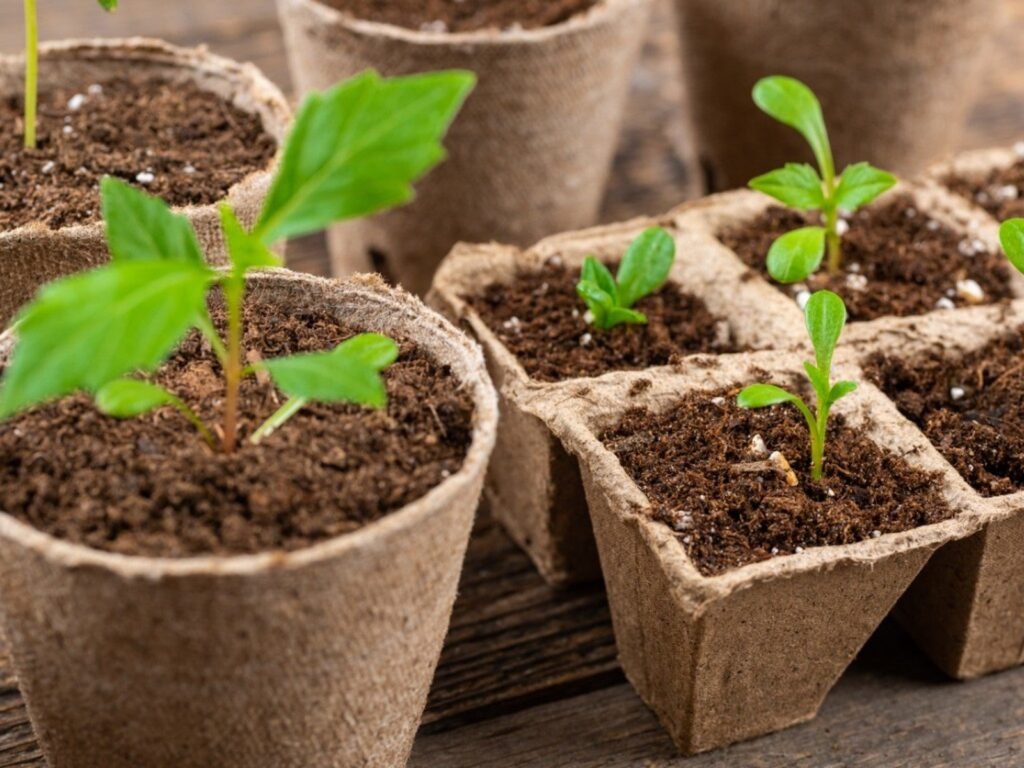
There are several techniques to increase the amount of substrate in a limited container:
- Layering:
- Place small stones, broken pots, or gravel at the bottom to raise the soil level without overloading the pot.
- This prevents waterlogging and improves root aeration.
- Using Lightweight Substrates:
- Mix standard soil with coco peat, perlite, or vermiculite.
- Lightweight substrates fill more volume without making the pot heavy.
- Compact Packing:
- Gently compress substrate as you fill the pot to remove air pockets.
- Avoid over-compaction, which can suffocate roots.
💡 Secret: By layering and using lightweight substrate, a small pot can hold up to 30–40% more planting medium than conventional filling methods.
🌱 Step 3: Recycling and Repurposing Materials
Instead of throwing away materials, you can reuse them to create more substrate space:
- Broken pots can be crushed and added as drainage at the bottom.
- Old perlite, cocopeat, or garden soil can be refreshed with compost.
- Kitchen waste like eggshells or coffee grounds can enrich the substrate.
💡 Tip: Repurposing materials is eco-friendly and cost-effective while boosting plant growth potential.
🌿 Step 4: Preparing the Substrate Mix
A well-prepared substrate ensures nutrient-rich, well-drained conditions:
- Base Mix: Garden soil + compost + coco peat
- Aeration Additives: Perlite or coarse sand
- Nutrient Boosters: Slow-release organic fertilizers or worm castings
Steps:
- Combine ingredients in a large container.
- Mix thoroughly for uniform texture.
- Moisten lightly before filling the pot.
💡 Secret: A balanced substrate ensures roots grow downward and outward, maximizing the small pot’s space.
🌱 Step 5: Planting in Small Pots
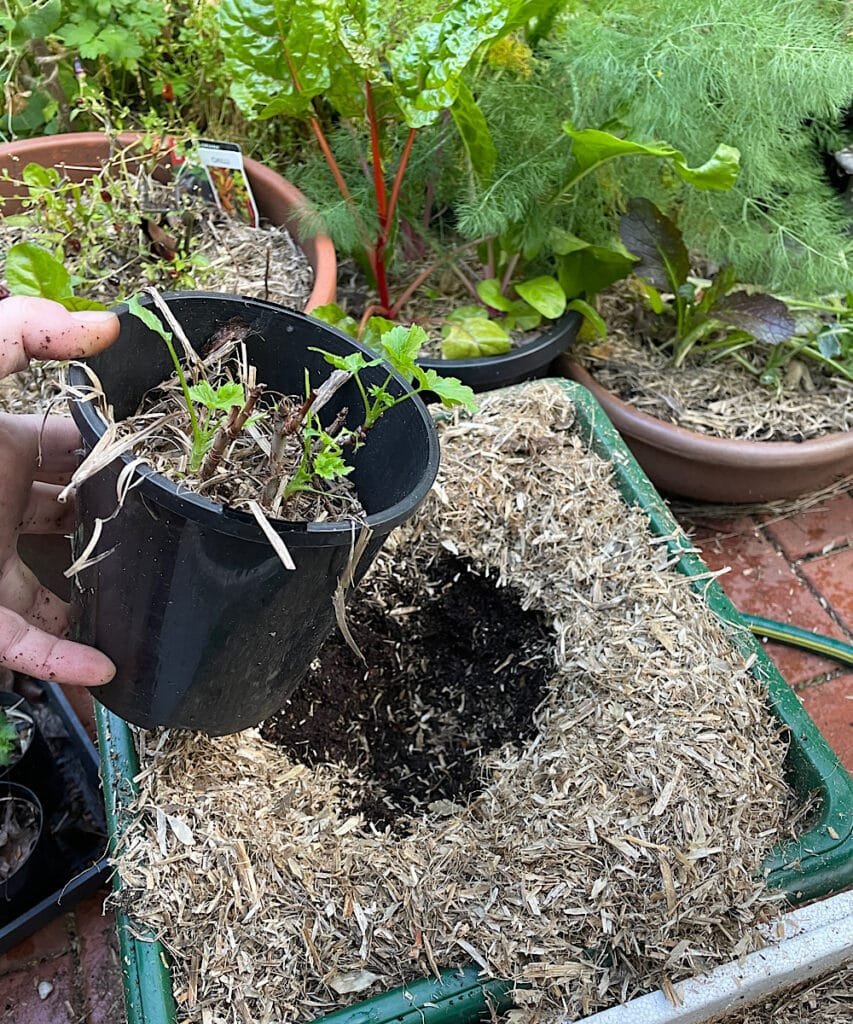
Once the pot and substrate are ready, planting correctly is key:
- Place a small layer of gravel or broken pottery at the bottom.
- Fill the pot halfway with substrate.
- Gently place the plant or seedling.
- Fill around the roots with remaining substrate, firming gently.
- Water lightly to settle the soil.
💡 Tip: Leave 1–2 cm from the pot rim to prevent spillage and allow space for watering.
🌿 Step 6: Watering and Moisture Management
Small pots dry out faster, so careful watering is essential:
- Frequency: Water when the top 1–2 cm of soil is dry.
- Method: Use a fine spray or drip to avoid washing away substrate.
- Retention: Adding coco peat or vermiculite increases water-holding capacity.
💡 Secret: Proper moisture management prevents root rot while keeping plants healthy in limited soil volume.
🌱 Step 7: Fertilizing for Maximum Production
Small pots can become nutrient-limited, so regular feeding is crucial:
- Liquid Fertilizer: Use diluted organic or chemical fertilizer every 2–3 weeks.
- Slow-Release Fertilizer: Incorporate granules into the substrate during planting for continuous nutrient supply.
- Organic Boosters: Compost tea or worm casting extracts can enhance growth naturally.
💡 Tip: Over-fertilizing small pots can burn roots. Light, frequent feeding is better than heavy, occasional doses.
🌿 Step 8: Pruning and Root Management
In small pots, managing plant size is key to maximizing growth:
- Trim excessive leaves or branches to reduce stress on roots.
- Repot or divide plants when roots become crowded.
- Use shallow-rooted plants to match small container depth.
💡 Secret: Regular pruning keeps plants bushy and ensures substrate nutrients are efficiently used.
🌱 Step 9: Using Mini Greenhouses or Covers
To further boost growth in small pots:
- Cover the pot with a plastic dome or bottle to retain humidity.
- Place near bright light or under grow lights.
- Monitor condensation and ventilation to prevent mold.
💡 Tip: A mini greenhouse effect accelerates growth, especially for seedlings or sensitive plants.
🌿 Step 10: Common Challenges and Solutions
- Compacted Soil: Avoid overpacking; aerate by gently poking holes.
- Fast Drying: Use mulch, cocopeat, or moss to retain moisture.
- Root Binding: Repot when roots circle the pot bottom.
- Nutrient Depletion: Fertilize regularly for high-yield plants.
💡 Secret: Timely intervention prevents stress and ensures small pots can support robust plant growth.
🌱 Step 11: Benefits of Maximizing Substrate in Small Pots
- Healthier Plants: Adequate substrate means stronger roots and more vigorous growth.
- Higher Yield: More nutrients and space allow flowers, fruits, or herbs to flourish.
- Cost-Efficient: Use small pots creatively without buying larger containers.
- Eco-Friendly: Recycling materials reduces waste while boosting substrate volume.
💡 Tip: Even tiny pots can produce impressive results if used efficiently.
🌿 Step 12: Advanced Tips for Small Pot Gardening
- Layer with Activated Charcoal: Prevents odor and absorbs toxins.
- Companion Planting: Pair plants that thrive in limited substrate.
- Vertical Gardening: Stack small pots to maximize space and sunlight.
- DIY Substrate Mixes: Experiment with different ratios of sand, compost, and perlite for fast-growing plants.
💡 Secret: Creativity with small pots can lead to high-yield mini gardens, even in apartments or small balconies.
🌱 Final Thoughts
Don’t underestimate small pots—they can become productive, thriving containers with the right techniques. By maximizing substrate, using lightweight soil mixes, layering materials, and carefully managing water and nutrients, you can grow lush, healthy plants even in limited space.
Recycling old pots, layering substrates, and employing mini-greenhouse techniques ensures that no material goes to waste while boosting growth and production. With patience and proper care, small pots can deliver bountiful results, proving that even tiny containers can support thriving gardens.