Air layering is a fascinating horticultural technique that allows gardeners to propagate fruit trees efficiently without the need for seeds or grafting. Unlike traditional methods, air layering produces a clone of the parent tree, ensuring that the new plant retains all the desirable traits of the original. With this method, you can multiply your favorite fruit trees—mango, guava, citrus, jackfruit, and more—right in your backyard. In this guide, we’ll explore everything you need to know about air layering fruit trees, step by step, so you can enjoy a thriving home orchard.
1. What is Air Layering?

Air layering is a propagation method in which a branch of a mature tree is induced to develop roots while still attached to the parent plant. Once roots form, the branch is cut and planted separately to grow into a new tree. This method is widely used for fruit trees because it:
- Preserves the genetic traits of the parent tree.
- Produces fruit faster than growing from seeds.
- Can be done almost any time of the year, with the best results during active growth seasons.
- Works well for trees that are difficult to propagate by cuttings.
2. Benefits of Air Layering Fruit Trees

Air layering offers several advantages for home gardeners and commercial growers alike:
- Faster Fruiting: Air-layered trees start bearing fruit earlier than seed-grown trees.
- Genetic Consistency: The new tree is identical to the parent, ensuring fruit quality remains the same.
- Higher Success Rate: Compared to cuttings, air layering has a higher probability of rooting successfully.
- Saves Space: You can propagate multiple trees from one parent without needing a nursery setup.
3. Best Trees for Air Layering
While air layering works for many plants, it is particularly effective for:
- Mango
- Guava
- Citrus (orange, lemon, lime)
- Jackfruit
- Lychee
- Avocado
Hardwood trees and certain flowering trees can also be propagated using this technique, making it versatile for home gardens and orchards.
4. Materials Needed for Air Layering
To air layer fruit trees successfully, you’ll need some basic materials:
- A sharp knife or pruning tool
- Rooting hormone (powder or gel)
- Moss (sphagnum moss works best)
- Plastic wrap or polyethylene sheet
- Twine, tape, or rubber bands
- Scissors
- Water spray bottle
Having these materials ready ensures a smooth process and increases the chances of successful rooting.
5. Step-by-Step Guide to Air Layering Fruit Trees
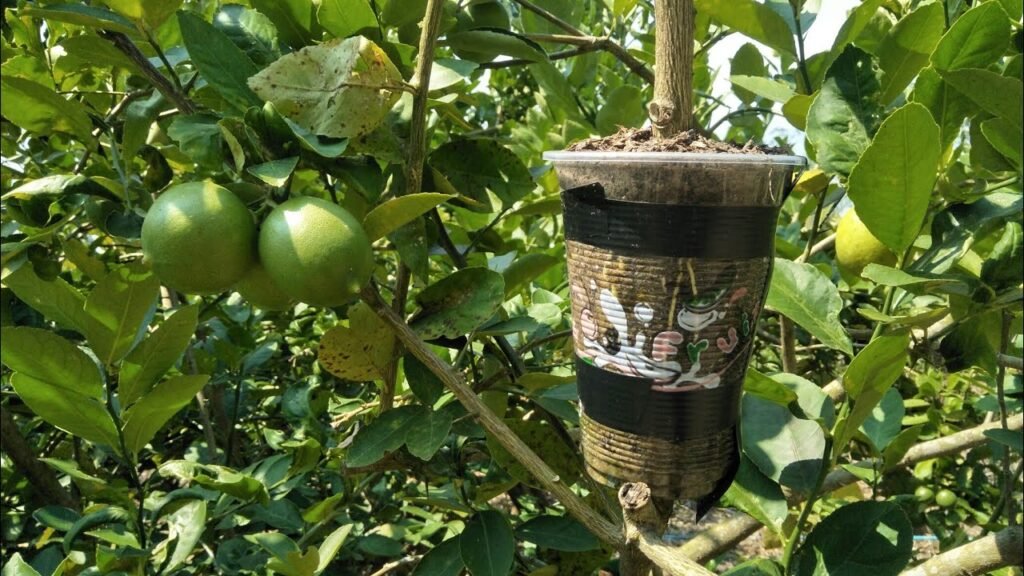
Step 1: Select the Branch
Choose a healthy, pencil-thick branch on the parent tree. Avoid branches that are too young or old, as they may not root effectively. Ideally, select a branch that is disease-free and has plenty of healthy leaves.
Step 2: Make the Incision
- Use a sharp knife to remove a small strip of bark around the branch (1–2 inches long).
- Gently scrape the wood to expose the green cambium layer beneath.
- This exposed area encourages root formation.
Step 3: Apply Rooting Hormone
- Dust or coat the wounded area with rooting hormone.
- Rooting hormone stimulates root development and improves success rates.
Step 4: Wrap with Moss
- Soak sphagnum moss in water until it’s fully moist.
- Wrap a generous amount of moss around the wounded area.
- Ensure the moss fully covers the exposed cambium layer.
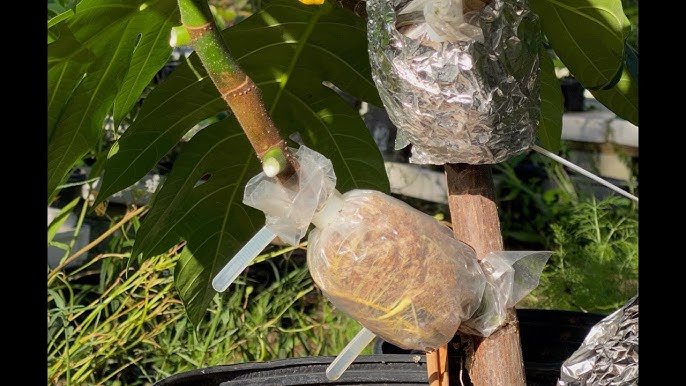
Step 5: Cover with Plastic
- Wrap the moss with plastic wrap to retain moisture.
- Secure the ends with twine, tape, or rubber bands to keep the moss in place.
- Make sure it’s snug but not too tight to damage the branch.
Step 6: Maintain Moisture
- Periodically check the moss and mist it with water to keep it damp.
- Avoid letting the moss dry out, as moisture is critical for root development.
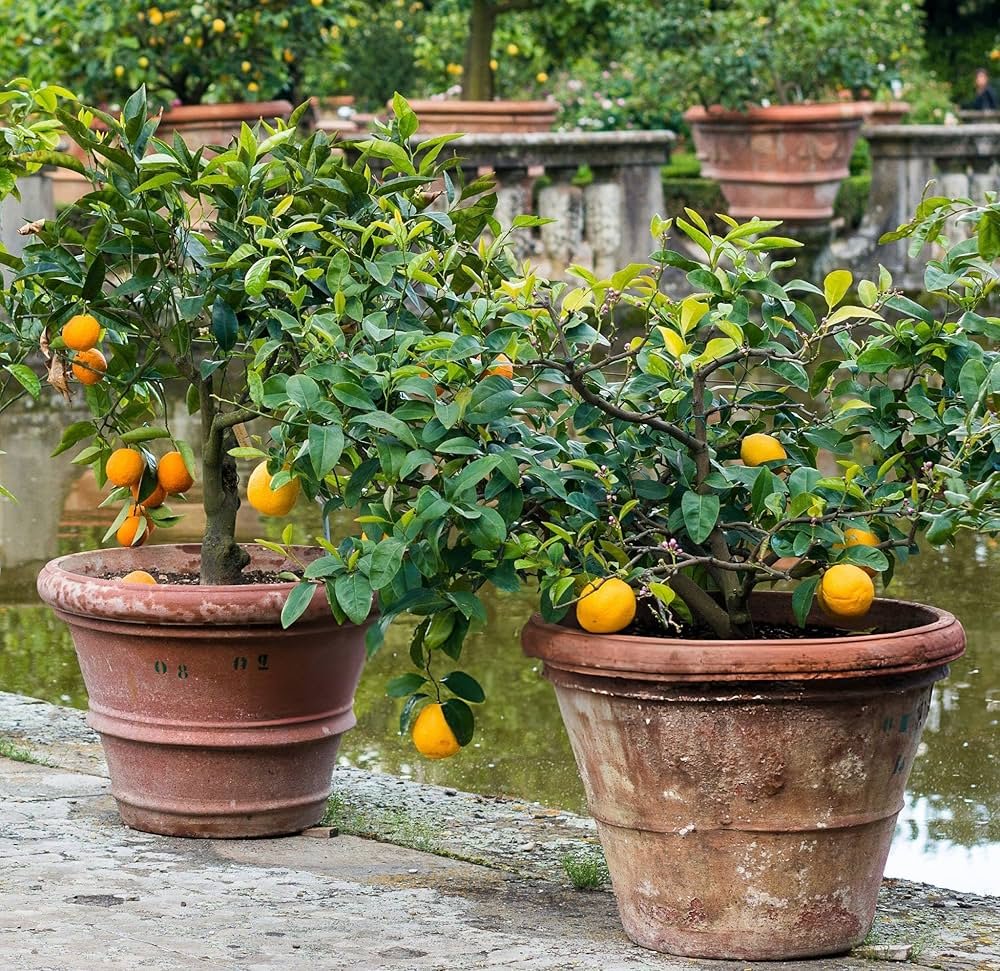
Step 7: Wait for Roots to Form
- Rooting time varies depending on the tree species and season, typically 4–12 weeks.
- You’ll notice small white roots pushing through the moss when it’s ready.
Step 8: Cut and Plant
- Once roots are well-developed, cut the branch below the rooted section.
- Plant the new tree in a pot or directly in the garden.
- Water thoroughly and provide partial shade initially until the tree establishes itself.
6. Tips for Successful Air Layering
- Choose a branch with good sun exposure but avoid excessive heat.
- Ensure moss remains moist but not waterlogged.
- Apply rooting hormone generously but avoid excess that may burn the tissue.
- Be patient; rushing the process may damage root formation.
- Label the layered branches to track progress if you are propagating multiple trees.
7. Common Mistakes to Avoid
- Using a weak or diseased branch, which reduces success rates.
- Allowing the moss to dry out, leading to failed rooting.
- Wrapping too tightly, which can damage the cambium layer.
- Cutting the branch too early, before sufficient roots develop.
- Neglecting proper aftercare, such as shading and watering the newly planted tree.
8. Advantages Over Other Propagation Methods
Compared to cuttings, grafting, or seed propagation, air layering:
- Produces a larger, more robust plant ready for transplant.
- Avoids the need for complex grafting techniques.
- Reduces the time to fruit production compared to seed-grown trees.
- Has a higher survival rate than hardwood or softwood cuttings.
9. Aftercare for Air-Layered Trees
After planting the newly rooted tree:
- Water regularly to maintain consistent soil moisture.
- Fertilize lightly to encourage growth, using organic compost or a balanced fertilizer.
- Provide support if the tree is young and fragile.
- Gradually acclimate the tree to full sunlight if planted in a shaded area.
Proper care ensures strong root establishment and a healthy start for your air-layered tree.
10. Conclusion
Air layering is a simple yet powerful technique that allows gardeners to multiply their favorite fruit trees efficiently. By following the steps outlined—selecting the right branch, preparing it properly, wrapping it with moss, and patiently waiting for roots—you can propagate healthy, genetically identical trees without relying on seeds or complicated grafting methods.
This method saves time, conserves resources, and guarantees that the new trees retain the desirable traits of the parent. Whether you dream of a backyard mango orchard, a citrus grove, or a variety of fruit trees for your garden, air layering offers a reliable path to success.
With a little patience and attention to detail, you can master air layering and enjoy the satisfaction of growing fruit trees that bear bountiful harvests for years to come. Start today, and let your garden flourish with the fruits of your effort and care.