Tomatoes are one of the most popular plants for home gardeners, prized for their flavor, versatility, and abundance. But what if you could grow them in a way that saves space, reduces pests, and looks visually stunning? Enter upside-down tomato gardening—a creative, space-saving method that allows tomatoes to grow from hanging containers, giving your garden a unique and productive twist. In this guide, you’ll learn everything about growing tomatoes upside down, from selecting the right varieties to harvesting plump, juicy fruits.
1. What is Upside-Down Tomato Gardening?
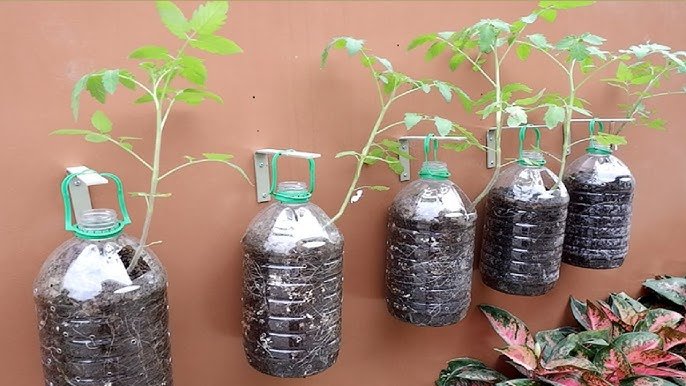
Upside-down gardening is a method of growing plants in hanging containers with the plant roots at the top and the foliage and fruit dangling downward. Originally popularized for small gardens and patios, this technique:
- Saves garden space, making it ideal for urban or balcony gardens.
- Reduces the risk of soil-borne diseases and pests.
- Promotes better air circulation around the plant.
- Creates a visually appealing display of cascading foliage and fruit.
Growing tomatoes upside down may sound unusual, but with proper care, it can produce abundant harvests.
2. Benefits of Growing Tomatoes Upside Down
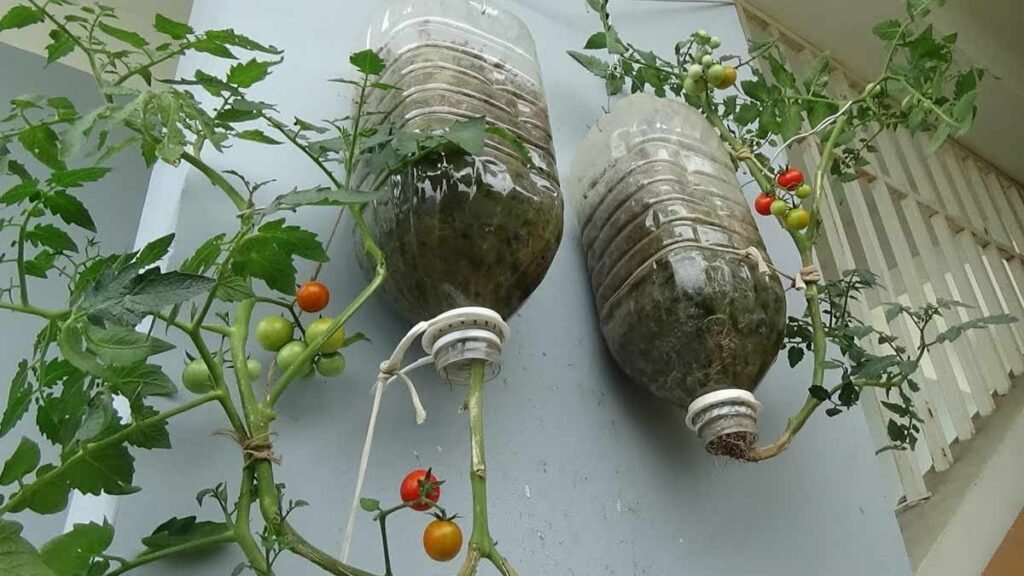
There are several advantages to this unique gardening approach:
- Space-saving: Ideal for small gardens, balconies, or patios.
- Pest reduction: Keeping fruits off the ground minimizes slug, snail, and soil-borne pest damage.
- Reduced pruning: Gravity encourages natural growth and reduces the need for heavy pruning.
- Less disease: The plant is less exposed to fungal infections common in ground-level cultivation.
- Decorative appeal: Hanging plants add charm and greenery to vertical spaces.
3. Choosing the Right Tomato Varieties
Not all tomato plants are suited for upside-down gardening. Choose varieties that are:
- Determinate varieties (bushy types): Compact and produce all their fruit at once. Examples: ‘Tiny Tim,’ ‘Balcony.’
- Cherry or small-sized tomatoes: Lighter fruits reduce stress on the hanging plant. Examples: ‘Sweet Million,’ ‘Red Cherry.’
Avoid large indeterminate varieties with heavy fruit, as they may weigh down the container and break the plant.
4. Materials Needed for Upside-Down Tomato Gardening
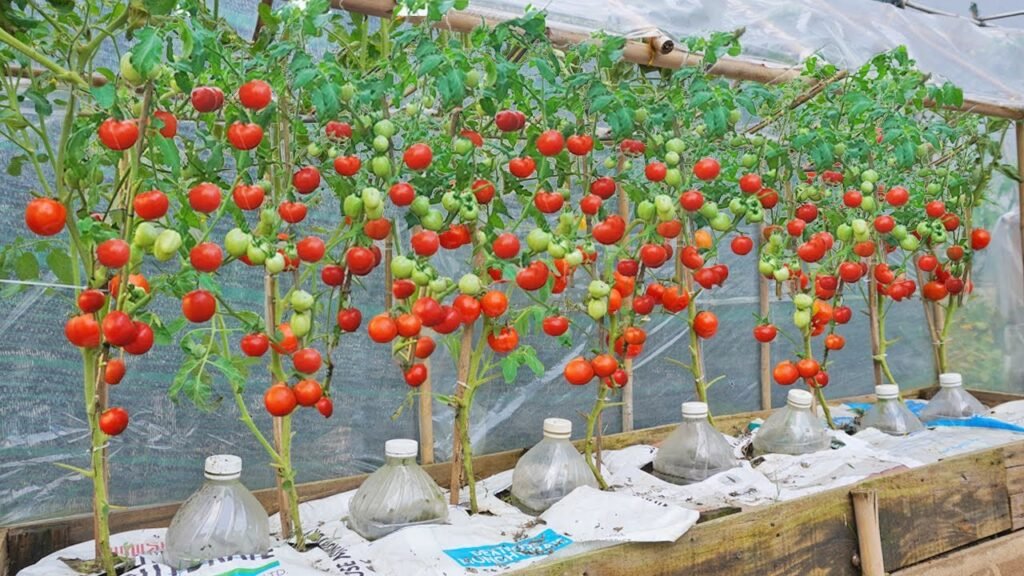
To start, you’ll need some basic materials:
- A sturdy hanging container (plastic bucket, planter, or recycled container)
- Potting soil or a high-quality growing medium
- Tomato seedlings
- Fertilizer (balanced liquid or slow-release)
- Strong rope, chain, or hook for hanging
- Mulch (optional) to retain moisture
5. Preparing the Container
Step 1: Choose Your Container
Select a container that can hold at least 3–5 gallons of soil. Ensure it is durable and has a stable hanging mechanism.
Step 2: Create a Hole for the Plant
- Cut a hole in the bottom of the container, large enough for your tomato seedling.
- Ensure the edges are smooth to prevent damaging the plant stem.
Step 3: Fill with Soil
- Use lightweight, nutrient-rich potting soil.
- Avoid heavy garden soil, which can compact and hinder root growth.
6. Planting the Tomato Seedling
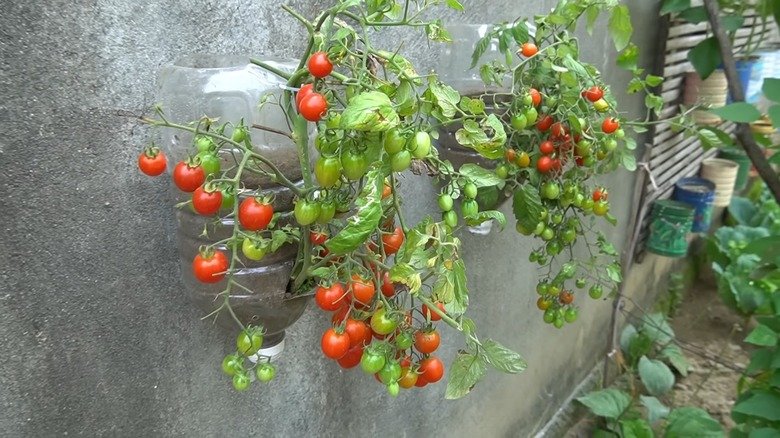
- Take a healthy seedling and insert it through the hole at the bottom of the container.
- Firmly pack the soil around the roots, ensuring stability.
- The seedling should point downward, with the roots inside the container and foliage hanging outside.
7. Watering and Fertilization
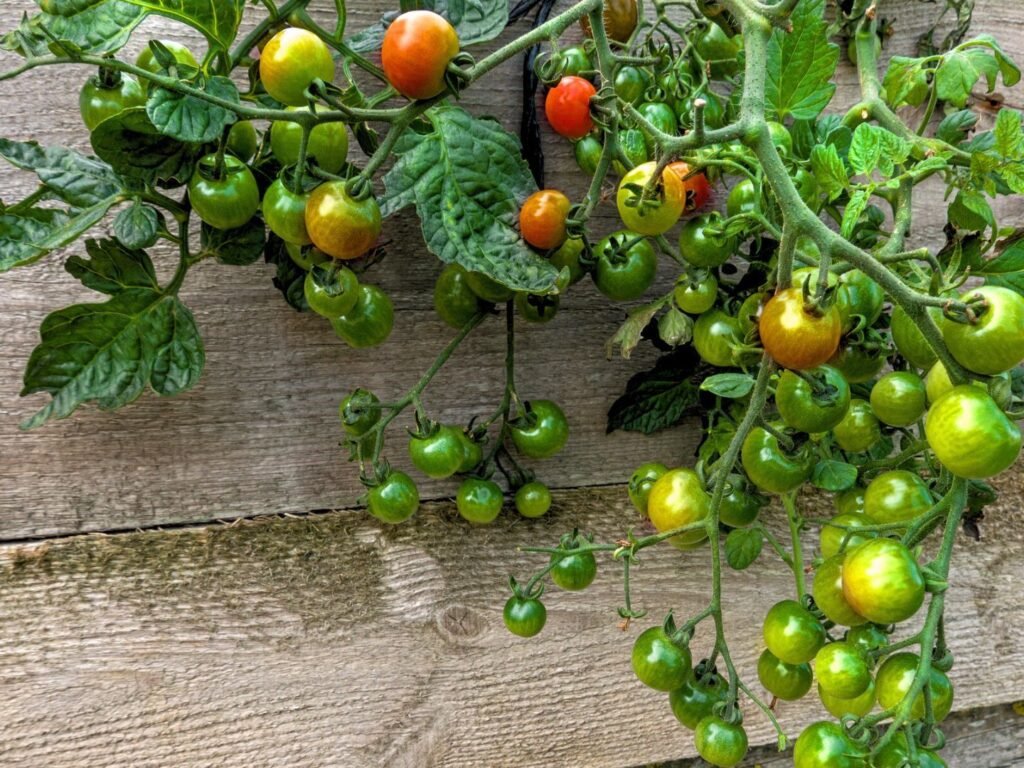
Upside-down tomatoes require consistent care:
- Watering: Gravity causes soil to dry faster, so check daily, especially in hot weather. Water thoroughly to keep soil moist but not soggy.
- Fertilization: Use a balanced liquid fertilizer every 2–3 weeks, or slow-release fertilizer at planting. Tomatoes are heavy feeders and need adequate nutrients to produce abundant fruit.
Mulching the soil surface inside the container can help retain moisture.
8. Supporting Growth
Even upside-down tomatoes benefit from some support:
- Use a small cage or tie the main stem gently to a string or hook.
- Remove any yellow or dead leaves to encourage healthy growth.
- Pinch off suckers if necessary to focus energy on fruit production.
9. Sunlight Requirements
Tomatoes need plenty of sunlight for healthy growth:
- Hang your containers in a location that receives at least 6–8 hours of direct sunlight daily.
- Rotate containers occasionally to ensure even light exposure.
- In extremely hot climates, provide partial shade during peak afternoon hours to prevent leaf scorch.
10. Pest and Disease Management
While upside-down gardening reduces some risks, it’s not immune to pests:
- Common pests: Aphids, whiteflies, spider mites.
- Diseases: Powdery mildew and leaf spot may still occur if foliage is crowded.
- Prevention:
- Inspect plants regularly.
- Use insecticidal soap or neem oil when necessary.
- Ensure proper airflow around hanging plants.
11. Pruning and Maintenance
- Prune only as needed to remove dead leaves and maintain airflow.
- Avoid heavy pruning, as it may stress the plant.
- Remove flowers in early stages if the plant appears stressed to encourage stronger root and foliage development.
12. Harvesting Tomatoes
Tomatoes grown upside down can produce fruit within 60–90 days, depending on the variety.
- Signs of ripeness:
- Firm but slightly soft when gently squeezed
- Bright, uniform color
- Pleasant aroma
- Pick fruit regularly to encourage continued production. Avoid letting overripe tomatoes remain on the plant, as this can attract pests and reduce overall yield.
13. Troubleshooting Common Issues
- Wilting leaves: May indicate underwatering or extreme heat. Check soil moisture.
- Yellowing leaves: Often caused by nutrient deficiency—fertilize appropriately.
- Falling fruit: Could be due to inconsistent watering or stress; maintain regular care.
- Weak plants: Ensure containers are large enough to support root growth and reduce the number of fruits if needed.
14. Creative Ideas for Upside-Down Gardening
- Balcony gardens: Hang containers along railings for a vertical garden.
- Patio décor: Use colorful buckets or decorative pots to add charm.
- Companion planting: Plant herbs like basil or oregano around the tomato seedling for natural pest control and enhanced flavor.
- Recycling: Repurpose old buckets, containers, or soda bottles to create eco-friendly hanging gardens.
15. Conclusion
Growing tomatoes upside down is an innovative and rewarding gardening method. By following proper planting techniques, providing consistent water and nutrients, and maintaining sunlight exposure, you can enjoy a bountiful harvest even in limited spaces. This method is perfect for urban gardeners, balcony growers, or anyone looking to maximize their garden’s potential while reducing pest and disease problems.
With patience, attention, and a little creativity, upside-down tomato gardening can transform your home into a lush, productive, and visually appealing space. Start experimenting today, and experience the joy of harvesting juicy, homegrown tomatoes that are as delicious as they are satisfying to grow.