Grafting may sound like a complicated gardening technique reserved for experts, but in reality, it is one of the easiest and most rewarding skills any home gardener can learn. With just a little practice and knowledge, you can graft fruit trees to improve their productivity, create new varieties, repair damaged plants, or even grow multiple fruits on a single tree. If you’ve ever dreamed of a “fruit cocktail tree” that bears different fruits on different branches, grafting is the secret behind it!
This complete, beginner-friendly guide breaks down grafting into simple steps. You’ll learn what grafting is, how it works, the tools you need, the easiest grafting techniques, and how to ensure successful growth—all explained in a clear, easy-to-follow way.
🍎 What Is Grafting?
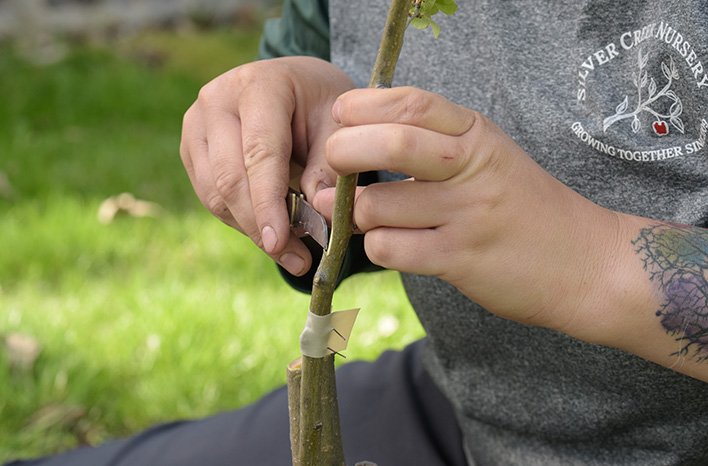
Grafting is a horticultural technique where two different plant parts are joined together so they grow as one.
- The rootstock (bottom part with roots) provides strength, disease resistance, and growth stability.
- The scion (top part with buds) determines the fruit variety, quality, and characteristics.
When done correctly, the vascular tissues of both parts fuse, forming a single, thriving plant.
🌱 Why Grafting Is a Game-Changer for Gardeners
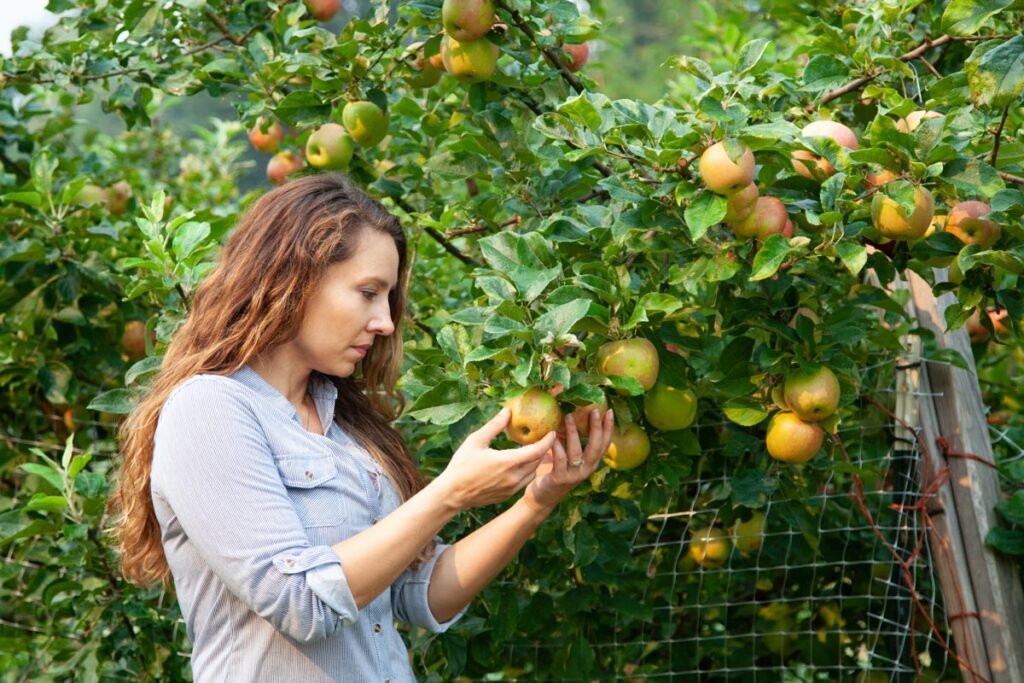
Grafting is used for many reasons, and understanding its benefits will show you why it’s such a powerful skill:
✔ Faster fruit production
Grafted trees produce fruit much sooner than those grown from seeds—sometimes in just 1–2 years.
✔ Preserve favorite varieties
If you have a tree that produces delicious fruits, grafting helps you clone it exactly.
✔ Grow multiple fruits on one plant
You can graft different varieties—like different mangoes or citrus—onto the same rootstock.
✔ Repair damaged trees
If your plant suffers from pests, broken branches, or sunscald, grafting can help restore it.
✔ Better adaptability
Rootstocks are chosen for disease resistance, drought tolerance, or soil compatibility—helping the scion grow well even in tough conditions.
🧰 Tools and Materials Needed
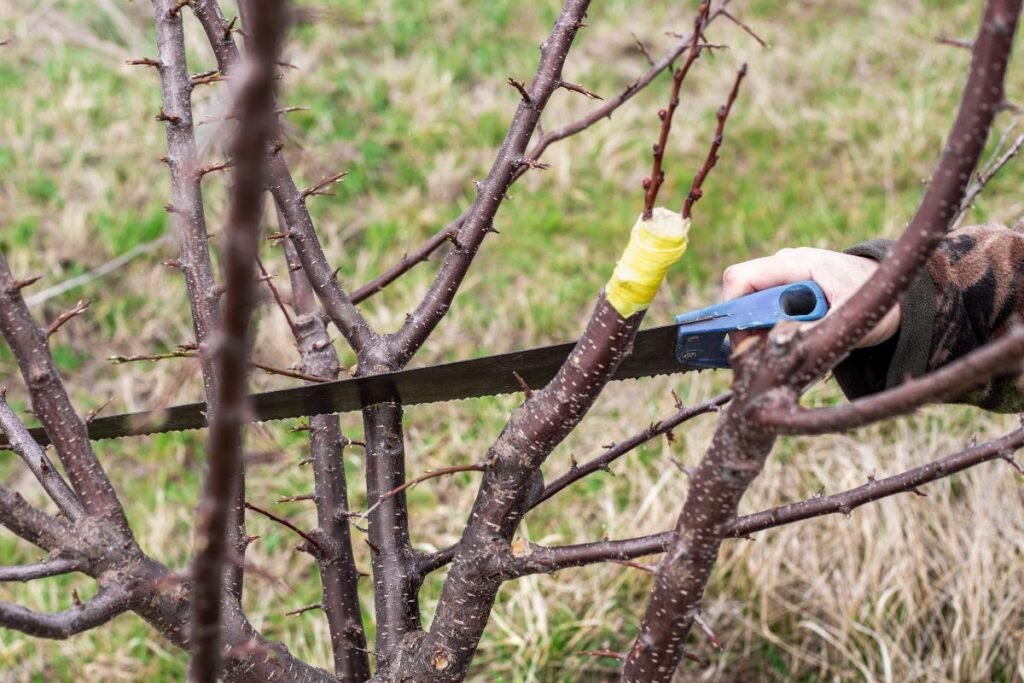
You don’t need expensive tools to start grafting. Here’s the basic kit:
- A sharp grafting knife or utility blade
- Pruning shears
- Grafting tape, parafilm, or stretchable plastic tape
- Alcohol for sterilizing tools
- Healthy scion wood from the desired plant
- Strong rootstock for grafting
- Optional: Grafting sealant or wax to protect exposed cuts
Clean, sharp tools are essential. Dull or dirty blades reduce the chances of success and increase infection risk.
🌿 Best Time to Graft
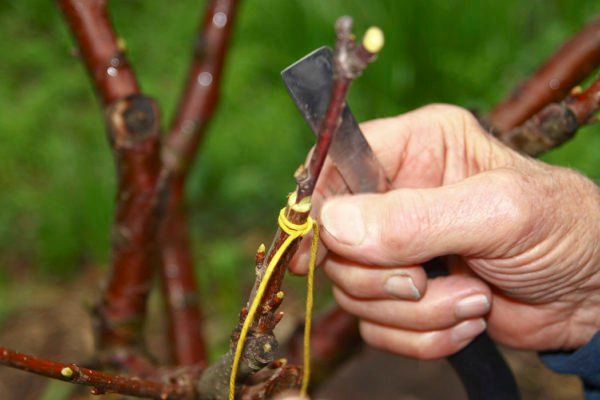
Timing greatly affects graft success.
🌸 Best time: Late winter to early spring
This is when the rootstock becomes active and the sap begins to flow, helping both parts fuse quickly.
🧊 Avoid winter dormancy
Cold temperatures slow healing.
🔥 Avoid summer heat stress
High temperatures dry out scions.
🌳 Choosing the Right Rootstock and Scion
Rootstock qualities to look for:
- Disease-resistant
- Adapted to your climate
- Strong and well-established
- Same species or compatible
(e.g., mango with mango, citrus with citrus, apple with apple)
Scion selection tips:
- Choose a healthy branch from last season’s growth
- Avoid diseased or insect-infested wood
- Pick branches with 2–3 buds
- Keep them fresh until grafting (wrap in moist cloth)
✂️ Easiest Grafting Methods for Beginners
Here are the simplest grafting techniques you can practice even as a complete beginner.
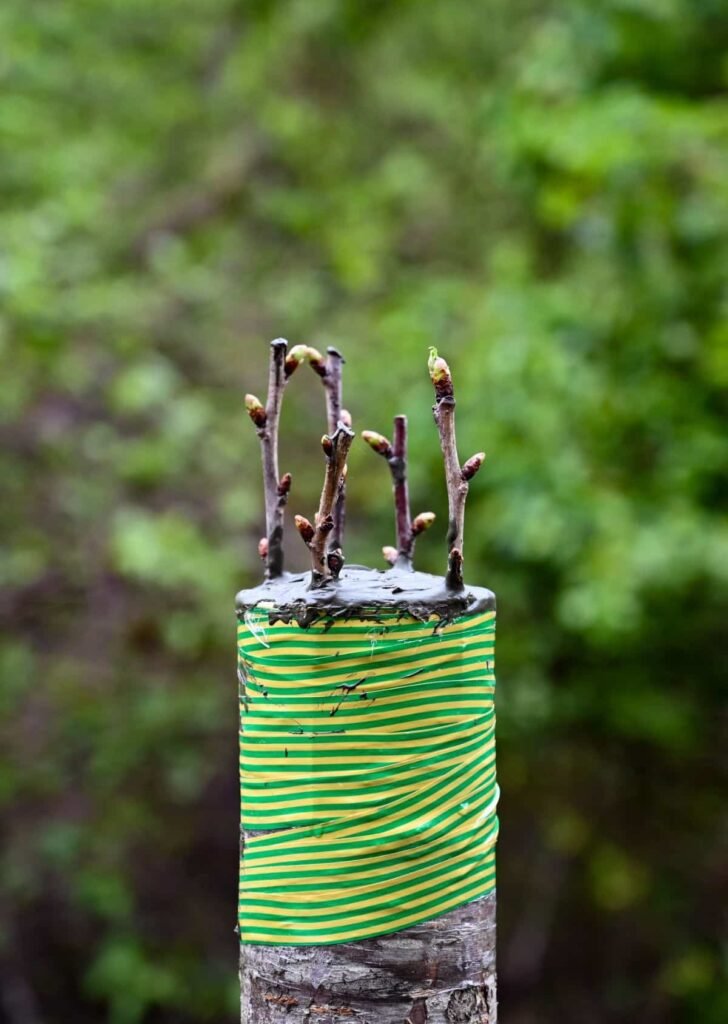
✨ 1. Cleft Graft (Perfect for Fruit Trees)
Best for:
Thicker rootstocks and thinner scions (like joining an older tree with a young branch).
Steps:
- Cut the rootstock straight across.
- Split the rootstock down the middle (about 2–3 inches deep).
- Shape the scion into a wedge.
- Insert the scion into the split, ensuring cambium layers touch.
- Wrap with grafting tape.
- Seal with wax (optional).
This method has a high success rate and is widely used for apples, pears, mangoes, and citrus.
✨ 2. Whip and Tongue Graft (Strong and Neat)
Best for:
Rootstock and scion of similar thickness.
Steps:
- Make a slanting cut on both rootstock and scion.
- Make a small tongue cut on each piece.
- Fit the two tongues together—they lock naturally.
- Wrap tightly with grafting tape.
This produces strong unions and high growth success.
✨ 3. Bud Grafting (Chip Budding / T-Budding)
Best for:
Citrus, roses, and young fruit trees.
Steps:
- Remove a healthy bud from the scion.
- Make a “T” shaped cut on the rootstock.
- Insert the bud into the slit.
- Wrap, leaving only the bud exposed.
This method is simple, fast, and economical—one branch can provide many buds.
🌞 Aftercare: Ensuring Your Graft Succeeds
Grafting doesn’t end once you tie the parts together. Proper aftercare ensures the union heals well and grows vigorously.
💧 1. Maintain Moisture but Avoid Overwatering
Rootstocks need moist (not soggy) soil for growth. Water deeply but allow the soil to drain well.
☀️ 2. Provide Indirect Sunlight
Direct harsh sunlight can dry the graft. Provide partial shade for the first 7–10 days.
🌱 3. Remove Competing Branches
Any branch below the graft union steals energy. Remove them regularly to help the graft thrive.
🍃 4. Check for Tape Tightness
As the graft grows, the tape may tighten and damage it. Loosen or remove tape after 3–5 weeks.
🛡 5. Protect from Pests
- Ants and aphids can disrupt sap flow
- Wrap with tree guard or apply neem oil to keep pests away
🌿 Common Grafting Mistakes to Avoid
Even beginners can succeed if they avoid these frequent errors:
- Using dull or dirty knives
- Grafting during extreme heat or cold
- Using dehydrated scions
- Poor alignment of cambium layers
- Loose wrapping that allows air to enter
- Forgetting aftercare like pruning or shading
Correct technique and patience are key.
🌸 How Long Does It Take for a Graft to Take?
- Bud grafts: 2–4 weeks
- Cleft or whip grafts: 4–8 weeks
- Full establishment: 3–6 months
Once new leaves start growing from the scion, you know the graft has succeeded.
🍊 Popular Fruit Trees You Can Graft Easily
- Mango
- Guava
- Lemon & other citrus
- Apple
- Peach
- Plums
- Pear
- Chiku (sapodilla)
- Pomegranate
Grafting can be done in most fruit trees with compatible rootstocks.
🌟 Final Thoughts: Grafting Is Easier Than You Think
Grafting is not only a useful skill but also an exciting journey in plant science. Whether your goal is to save an old tree, grow fruits faster, or experiment with new varieties, grafting empowers you to create stronger, more productive plants with your own hands.
With the techniques in this guide, you can begin grafting confidently—even as a beginner. Just remember the basics: choose fresh scions, use a healthy rootstock, ensure cambium contact, and provide proper aftercare.
Before long, you’ll witness the magic of two plants becoming one—and enjoy the fruits of your success!