Growing tomatoes is one of the most rewarding gardening experiences you can enjoy—even if you’re a beginner. Tomatoes adapt well to pots, raised beds, balconies, small yards, and even improvised containers. With just a little planning and the right techniques, you can harvest sweet, juicy, flavorful tomatoes right from your own home.
In this comprehensive 1200-word guide, you’ll learn everything you need: choosing varieties, preparing the soil, planting, caring for your plants, and boosting productivity. Let’s get started!
🍅 Tomatoes Made Easy: Your Step-by-Step Guide to Homegrown Success
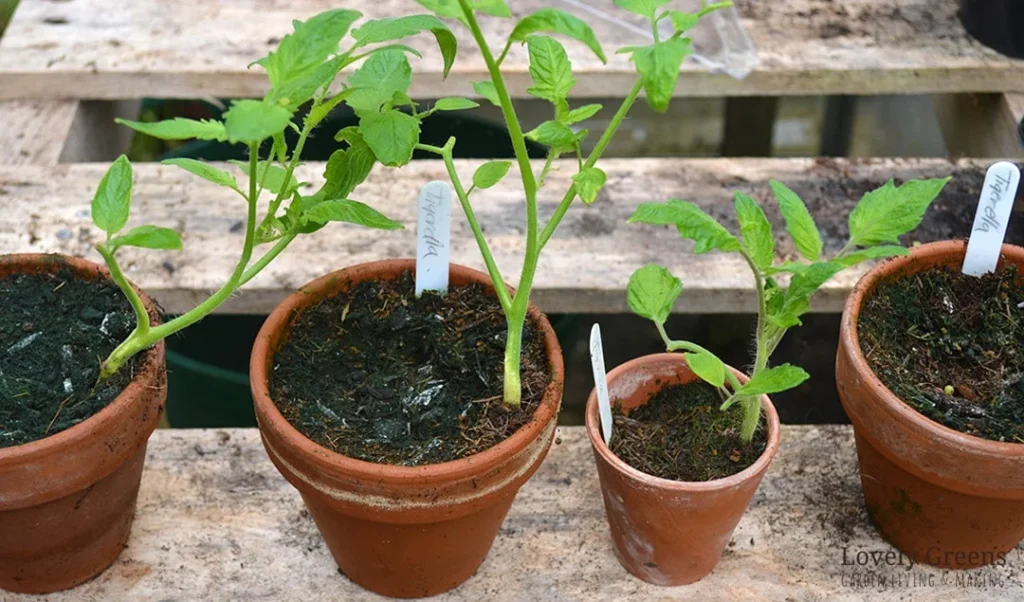
Growing tomatoes doesn’t need to be complicated. In fact, tomatoes are hardy plants that respond quickly to sunlight, organic matter, and consistent care. Whether you want cherry tomatoes, large slicers, or heirloom varieties, the basics of tomato-growing stay the same.
Below is your complete guide to growing tomatoes easily at home.
1. Choosing the Best Tomato Varieties
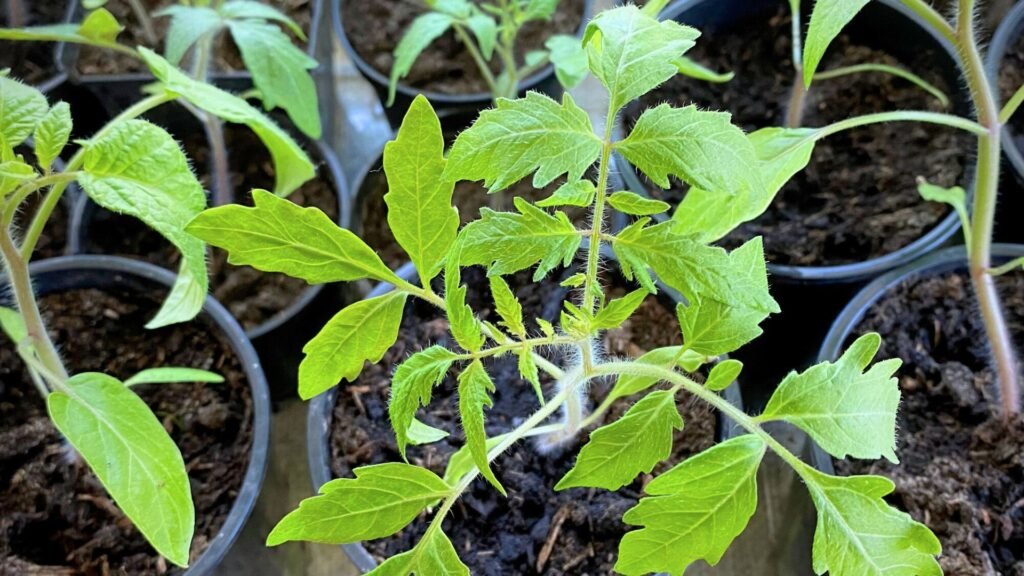
Not all tomatoes grow the same way. Some are perfect for pots, some for open gardens, and others for vertical structures.
✔ Determinate Varieties (Bush Type)
- Grow to a fixed size (usually 3–4 feet)
- Need minimal staking
- Produce fruits all at once
- Ideal for pots and small spaces
Examples: Roma, Patio, Celebrity, San Marzano.
✔ Indeterminate Varieties (Vine Type)
- Grow continuously until frost
- Need strong staking or cages
- Produce fruit throughout the season
Examples: Cherry tomatoes, Beefsteak, Brandywine, Sweet 100.
If you’re a beginner, determinate varieties are easiest. But if you want lots of tomatoes over several months, go for indeterminate.
2. Preparing the Perfect Soil Mix
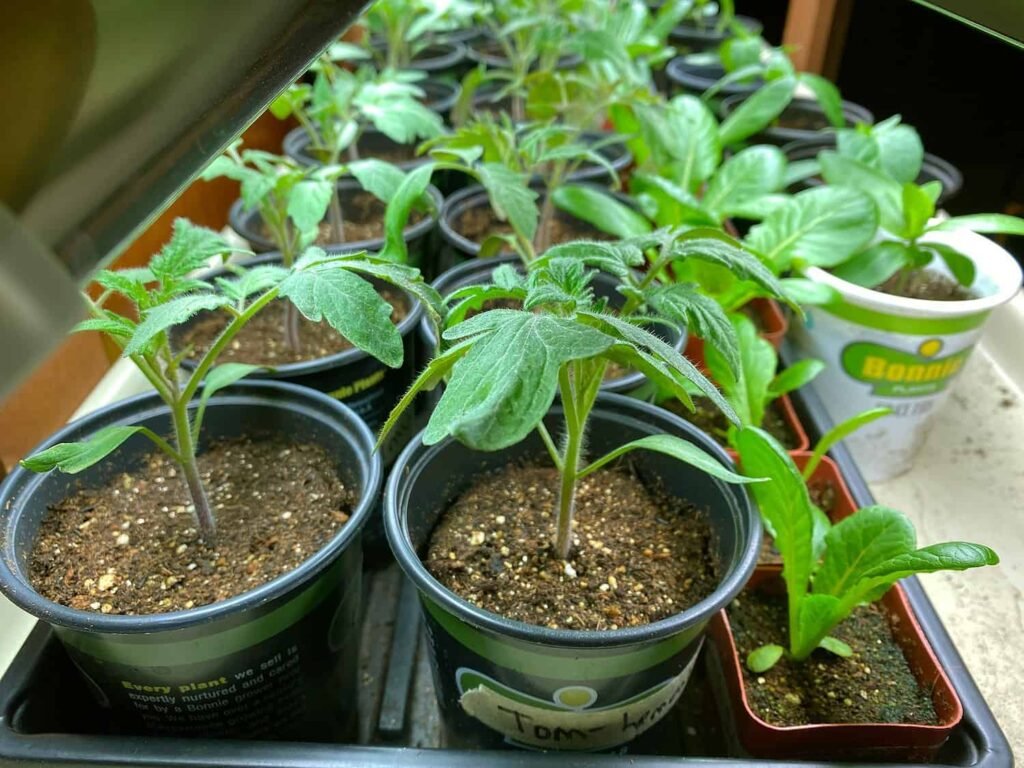
Tomatoes love rich, well-draining soil full of organic matter. Healthy soil means healthy plants—and lots of tomatoes.
🧪 Ideal Soil Mix
- 40% garden soil
- 30% compost or cow manure
- 20% cocopeat (keeps moisture balanced)
- 10% sand or perlite (for drainage)
🌱 Add Natural Boosters
- Crushed eggshells → adds calcium, prevents blossom-end rot
- Banana peel water → provides potassium
- Wood ash → boosts flowering in moderation
Mix everything well before planting.
3. Best Containers for Tomatoes
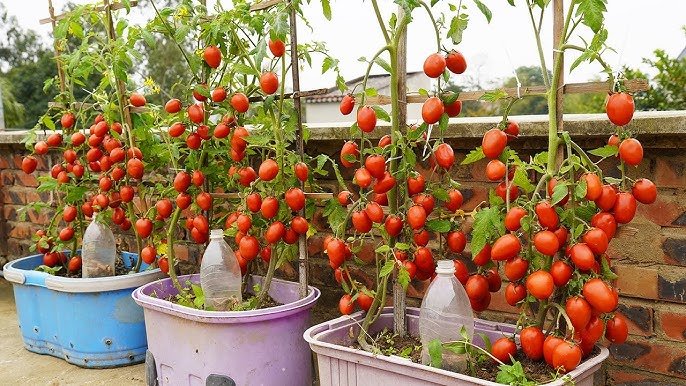
Tomatoes grow well in:
- Buckets
- Grow bags
- Large plastic containers
- Clay pots
- Raised beds
✔ Minimum container size:
15–20 liters for determinate varieties
30 liters or more for indeterminate types
Make sure your container has drainage holes. Tomatoes hate waterlogged roots.
4. Planting Tomato Seedlings
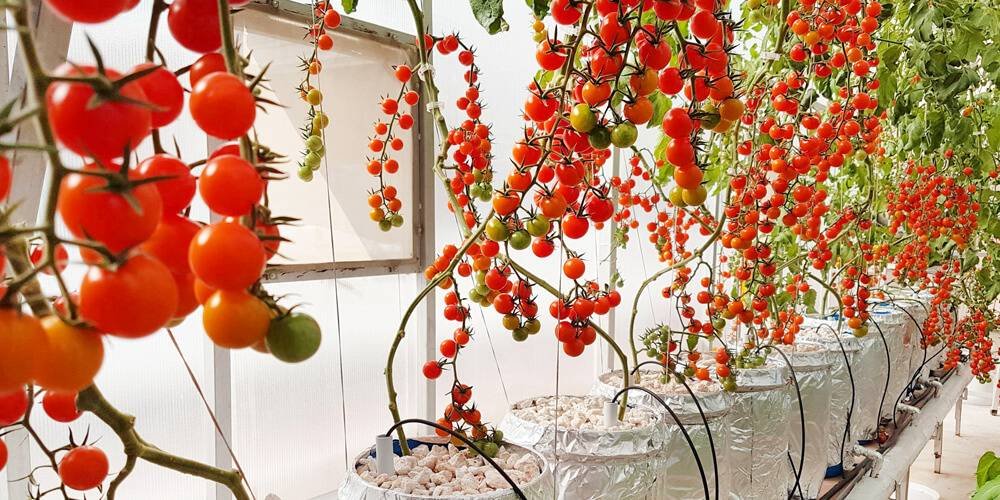
You can grow tomatoes from seed or buy seedlings. If using seeds, start them indoors or in trays until they grow 3–4 true leaves.
✔ Transplanting Technique
Plant seedlings deep—bury at least half of the stem.
Tomatoes grow roots along buried stems, making the plant stronger.
Distance between plants:
- 18 inches for pots
- 24–30 inches in garden beds
Water immediately after planting.
5. Sunlight Requirements
Tomatoes are sun-loving plants. More sunlight = more fruit.
☀ Ideal
- 6–8 hours of direct sun daily
Low sunlight results in:
- Tall, weak plants
- Fewer flowers
- Poor fruit development
If your balcony receives partial sun, choose cherry tomato varieties—they thrive even with moderate light.
6. Watering the Right Way
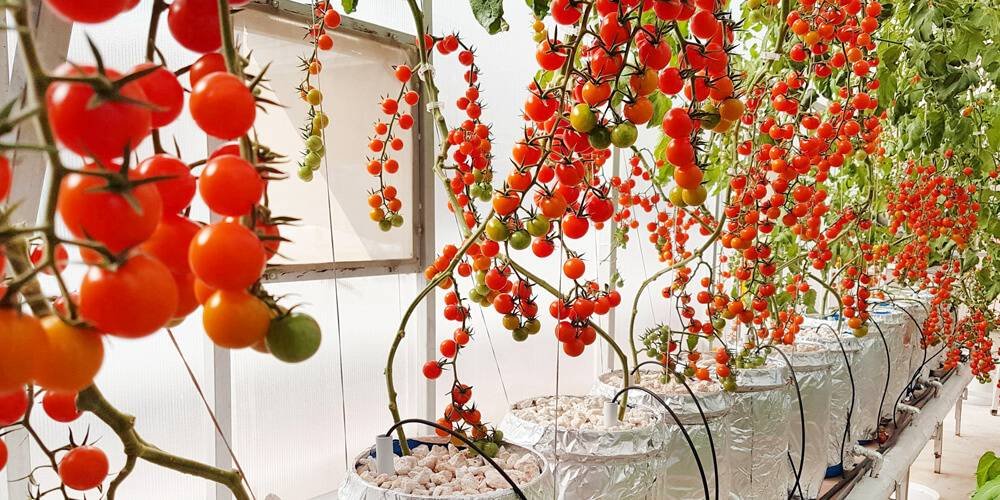
Tomatoes need consistent but not excessive water.
💧 Watering Tips
- Water deeply 2–3 times a week
- Keep the soil moist, not soggy
- Water in the morning
- Avoid wetting the leaves (reduces fungal diseases)
Mulch with dry leaves or straw to maintain moisture and reduce weeds.
7. Feeding Your Tomato Plants
Tomatoes are heavy feeders. To grow vigorously and produce lots of fruit, they need regular nutrition.
🍃 Fertilizer Schedule
Week 1–2:
- Compost tea
- Diluted cow dung tea
Week 3–5 (Vegetative Growth):
- High nitrogen fertilizers (vermicompost, seaweed extract)
Week 6 onwards (Flowering & Fruiting):
- Low nitrogen, high potassium & phosphorus
- Banana peel fertilizer
- Bone meal
- Wood ash
- Tomato-specific organic fertilizer
Feed every 15 days for continuous growth.
8. Supporting the Plants: Staking or Caging
Tomato plants need support to keep them upright, especially indeterminate varieties.
🪴 Options:
- Bamboo stakes
- Tomato cages
- String trellis
- Metal stakes
Tie the main stem loosely using soft cloth or garden tape.
Supporting plants improves:
- Airflow
- Sun exposure
- Fruit production
- Protection from bending or breaking
9. Pruning Tomato Plants
Pruning helps control growth and increases fruit production, especially for vine tomatoes.
✂ Prune the “suckers”
These grow between the main stem and branches. Removing them:
- Focuses energy on fruiting
- Keeps the plant healthy
- Reduces overcrowding
Do NOT prune determinate varieties, as it reduces yield.
10. Common Tomato Problems & Easy Solutions
1️⃣ Yellow Leaves
- Overwatering
- Lack of nitrogen
Solution: Improve drainage, add compost.
2️⃣ Blossom-End Rot
- Black patch at fruit bottom
- Caused by calcium deficiency
Solution: Add eggshell powder or calcium nitrate.
3️⃣ Flower Drop
- High temperatures
- Water stress
Solution: Water more consistently, add potassium.
4️⃣ Pests
- Aphids
- Whiteflies
- Caterpillars
Organic Remedies:
- Neem oil spray
- Soap water spray
- Garlic-chili spray
11. Harvesting Your Tomatoes
Tomatoes are ready to harvest when:
- They have full color (red, yellow, or orange depending on variety)
- The skin is shiny
- They feel slightly soft when pressed
Pick them gently to avoid damaging the plant.
Homegrown tomatoes have stronger aroma, sweeter taste, and richer flavor than store-bought ones.
12. Extra Tips for Super Success
🌿 Mulch Your Soil
Keeps weeds down and moisture stable.
🌸 Encourage Pollination
Shake the plant lightly during flowering.
🪱 Add Worm Castings
Improves soil fertility long-term.
🌡 Keep Plants Warm
Tomatoes love temperatures between 20–30°C.
🌟 Final Thoughts
Growing tomatoes at home is not just easy—it’s incredibly satisfying. With good soil, enough sunlight, regular feeding, and proper care, you can enjoy baskets of juicy, sweet tomatoes right from your own balcony, backyard, or kitchen garden.
Whether you’re a beginner or an experienced gardener, these simple steps will help you grow tomatoes successfully every single season.