Tomatoes are one of the most rewarding plants you can grow at home. Whether you have a big backyard, a small terrace, or just a sunny balcony, tomatoes thrive beautifully in almost any space. Their bright colors, rich flavor, and versatile use in countless dishes make them a favorite among home gardeners. If you’ve ever wondered how to grow your own tomatoes effortlessly, this complete 1200-word guide is exactly what you need.
Let’s explore the step-by-step secrets to successful home tomato farming—from selecting seeds to harvesting juicy, red fruits right from your garden.
1. Why Grow Tomatoes at Home?
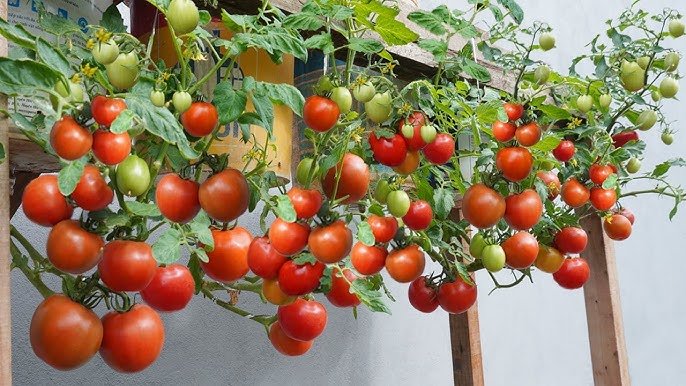
Homegrown tomatoes taste dramatically better than store-bought ones. They’re sweeter, juicier, and packed with flavor because they ripen naturally on the vine. Growing your own tomatoes also offers several benefits:
- Pesticide-free produce
- Low-cost and high-yielding
- Easy to grow, even for beginners
- Varieties available for small spaces
- A fun and educational gardening experience
Tomatoes are adaptable, productive, and perfect for any home garden setup.
2. Choosing the Best Tomato Variety
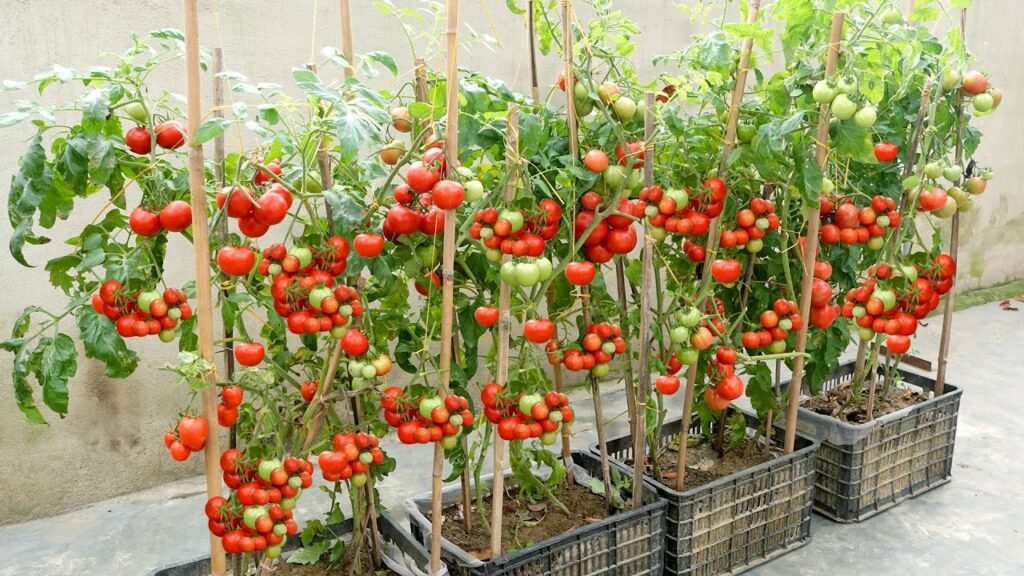
Before planting, choose the right type of tomato. There are two main categories:
1. Determinate (Bush) Tomatoes
- Compact growth
- Excellent for containers
- Produce fruits all at once
- Examples: Roma, Patio Princess, Bush Early Girl
2. Indeterminate (Vining) Tomatoes
- Grow tall and need support
- Produce fruits continuously
- Best for open gardens or large pots
- Examples: Cherry tomatoes, Beefsteak, Sungold
For beginners or small spaces, cherry and bush varieties are ideal because they’re hardy and produce abundantly.
3. Best Conditions for Growing Tomatoes at Home
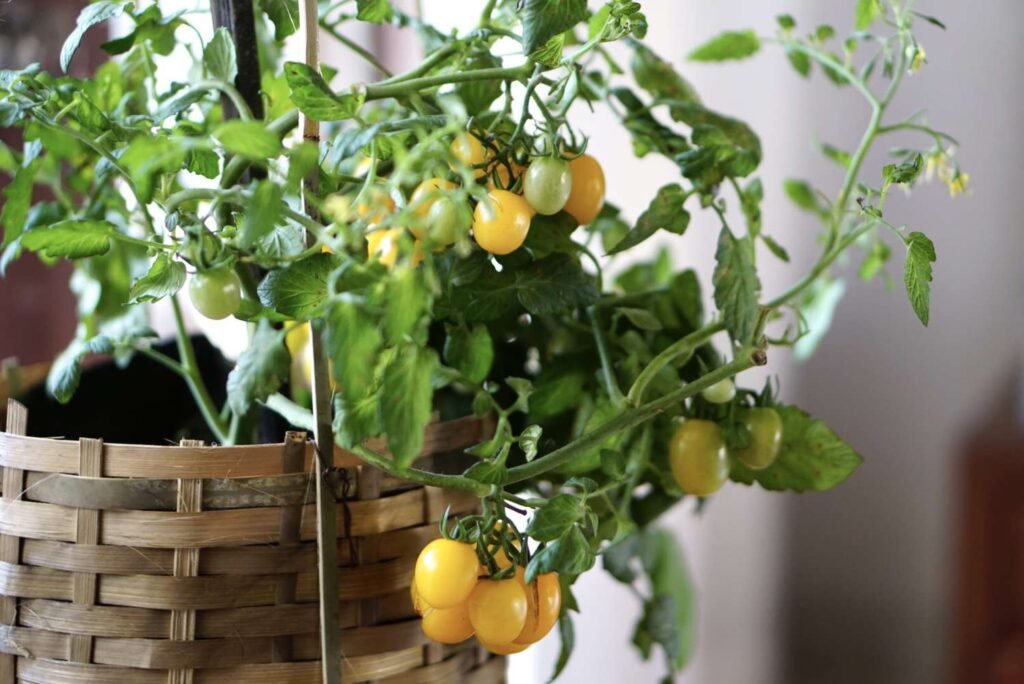
Tomatoes grow best in warm, sunny environments. Make sure your plants get:
- 6–8 hours of direct sunlight daily
- Temperatures between 20°C to 30°C
- Good airflow
- Space for roots to expand
- Support for stems and branches
If you’re growing indoors or in a shaded area, consider using grow lights to supplement sunlight.
4. Soil Preparation: The Foundation of a Healthy Tomato Plant
Tomatoes love loose, fertile, well-drained soil. Here’s the perfect soil mix for container or garden growing:
- 40% garden soil
- 30% compost or cow dung manure
- 20% cocopeat or sand
- 10% perlite or vermiculite for drainage
Add a handful of:
- Neem cake (prevents pests)
- Bone meal (supports root development)
- Wood ash (boosts potassium for fruiting)
Healthy soil boosts plant growth and increases yield.
5. Planting Tomatoes: Seeds or Seedlings?
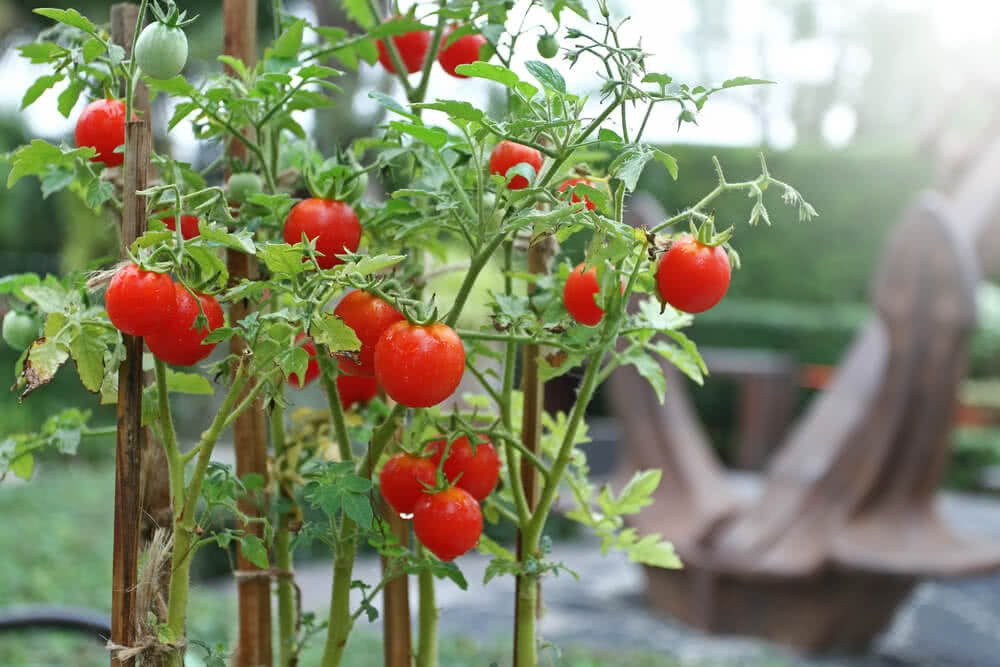
Tomatoes grow well from both seeds and nursery seedlings.
Sowing Seeds
- Use a seed tray or small pots.
- Sow seeds 0.5 cm deep.
- Keep soil moist, not soggy.
- Seeds sprout in 5–10 days.
- Transplant when seedlings are 10–15 cm tall.
Using Seedlings
Choose seedlings with:
- Thick stems
- Dark green leaves
- No signs of disease
When transplanting, bury 50% of the stem underground. Tomatoes grow extra roots along buried stems, making the plant stronger.
6. The Right Container or Garden Bed

If you’re growing in pots, choose:
- Minimum 12–16 inch pot for one plant
- Fabric grow bags or plastic pots
- Proper drainage holes
For ground planting:
- Space plants 18–24 inches apart
- Keep rows 1 meter apart
- Use raised beds for better root growth
7. Watering Tomatoes Correctly
Tomatoes need consistent moisture but dislike waterlogged soil.
Watering Tips
- Water deeply 2–3 times a week
- Avoid watering leaves—water at the base
- Use mulch (dry leaves, straw) to retain moisture
- Increase watering in flowering and fruiting stages
- Reduce watering slightly when fruits are ripening to enhance sweetness
Irregular watering leads to blossom end rot, cracking, and poor fruit quality.
8. Feeding Your Tomato Plants
Tomatoes are heavy feeders. For healthy growth, follow this fertilizing schedule:
Stage 1: Early Growth (1–4 weeks)
- Compost tea
- Nitrogen-rich fertilizers
Stage 2: Flowering
- Bone meal
- Banana peel tea
- Seaweed extract
Stage 3: Fruiting
- Potassium-rich fertilizers
- Wood ash
- Vermicompost
Feed every 10–12 days for maximum yield.
9. Supporting Tomato Plants with Stakes or Cages
Tall tomatoes need support to grow vertically and prevent stems from breaking. Use:
- Bamboo stakes
- Tomato cages
- Trellis systems
- Strings tied overhead
Tie the plant gently using soft cloth or garden ties. Strong support helps plants produce larger and cleaner fruits.
10. Pruning for Higher Yield
Pruning helps redirect energy to fruit production instead of excess foliage.
How to Prune Tomatoes
- Remove lower leaves touching the soil
- Pinch off “suckers” between stems
- Allow 2–3 main stems for best results
- Cut off dried or diseased branches
Pruning improves airflow, controls diseases, and enhances fruit size.
11. Pollination Tips
Tomatoes are self-pollinating, but you can improve pollination by:
- Shaking the plant gently during flowering
- Attracting bees using marigolds or basil
- Using a small brush to transfer pollen
Good pollination means more fruits.
12. Common Tomato Pests and Solutions
Watch out for:
- Aphids
- Whiteflies
- Caterpillars
- Fungal diseases
- Powdery mildew
Natural Remedies
- Neem oil spray
- Soap water spray
- Garlic and chili spray
- Remove infected leaves early
Use organic controls to keep your tomatoes chemical-free.
13. Harvesting: When Are Tomatoes Ready?
Tomatoes change color as they ripen. Signs of a ready-to-harvest tomato:
- Full, deep color (red, yellow, or orange depending on variety)
- Slightly soft when pressed
- Glossy skin
- Easily detaches from vine
Pick tomatoes regularly to encourage more fruit production.
14. Enjoying the Fruits of Your Labor
Homegrown tomatoes can be used fresh or cooked:
- Salads
- Sandwiches
- Sauces
- Soups
- Curries
- Pickles
- Juices
The natural sweetness and rich flavor elevate any dish.
Final Thoughts
Home tomato farming is simpler than you think. With the right care, proper sunlight, good soil, and regular feeding, anyone can grow fresh, juicy tomatoes at home—whether in pots, grow bags, balconies, or garden beds.
Growing tomatoes is not just about producing food—it’s about the joy of nurturing a plant and harvesting something you grew with your own hands. Start with one plant, follow the steps in this guide, and soon you’ll be enjoying delicious tomatoes straight from your garden.