Gardens are magical, living spaces that can be shaped, expanded, and enriched in endless ways. Yet many gardeners overlook one of the most transformative secrets in landscaping: climbing plants. These vertical growers can turn plain walls into living tapestries, pergolas into shaded retreats, and fences into fragrant, colorful passages. Whether your garden is large or small, climbing plants offer limitless possibilities to enhance beauty, structure, and charm.
In this comprehensive guide, we explore how climbing plants can dramatically transform your garden, the best varieties to choose, and how to grow and train them for stunning results.
🌱 Why Climbing Plants Are a Game Changer in Garden Design
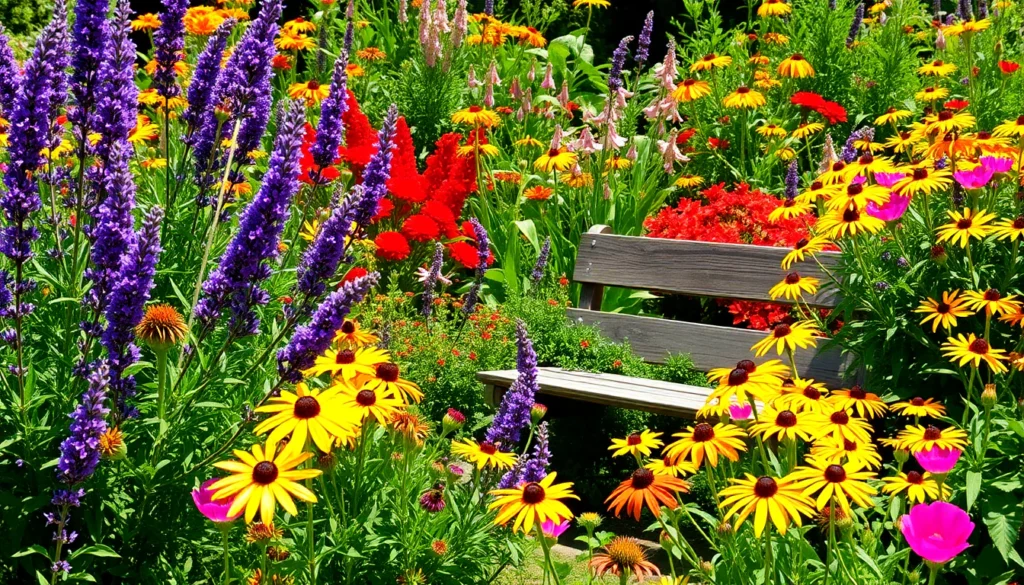
Climbing plants are unique because they grow upward, using structures like trellises, walls, or ropes for support. This allows gardeners to create a lush, full garden without taking up much ground space.
Benefits of Climbing Plants
✔ Maximize Small Spaces
Vertical gardening lets you green up narrow passages, balconies, and patios.
✔ Instant Beauty and Coverage
Climbers quickly cover unattractive walls, old fences, or storage sheds.
✔ Add Shade and Freshness
Climbers on pergolas or arbors create natural cool shade during sunny days.
✔ Invite Birds & Butterflies
Flowering climbers attract pollinators, making your garden lively and vibrant.
✔ Create Privacy
Dense climbing foliage helps shield your garden from neighbors or traffic.
✔ Improve Air Quality
More green surface area means more natural purification of air.
By bringing life into vertical spaces, climbing plants elevate your garden’s design without requiring major modifications.
🌿 Understanding How Climbers Grow: Types of Climbing Plants
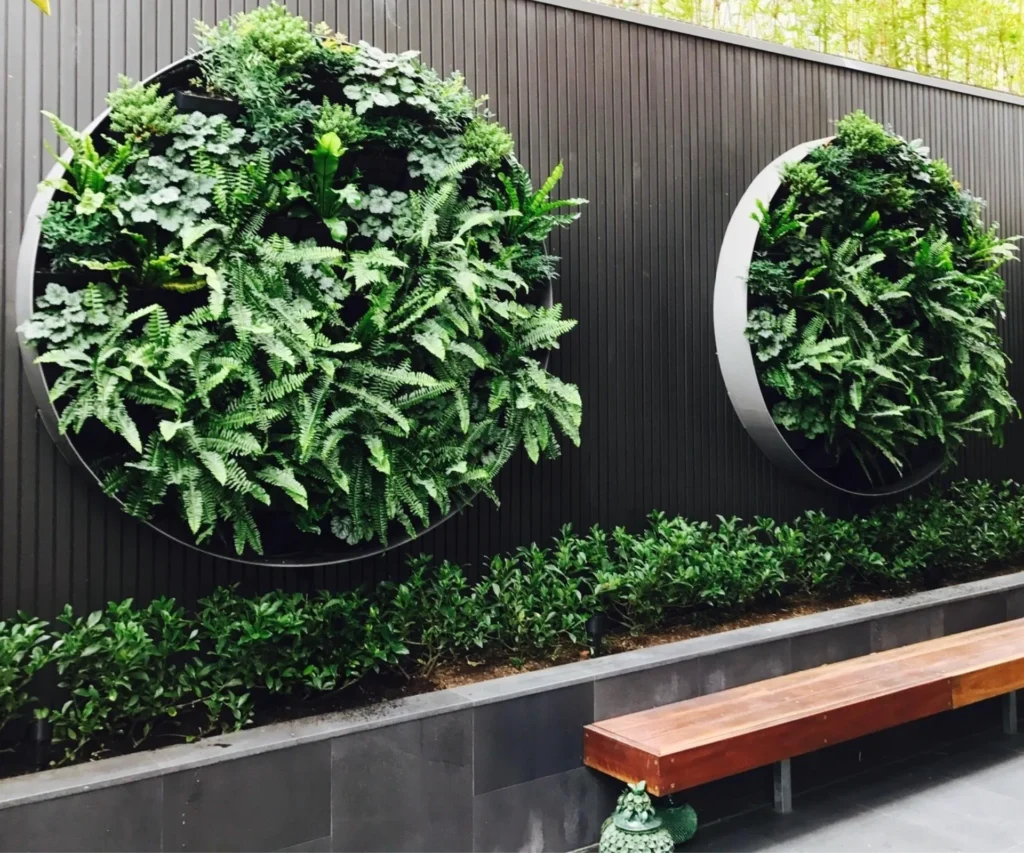
Not all climbers grow the same way. Knowing their natural growth style helps you provide the right support and structure.
1. Twining Climbers
These plants wrap their stems around poles, ropes, or trellises.
Examples: Jasmine, Morning Glory, Black-eyed Susan vine.
2. Tendril Climbers
They use small tendrils that grab onto wires or thin supports.
Examples: Passionflower, Grapevines, Sweet Peas.
3. Root Climbers
These use tiny aerial roots that cling to walls and surfaces.
Examples: English Ivy, Climbing Hydrangea.
4. Clingers (with adhesive pads)
These attach themselves through sticky pads.
Examples: Virginia Creeper.
5. Scramblers
They need tying or training because they don’t cling naturally.
Examples: Bougainvillea, Roses.
Choosing the right plant for your space depends on the support you can provide.
🌸 Top Climbing Plants to Transform Your Garden
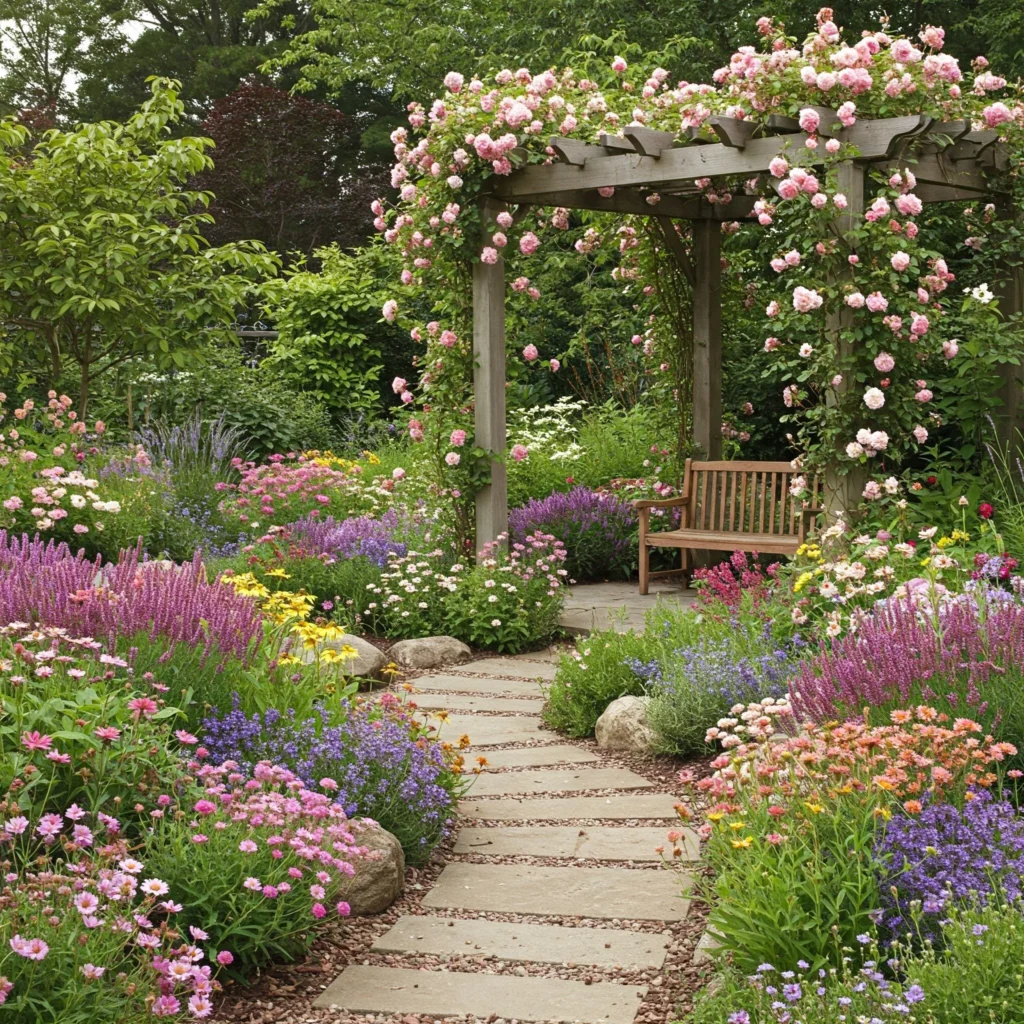
Here is a list of the most beautiful, fast-growing, and garden-friendly climbers you can choose from:
🌼 1. Jasmine (Jasminum spp.)
- Why it’s popular: Highly fragrant flowers
- Growth: Twining climber
- Best for: Pergolas, trellises, entryways
Jasmine’s heavenly scent makes evenings magical. It grows quickly and blooms abundantly.
🌺 2. Bougainvillea
- Why it’s popular: Vibrant colors and drought tolerance
- Growth: Scrambler
- Best for: Fences, walls, large open spaces
Bougainvillea brings tropical charm with its showy pink, purple, or orange bracts.
🌸 3. Passionflower (Passiflora)
- Why it’s popular: Exotic, unique blooms; edible fruits in some varieties
- Growth: Tendril climber
- Best for: Vertical trellises, fences
Its intricate flowers look like masterpieces—perfect for ornamental gardens.
🌿 4. English Ivy
- Why it’s popular: Evergreen all year
- Growth: Root climber
- Best for: Walls, shaded areas
Ivy creates a charming, classic look. It grows well in cooler or low-light corners.
🌹 5. Climbing Roses
- Why it’s popular: Romantic appearance and fragrant blooms
- Growth: Scrambler (needs support)
- Best for: Arches, garden entrances
Create a dreamy, fairytale-like garden with beautiful rose-covered arches.
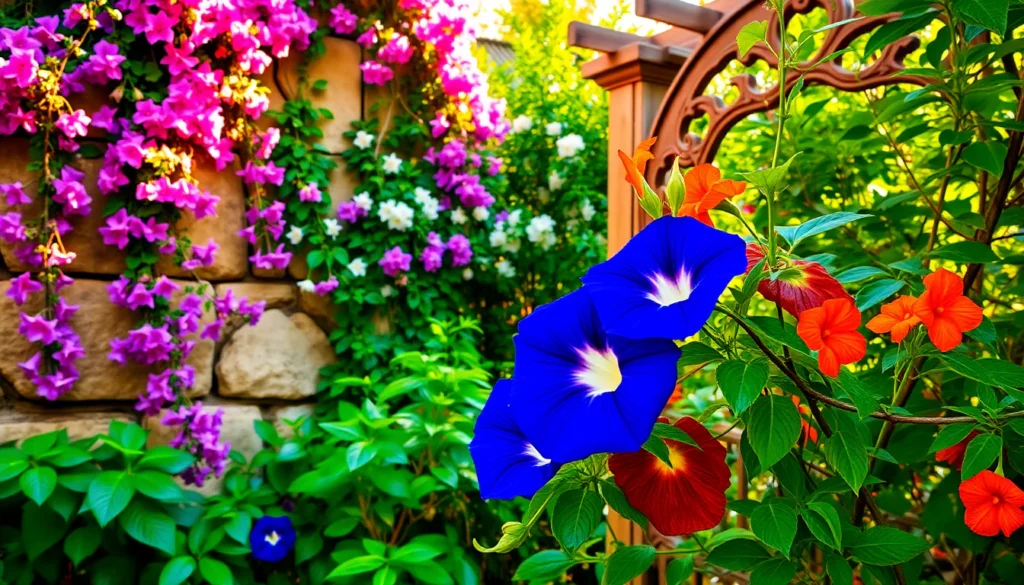
💜 6. Morning Glory
- Why it’s popular: Fast-growing and vibrant trumpet-shaped flowers
- Growth: Twiner
- Best for: Fences, balconies, railings
They add quick color and attract pollinators like bees and butterflies.
🍇 7. Grapevines
- Why it’s popular: Beauty + fruit production
- Growth: Tendril climber
- Best for: Pergolas and shaded sitting areas
Grapevines create stunning green canopies—plus you get fresh grapes!
🛠 How to Train and Support Climbing Plants for Beautiful Results
Planting a climber is just the first step. Proper support helps them grow beautifully and stay healthy.
1. Choose the Right Support Structure
Different climbers need different setups.
Trellises
Perfect for jasmine, clematis, morning glory, and sweet peas.
Can be wooden, metal, or even bamboo.
Pergolas and Arbors
Ideal for roses, grapevines, passionflower, and wisteria.
They create shaded walkways and seating areas.
Fences
Great for bougainvillea, vines, and fast climbers.
Walls
For root climbers like English ivy or clinging plants like Virginia creeper.
Ropes and Wires
Useful for lightweight climbers and vertical vegetable gardening.
2. Guide the Plant Early
Most climbers need direction when young:
- Gently tie stems with soft twine
- Regularly tuck new shoots onto the support
- Avoid tight binding that may damage stems
Training early ensures a balanced, attractive shape.
3. Pruning: The Secret to Lush Growth
Climbing plants often grow vigorously. Pruning helps maintain shape and encourage flowering.
General pruning rules
- Remove dead or weak stems
- Cut old wood to encourage new growth
- Shape the plant according to the support
- Prune after flowering for species that bloom once a year
Regular pruning prevents the plant from becoming tangled or woody.
💧 Caring for Your Climbing Plants
Even though many climbers are hardy, proper care keeps them thriving.
1. Watering
- Keep soil moist for young plants
- Reduce watering once established
- Avoid waterlogging
2. Fertilizing
Use a balanced fertilizer during growing season:
- Nitrogen for foliage
- Phosphorus for flowers
- Potassium for overall strength
For blooming climbers, avoid excessive nitrogen to prevent leafy growth with fewer flowers.
3. Mulching
Mulch helps retain moisture, reduce weeds, and regulate temperature.
4. Pest & Disease Prevention
Keep an eye out for:
- Aphids
- Mealybugs
- Fungal infections
Use neem oil or organic sprays when needed.
🌤 Best Locations for Growing Climbing Plants
✔ Sunny Spots
Roses, bougainvillea, morning glory, and jasmine love full sun.
✔ Partial Shade
Clematis, climbing hydrangea, English ivy enjoy filtered sunlight.
✔ Fully Shaded Areas
Only a few root climbers thrive here, such as ivy and certain ferns.
Knowing where each plant thrives helps you plan a successful vertical garden.
🌳 Creative Ways to Use Climbing Plants in Your Garden
Climbers can dramatically enhance your garden’s look when used creatively.
1. Create a Living Wall
Use ivy, jasmine, or Virginia creeper to cover dull walls with green beauty.
2. Build a Flower Tunnel
Grow roses, jasmine, or wisteria over an arch for a dreamy entrance.
3. Shade Your Patio Naturally
Let grapevines or bougainvillea grow over pergolas for a cool, relaxing space.
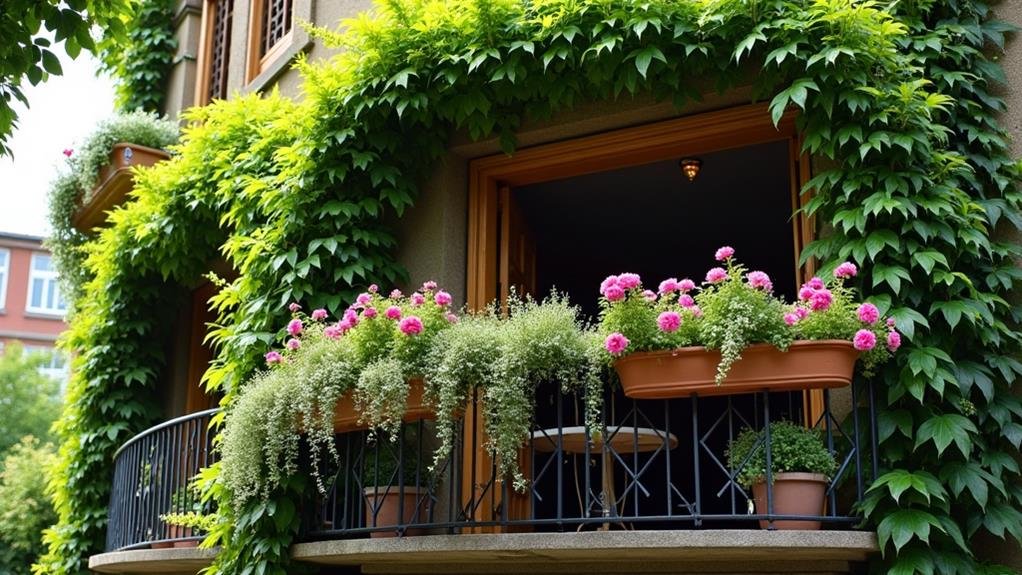
4. Grow Climbers in Pots
Balcony gardening? No problem.
Use tall trellises for morning glory, passionflower, or star jasmine.
5. Hide Utilities or Storage Areas
Climbers can cover:
- Water tanks
- Old sheds
- Boundary walls
- Garbage areas
Turning eyesores into elegant features.
🌸 Choosing the Right Climber for Your Purpose
For fragrance:
Jasmine, Honeysuckle, Climbing Roses
For fast coverage:
Ivy, Virginia Creeper, Morning Glory
For color:
Bougainvillea, Clematis, Thunbergia
For shade:
Grapevines, Wisteria
For small spaces:
Star jasmine, Sweet peas, Miniature climbing roses
🌿 Final Thoughts: Let Your Garden Grow Upward
Climbing plants offer unparalleled beauty, variety, and creativity in garden design. They can turn ordinary spaces into enchanted green retreats—full of color, fragrance, texture, and life.
Whether you want to hide a plain wall, create shade, attract pollinators, or simply add charm, climbers are the perfect solution. With the right choice of plants, proper supports, and simple care, you can transform your garden into a stunning vertical paradise.