Imagine stepping into your garden and plucking fresh coconuts from a tree you nurtured yourself. Coconut trees are not only iconic tropical plants but also provide nutritious fruits, refreshing water, and an aesthetic appeal to your backyard or home garden. While coconuts are commonly associated with tropical climates, it’s possible to grow your own coconut tree at home with proper care, planning, and patience.
In this comprehensive guide, we’ll explore everything from selecting a coconut to planting, caring, and harvesting, so you can enjoy the satisfaction of growing your own coconut tree.
🌱 Introduction: Why Grow a Coconut Tree at Home?
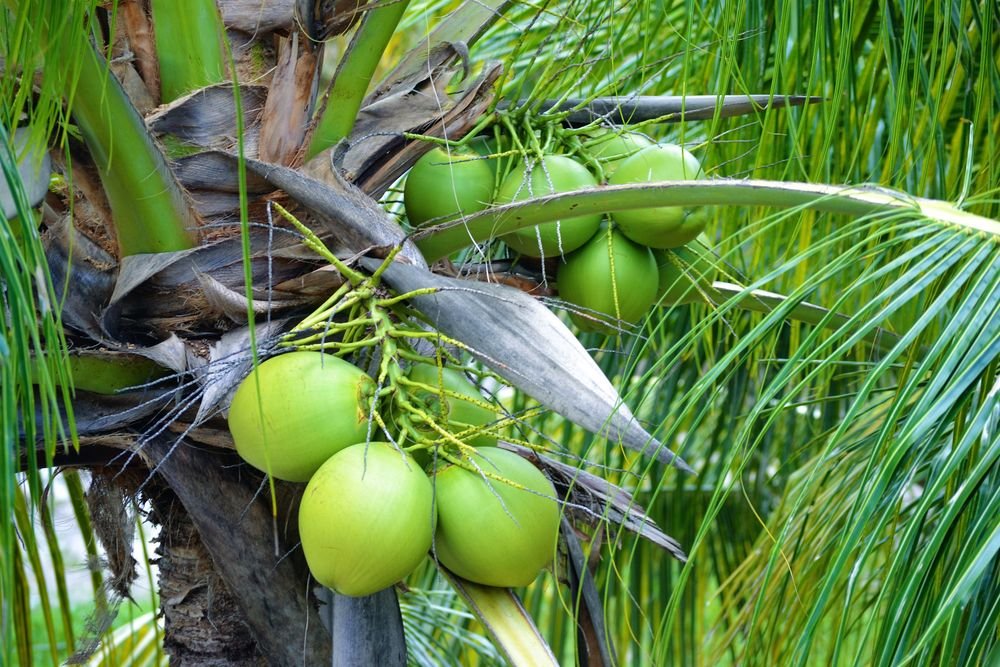
Coconut trees offer numerous benefits:
- Nutritious fruits: Fresh coconut water, coconut meat, and oil are highly beneficial.
- Air purification: Like many plants, coconut palms contribute to cleaner air.
- Aesthetic appeal: Tall, graceful fronds add a tropical look to any garden.
- Sustainable source: A homegrown coconut tree reduces reliance on store-bought coconuts.
- Educational experience: Watching a coconut grow from seed to a fruit-bearing tree is a fascinating journey.
Growing a coconut tree at home is a long-term project, but the rewards are both beautiful and practical.
🌴 Step 1: Selecting the Right Coconut for Planting
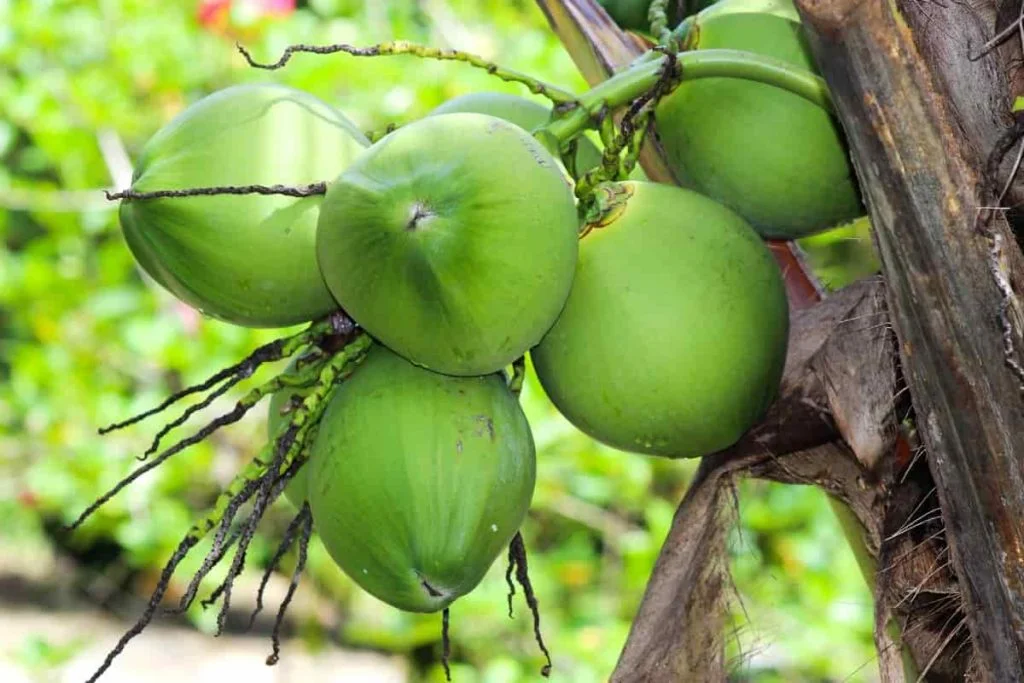
The first step in growing a coconut tree is selecting a healthy coconut.
Tips for Choosing the Right Coconut:
- Choose a mature coconut with husk intact
- Look for a brown coconut (mature) rather than a green one
- Shake it; you should hear the water sloshing inside
- Avoid coconuts with cracks, mold, or signs of pest damage
Tip: A coconut with water inside indicates it’s viable for sprouting.
🌱 Step 2: Germination Process
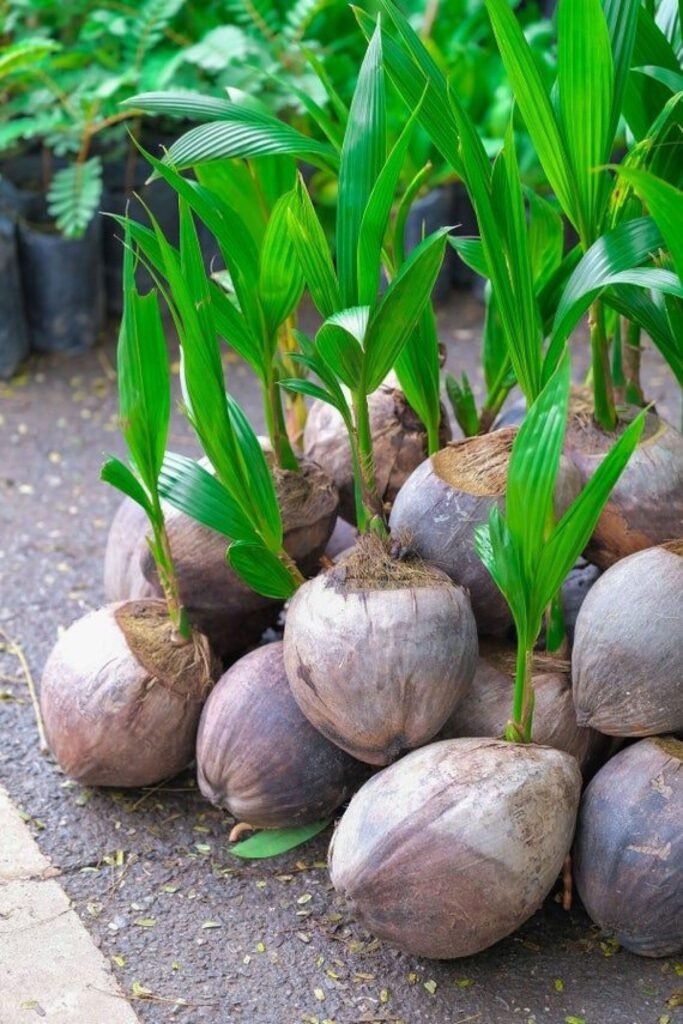
Coconut germination is the most critical step. It can take 3–6 months, so patience is key.
Germination Steps:
- Soak the coconut in water for 2–3 days to soften the husk
- Fill a large container or plastic bag with moist sand, soil, or a mixture of sand and compost
- Place the coconut on its side with the pointed end slightly upward
- Keep it in a warm, shaded area
- Maintain moisture, but avoid waterlogging
Tip: Cover the coconut lightly to retain humidity and warmth.
🌴 Step 3: Choosing the Planting Location
Coconut trees thrive in sunlight and well-drained soil.
Location Tips:
- Full sun exposure (at least 6–8 hours per day)
- Avoid areas with stagnant water
- Ensure enough space for a mature tree (up to 20–30 feet wide)
Soil Requirements:
- Sandy loam is ideal
- pH: 5–8
- Rich in organic matter to support healthy growth
Tip: If space is limited, you can grow coconuts in large containers for the first few years.
🌱 Step 4: Planting the Coconut Tree
Once the coconut has sprouted, it’s ready for planting.
Planting Steps:
- Dig a hole twice the size of the coconut sprout
- Mix compost or organic manure into the soil
- Place the sprouted coconut upright, keeping the shoot above ground
- Fill the hole gently with soil
- Water immediately to settle the soil
Tip: Mulch around the base with organic material to retain moisture and reduce weed growth.
💧 Step 5: Watering Your Coconut Tree
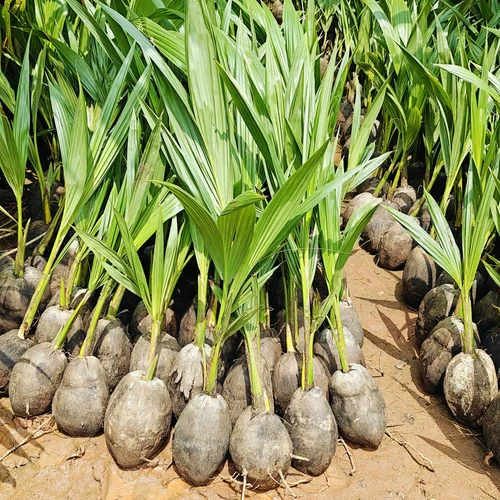
Coconut palms are tropical plants and require consistent moisture.
Watering Tips:
- Water 2–3 times per week for young plants
- Reduce watering slightly for mature trees unless soil dries out
- Avoid waterlogging, which can cause root rot
Tip: Rainwater is ideal if available, as it’s free of chemicals that may harm growth.
🌴 Step 6: Fertilizing Coconut Trees
Proper nutrition is crucial for healthy growth and fruit production.
Fertilizer Options:
- Organic: compost, cow manure, coconut husk compost
- Chemical: NPK fertilizer rich in potassium, nitrogen, and phosphorus
Feeding Schedule:
- Young plants: every 2–3 months
- Mature trees: 3–4 times a year
Tip: Apply fertilizer in a circle around the tree, keeping it a few inches away from the base to avoid root burn.
🌱 Step 7: Supporting Young Coconut Plants
Young coconut palms are delicate and require protection:
- Stake young plants to prevent damage from wind
- Use shade netting in extremely sunny or hot regions
- Monitor for pests like caterpillars or mites
Tip: Regular inspection ensures healthy growth and prevents early plant loss.
🌴 Step 8: Pruning and Maintenance
Coconut trees require minimal pruning, but maintenance helps health and productivity:
- Remove dead or yellow fronds
- Clear fallen debris around the base
- Maintain a clean area to prevent pests and fungal infections
Lesson Learned: Minimal but consistent care promotes faster growth and reduces disease risks.
🌞 Step 9: Pest and Disease Management
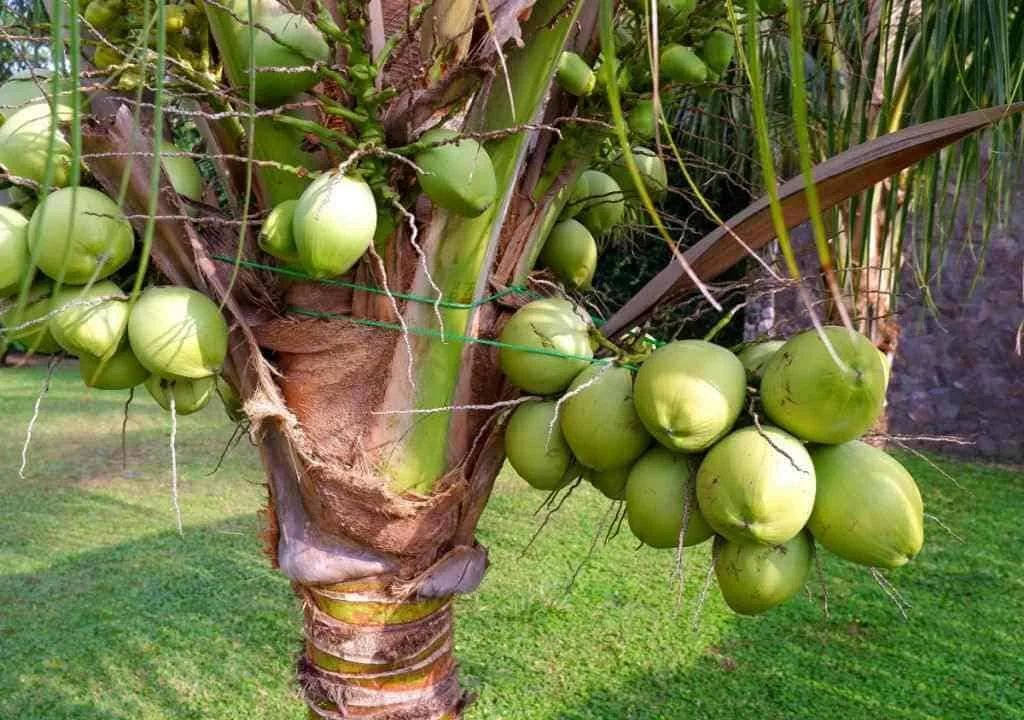
Coconut trees are generally hardy but can face pests and diseases:
Common Pests:
- Coconut mites
- Caterpillars
- Aphids
Common Diseases:
- Leaf spot
- Root wilt
- Bud rot
Solutions:
- Organic sprays like neem oil
- Regular inspection and early removal of affected fronds
- Maintain good soil drainage and sunlight exposure
🌴 Step 10: Harvesting Coconuts
Coconut trees usually bear fruit 6–10 years after planting, depending on variety and care.
Harvesting Tips:
- Harvest mature coconuts (brown, with water inside)
- Use a long stick or climb carefully for taller trees
- Remove old fruits to promote new fruiting
Tip: Young trees in containers may take longer, but patience is rewarded with fresh, homegrown coconuts.
🌿 Step 11: Growing Coconuts in Containers (Optional)
For small gardens or balconies, growing coconuts in containers is possible:
- Use large, sturdy pots (at least 20–25 gallons)
- Ensure proper drainage
- Rotate plants occasionally for sunlight
- Fertilize regularly and maintain moisture
Tip: Container-grown trees may not fruit as quickly but are ideal for tropical aesthetics and home gardening practice.
🌟 Step 12: Lessons Learned from Growing Coconut Trees at Home
- Patience is essential: Coconut trees grow slowly; fruiting may take years.
- Sunlight is crucial: Without full sun, growth slows significantly.
- Soil and drainage matter: Sandy, well-draining soil promotes strong roots.
- Consistent care pays off: Watering, fertilizing, and pest monitoring ensure survival.
- Container options are possible: Great for urban gardeners or limited spaces.
🌳 Conclusion: Enjoy the Tropical Charm of Your Homegrown Coconut Tree
Growing a coconut tree at home is a rewarding long-term gardening project. From choosing the perfect coconut to nurturing it into a mature, fruit-bearing tree, every step brings the satisfaction of working with nature.
With sunlight, proper soil, consistent care, and patience, you can enjoy the beauty, shade, and delicious fruits of a coconut tree right in your backyard, balcony, or patio. Start your tropical gardening journey today, and experience the joy of growing your own coconut tree! 🥥🌴