Bougainvillea is one of the most striking and colorful flowering plants, loved for its vibrant bracts, hardy nature, and ability to thrive in a variety of climates. Whether used as a climber over trellises, a decorative hedge, or a container plant, bougainvillea adds a spectacular splash of color to gardens, patios, and balconies. Growing bougainvillea at home is easier than many gardeners think, provided you understand its specific needs.
This guide provides step-by-step instructions, tips, and ideas for growing bougainvillea flowers successfully, ensuring a garden full of vivid, long-lasting blooms.
Why Grow Bougainvillea?
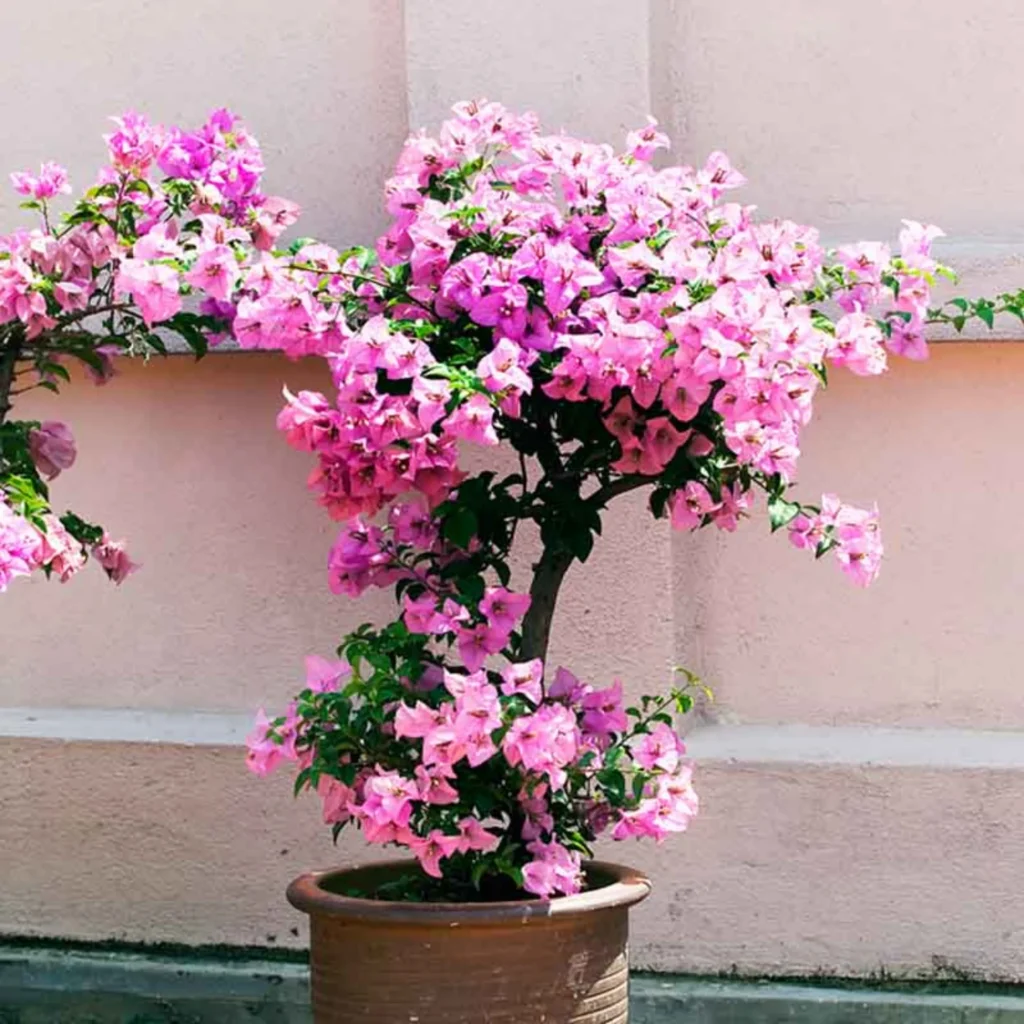
Bougainvillea is more than just a decorative plant; it brings numerous benefits to your garden:
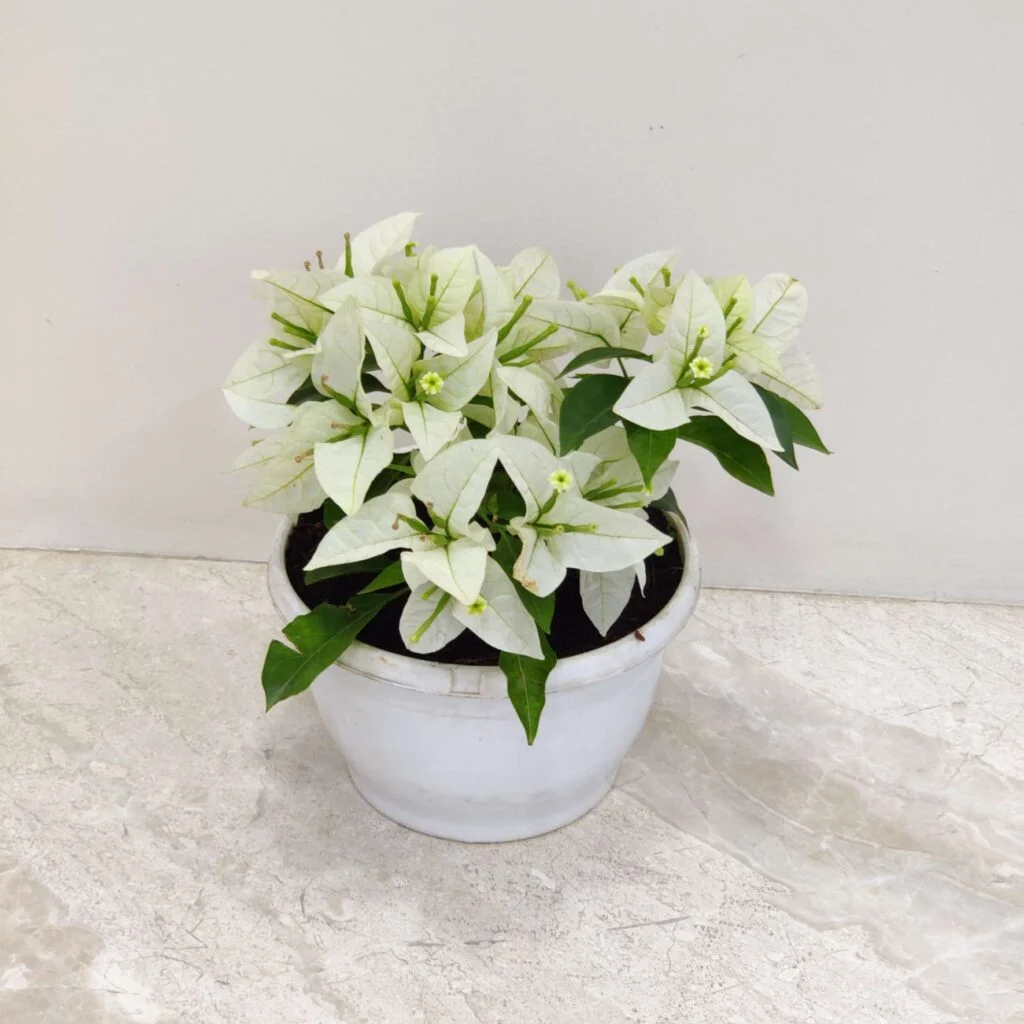
- Vibrant Colors: Bougainvillea bracts come in shades of pink, purple, red, orange, white, and yellow, making it ideal for visual appeal.
- Low Maintenance: Once established, bougainvillea is drought-tolerant and hardy, thriving with minimal care.
- Versatility: It can be grown as a climbing vine, shrub, hedge, or even in containers.
- Pollinator Friendly: Its flowers attract butterflies, bees, and hummingbirds, promoting a healthy garden ecosystem.
- Fast Growth: Bougainvillea grows quickly under the right conditions, providing color and coverage within months.
Choosing the Right Location
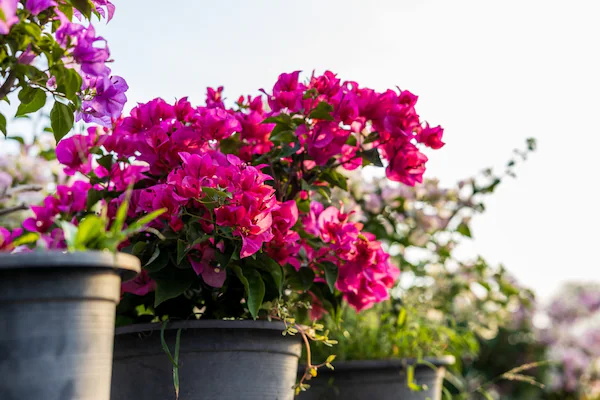
Bougainvillea thrives in sunny and warm conditions. Here’s what to consider:
- Sunlight: At least 6–8 hours of direct sunlight daily is essential for abundant flowering.
- Soil: Well-drained, slightly acidic to neutral soil (pH 5.5–7.0) enriched with compost works best. Avoid waterlogged areas.
- Space: Allow enough room for climbing or spreading, depending on your planting style.
Planting Bougainvillea
1. From Cuttings
Bougainvillea is commonly propagated through stem cuttings rather than seeds for faster growth and reliable flowering.
- Select healthy semi-hardwood stems from mature plants, about 6–8 inches long.
- Remove leaves from the lower half to prevent rotting.
- Dip the cut end in rooting hormone for faster root development (optional).
- Plant the cutting in a well-draining soil mix of sand, perlite, and compost.
- Keep the soil moist and the cutting in a warm, partially shaded area until roots develop (2–4 weeks).
2. From Saplings or Nursery Plants
- Purchase healthy bougainvillea saplings from a nursery.
- Dig a hole slightly larger than the root ball and plant the sapling at the same depth it was growing in the pot.
- Water lightly after planting and provide support if planting a climbing variety.
Caring for Bougainvillea
1. Watering
- Bougainvillea prefers moderate watering.
- Water deeply once or twice a week, depending on climate, allowing soil to dry slightly between watering.
- Overwatering can lead to root rot and reduced flowering.
2. Fertilizing
- Use a balanced fertilizer with higher phosphorus content to encourage blooming.
- Fertilize every 4–6 weeks during the growing season.
- Avoid excessive nitrogen, which promotes foliage growth at the expense of flowers.
3. Sunlight and Temperature
- Bougainvillea is a sun-loving plant and blooms best in warm, bright conditions.
- Protect young plants from frost and extreme cold.
4. Pruning
- Regular pruning encourages bushier growth and more flowers.
- Trim dead, weak, or overcrowded branches after each flowering cycle.
- Pruning also helps shape the plant for decorative purposes.
5. Support Structures
- Climbers and vines require trellises, fences, or arches for vertical growth.
- Use soft ties to guide branches without damaging stems.
Creative Gardening Ideas with Bougainvillea
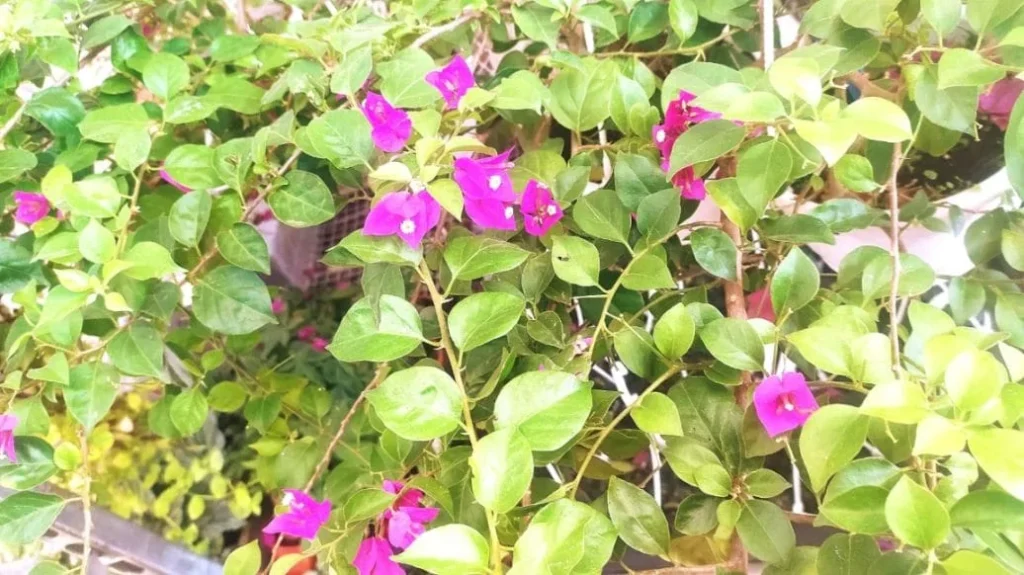
- Vertical Gardens and Trellises
- Train bougainvillea vines on trellises, pergolas, or fences to create colorful vertical gardens.
- Combine with other climbing plants like jasmine or morning glory for layered blooms.
- Hedges and Borders
- Plant bougainvillea as a flowering hedge or border along pathways.
- Its thorny branches also act as a natural deterrent for animals or intruders.
- Container Gardening
- Bougainvillea grows well in large containers on balconies or terraces.
- Choose dwarf or compact varieties for pots.
- Ensure proper drainage and use a mix of garden soil, compost, and sand.
- Hanging Baskets
- Trailing varieties can be grown in hanging baskets for patios and indoor decoration.
- Cascading bracts create a stunning waterfall effect of color.
- Mixed Flower Beds
- Combine bougainvillea with contrasting foliage plants like ferns or shrubs with different textures.
- Alternating colors creates a vibrant, eye-catching garden layout.
Pest and Disease Management
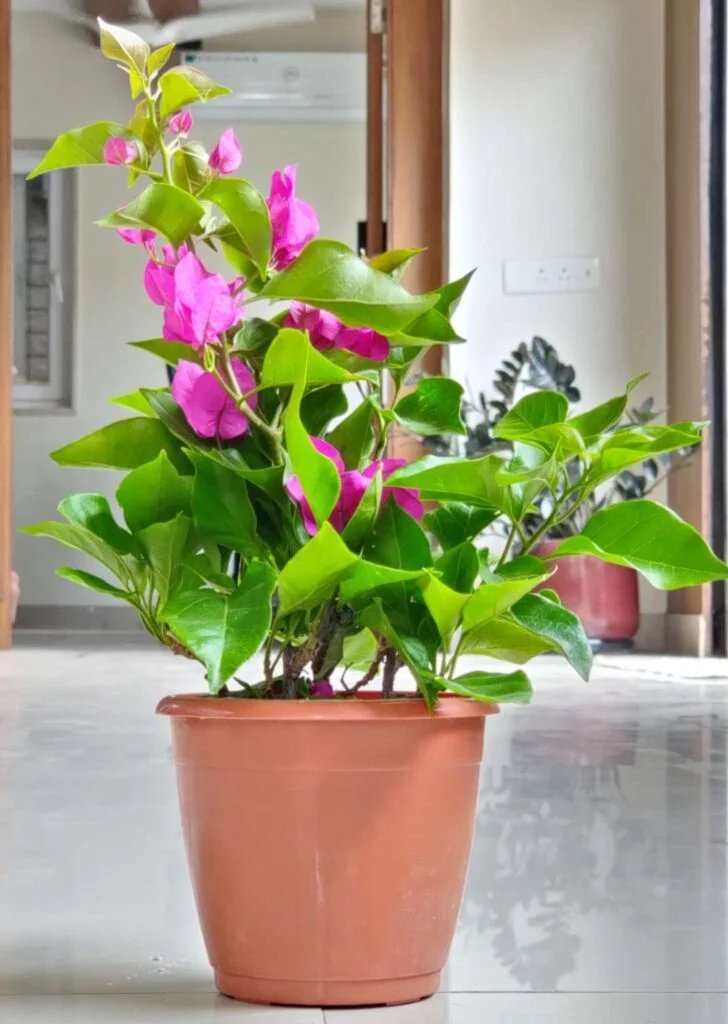
While bougainvillea is hardy, it can occasionally face issues:
- Aphids and Mealybugs: Spray neem oil or insecticidal soap to control infestations.
- Leaf Spot or Powdery Mildew: Avoid overhead watering and maintain proper air circulation.
- Root Rot: Ensure well-drained soil to prevent waterlogging.
Regular monitoring and preventive care ensure healthy, blooming plants.
Harvesting and Using Bougainvillea
- Bougainvillea flowers are long-lasting and can be used for decoration, flower arrangements, or even natural dyes.
- Cut blooms early in the morning for maximum freshness.
- Combine with other flowers for bouquets or festive décor.
Seasonal Care Tips
- Spring & Summer: Peak growing and flowering season; increase watering and fertilizing.
- Autumn: Reduce watering gradually as growth slows down; protect from early frost.
- Winter: Mulch around the base to protect roots in colder climates; indoor varieties should be moved away from cold drafts.
Benefits of Growing Bougainvillea at Home
- Aesthetic Appeal: Provides vibrant colors and enhances the beauty of homes, balconies, and gardens.
- Pollinator-Friendly: Attracts butterflies, bees, and birds, supporting biodiversity.
- Low Maintenance: Once established, it requires minimal care.
- Versatility: Can be trained in various forms—climbers, hedges, container plants, or hanging varieties.
- Longevity: With proper care, bougainvillea plants can live for decades and bloom repeatedly.
Conclusion
Bougainvillea is a must-have for gardeners seeking vibrant, low-maintenance, and versatile flowering plants. With its striking bracts, hardy nature, and ability to adapt to various growing conditions, it can transform ordinary gardens, patios, and balconies into stunning visual displays.
By following proper planting, watering, fertilizing, and pruning techniques, even beginners can enjoy thriving bougainvillea plants. Whether grown as a climber on trellises, a flowering hedge, a container plant, or in hanging baskets, bougainvillea promises color, beauty, and charm year-round.
With a little creativity, patience, and care, your home garden can become a flourishing paradise of bougainvillea blooms that delights the eyes and uplifts the spirit. Start planting today and enjoy the vivid, long-lasting beauty of bougainvillea in your own space!