Malabar spinach, scientifically known as Basella alba or Basella rubra, is a fast-growing, nutritious leafy vegetable native to tropical Asia. Unlike regular spinach, Malabar spinach thrives in hot and humid climates, making it ideal for summer cultivation. Its glossy, succulent leaves are rich in vitamins A and C, iron, calcium, and antioxidants, making it an excellent addition to salads, soups, stir-fries, and curries.
Growing Malabar spinach at home is easy and rewarding. With minimal space, you can cultivate this climbing vine in your garden, balcony, or terrace and enjoy a continuous supply of fresh, nutrient-rich greens. This guide provides step-by-step instructions, tips, and creative ideas for Malabar spinach cultivation at home.
Why Grow Malabar Spinach?
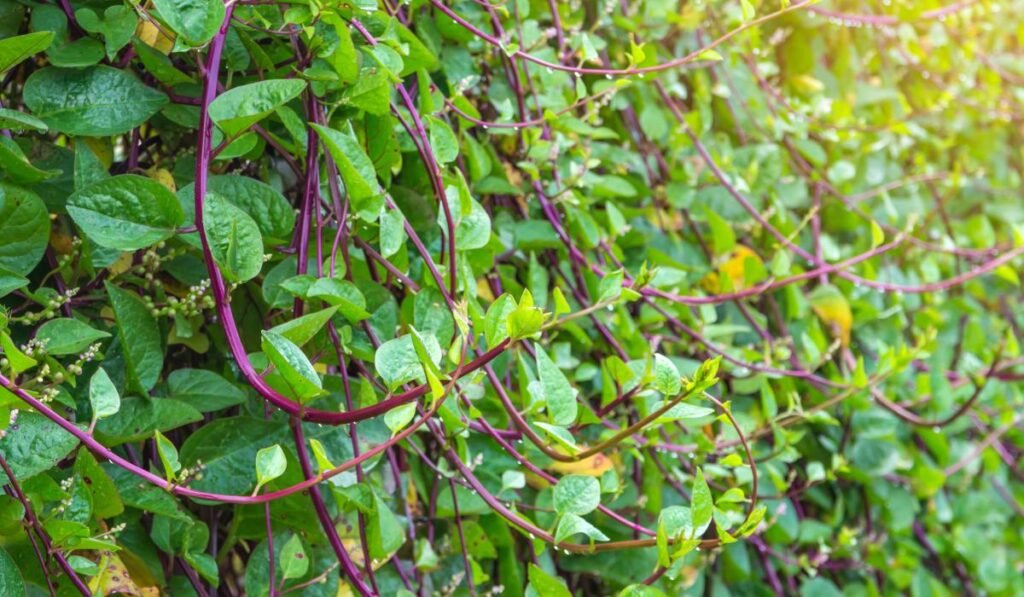
- Nutritional Value: Malabar spinach is a powerhouse of nutrients, supporting immunity, digestion, and overall health.
- High Yield: The plant grows rapidly and can be harvested multiple times in a season.
- Low Maintenance: Malabar spinach is hardy, tolerates heat, and requires minimal care once established.
- Space Efficiency: Its climbing nature allows vertical growth, making it ideal for small gardens or container gardening.
- Versatile Culinary Uses: Leaves and stems can be used in soups, stews, salads, and stir-fries.
Choosing the Right Location
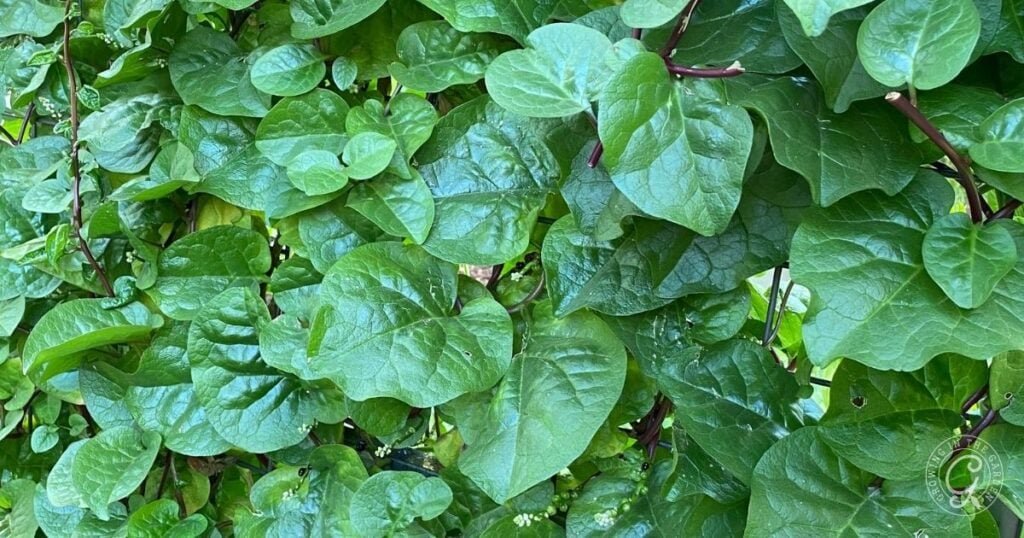
Malabar spinach thrives in warm, sunny, and humid conditions:
- Sunlight: The plant requires at least 4–6 hours of direct sunlight daily. Partial shade is acceptable in very hot climates.
- Soil: Well-draining, fertile soil rich in organic matter is ideal. A slightly acidic to neutral pH (6.0–7.5) is best.
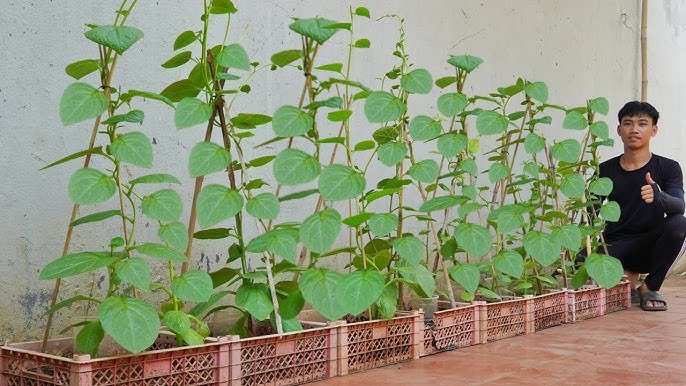
- Support: As a climber, Malabar spinach needs a trellis, fence, or pole for vertical growth.
Planting Malabar Spinach
1. From Seeds
- Soak seeds in water for 24 hours to enhance germination.
- Sow seeds directly into garden beds or pots, covering them lightly with soil.
- Keep the soil moist until seedlings emerge (usually 7–14 days).
- Thin seedlings to maintain 8–12 inches of spacing between plants.
2. From Cuttings
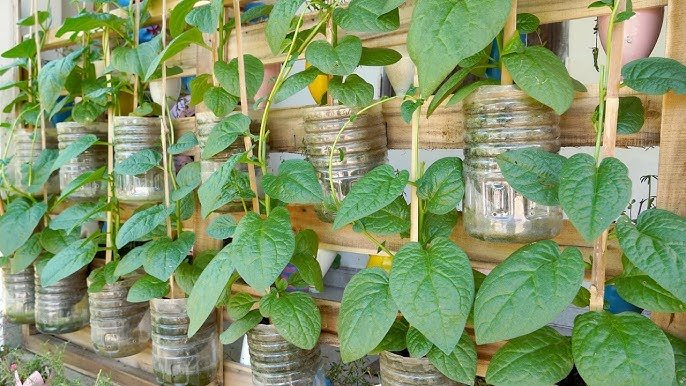
- Malabar spinach can also be propagated through stem cuttings.
- Cut 6–8 inch healthy stems and remove lower leaves.
- Plant cuttings in soil or water until roots develop, then transfer to pots or garden beds.
3. Container Gardening
- Use large pots or hanging baskets for limited spaces.
- Ensure good drainage and provide support for climbing vines.
Caring for Malabar Spinach
1. Watering
- Malabar spinach prefers consistent moisture.
- Water regularly, especially during dry spells, but avoid waterlogging.
- Mulch around the base to retain soil moisture and suppress weeds.
2. Fertilizing
- Apply organic compost or balanced fertilizers every 4–6 weeks to promote vigorous growth.
- Avoid excessive nitrogen, which may lead to more leaves but fewer flowers and seeds.
3. Sunlight and Temperature
- Optimal growth occurs at 75–95°F (24–35°C).
- Young plants should be protected from strong winds, which can damage vines.
4. Pruning and Training
- Train vines along trellises, poles, or fences to save space.
- Regular pruning encourages bushier growth and more leaves.
- Remove dead or yellowing leaves to maintain plant health.
Pest and Disease Management
Malabar spinach is generally resistant to pests but may face occasional challenges:
- Aphids and Whiteflies: Spray neem oil or mild insecticidal soap to control infestations.
- Leaf Spot or Fungal Diseases: Ensure proper air circulation, avoid overhead watering, and remove infected leaves.
- Slugs and Snails: Use barriers or organic repellents to protect young leaves.
Proper care and preventive measures ensure healthy, productive plants.
Harvesting Malabar Spinach
- Leaves can be harvested 3–4 weeks after planting once the plant is well-established.
- Pick young, tender leaves for salads and older leaves for cooking.
- Regular harvesting encourages new growth and increases yield.
- Use clean scissors or hands to avoid damaging the plant.
Creative Gardening Ideas with Malabar Spinach
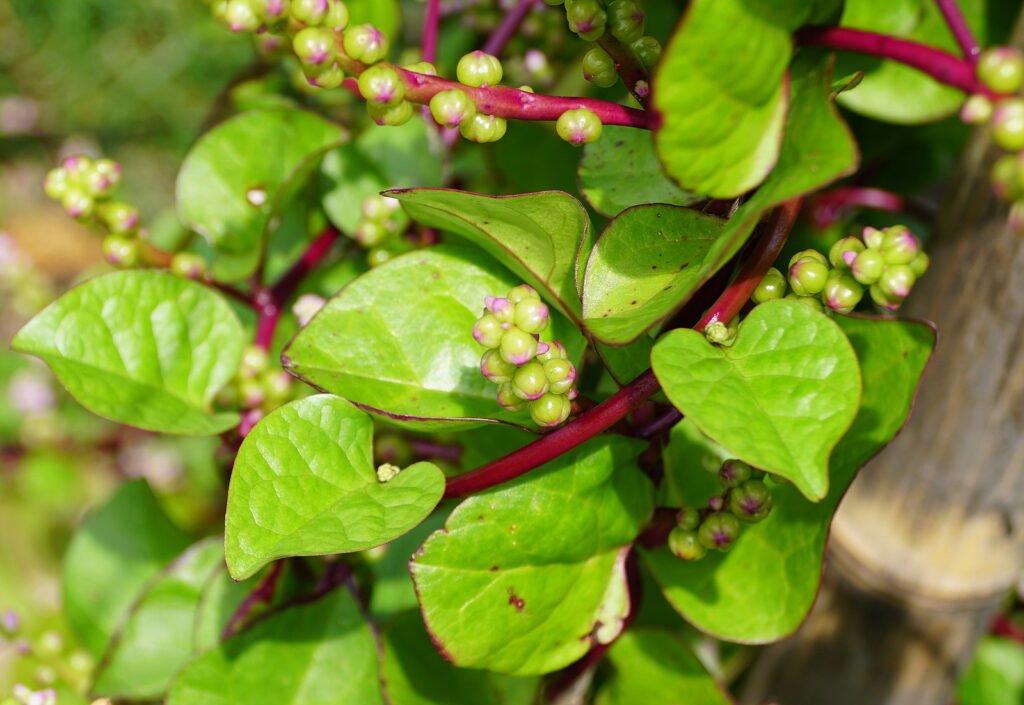
- Vertical Gardens
- Grow Malabar spinach on trellises, fences, or poles to maximize space.
- Combine with other climbers like beans or peas for a productive vertical garden.
- Container Gardening
- Use large pots or hanging baskets on balconies and terraces.
- Ensure proper support and drainage to prevent root rot.
- Mixed Herb Gardens
- Interplant Malabar spinach with herbs like basil, coriander, or mint.
- This creates a visually appealing and functional edible garden.
- Green Wall or Living Fences
- Train vines along walls or fences for a lush green cover.
- This not only provides fresh greens but also adds aesthetic value and privacy.
- Indoor Gardening
- Malabar spinach can be grown indoors near sunny windows.
- Provide trellis supports and adequate water for optimal growth.
Seasonal Care Tips
- Summer: Peak growing season; increase watering and check for pests regularly.
- Monsoon/Rainy Season: Ensure proper drainage to avoid waterlogging.
- Winter (Mild Climates): Plants may grow slower; protect from frost in colder areas.
Benefits of Growing Malabar Spinach at Home
- Fresh and Organic: Home-grown leaves are free from pesticides and chemicals.
- High Yield: Continuous harvesting provides a steady supply of nutritious greens.
- Cost-Effective: Growing at home reduces the need to purchase fresh vegetables.
- Nutritional Advantages: Rich in vitamins, minerals, and antioxidants that support overall health.
- Aesthetic Appeal: Glossy green leaves and climbing vines enhance garden beauty.
Conclusion
Malabar spinach is a versatile, nutritious, and easy-to-grow leafy vegetable that is ideal for home gardening. Its climbing nature allows vertical growth, making it perfect for small spaces, balconies, and terraces. With proper planting, watering, fertilizing, and pruning techniques, even beginners can enjoy a continuous supply of fresh, tender leaves.
Creative gardening ideas such as vertical gardens, mixed herb beds, and container setups help maximize space while enhancing aesthetic appeal. Its resilience, rapid growth, and nutritional benefits make Malabar spinach a valuable addition to any home garden.
By cultivating Malabar spinach at home, you not only ensure fresh, organic greens for your family but also create a beautiful, lush, and productive garden space. With a little care and creativity, your garden can flourish with this vibrant, leafy climber, providing health, beauty, and satisfaction all year round.