In recent years, the concept of kitchen gardening has gained immense popularity as people look for fresh, organic, and nutrient-rich vegetables right at home. Among the many leafy greens that can be grown in small spaces, fern vegetables—also known as fiddlehead ferns or edible ferns—stand out for their unique taste, nutritional value, and versatility in cooking. These delicate, coiled shoots are rich in vitamins, minerals, and antioxidants, making them a great addition to any healthy diet.
Growing fern vegetables in your home kitchen garden is both practical and rewarding. This guide explores how to nurture, grow, and care for fern vegetables while incorporating creative gardening ideas for small and large spaces.
Why Grow Fern Vegetables in a Kitchen Garden?
- Nutritional Benefits: Fern vegetables are low in calories, high in fiber, and rich in vitamins A, C, and K. They also contain minerals like iron, calcium, and potassium, which promote overall health.
- Freshness and Quality: Homegrown ferns are free from pesticides and chemical fertilizers, ensuring safe and healthy consumption.
- Cost-Effective: Growing your own greens reduces grocery bills and ensures a continuous supply throughout the season.
- Culinary Versatility: Fern vegetables can be used in soups, stir-fries, curries, salads, and even as garnishes.
- Aesthetic Appeal: Ferns add a touch of greenery and elegance to your kitchen garden with their delicate fronds.
Choosing the Right Fern Vegetable for Your Garden
There are several varieties of edible ferns suitable for home cultivation:
- Ostrich Fern (Matteuccia struthiopteris): Known for its bright green, coiled shoots.
- Bracken Fern (Pteridium aquilinum): Popular in Asian cuisines.
- Diplazium Esculentum: Known as vegetable fern in many tropical regions, widely used in stir-fries.
Select a variety that suits your local climate and cooking preferences.
Ideal Conditions for Fern Vegetable Cultivation
Ferns are delicate plants that thrive under specific conditions:
- Sunlight: Partial shade to filtered sunlight is ideal. Avoid direct harsh sunlight, which can damage young shoots.
- Soil: Fertile, well-draining soil rich in organic matter is essential. Loamy or sandy soil with good moisture retention works best.
- Watering: Keep the soil consistently moist but not waterlogged. Ferns are sensitive to drought and excessive water.
- Temperature and Humidity: Fern vegetables prefer moderate temperatures (65–75°F) and high humidity. They grow well in tropical and subtropical climates.
Steps to Grow Fern Vegetables at Home
1. Preparing the Soil
- Enrich the soil with compost, well-rotted manure, or organic fertilizers.
- Ensure the soil is loose to allow root expansion and easy emergence of shoots.
2. Sowing Seeds or Spores
- Some fern vegetables can be grown from seeds, while others, like fiddleheads, are grown from rhizomes or divisions.
- Plant seeds in shallow trays or pots and cover lightly with soil.
- Maintain consistent moisture for germination.
3. Planting Rhizomes or Divisions
- Divide mature fern clumps and plant rhizomes horizontally in soil, leaving the top slightly exposed.
- Space plants 12–18 inches apart to allow proper growth.
4. Container Gardening
- Use large pots, trays, or vertical garden setups for small spaces.
- Ensure proper drainage and use rich, organic soil for healthy growth.
Caring for Fern Vegetables
Proper care is crucial for healthy fern growth and abundant harvests:
1. Watering and Mulching
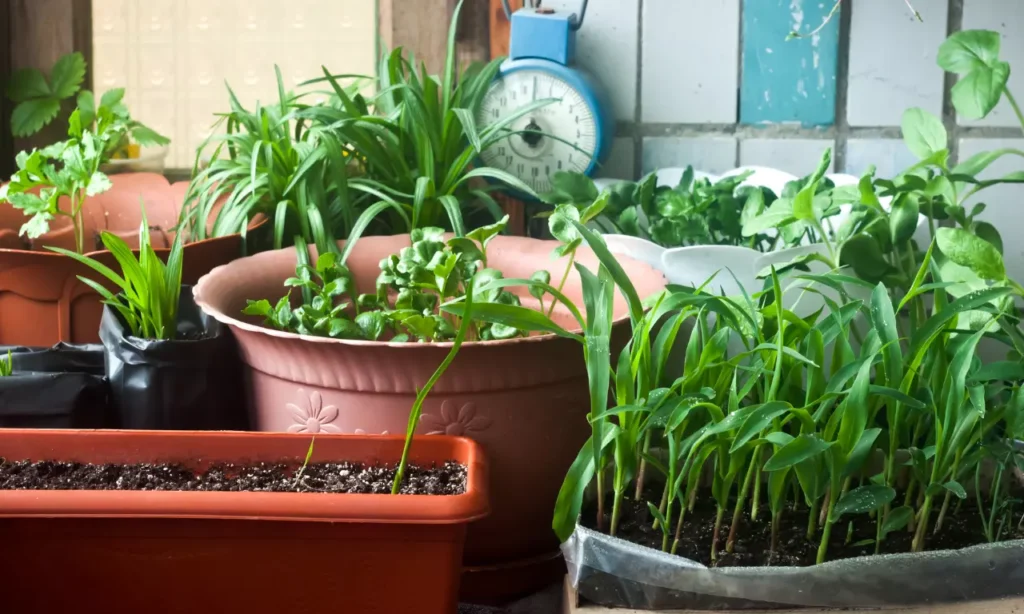
- Water regularly to maintain soil moisture.
- Apply mulch around the base to conserve water, regulate temperature, and prevent weeds.
2. Fertilizing
- Feed plants with compost tea or balanced organic fertilizers every 4–6 weeks.
- Avoid excessive nitrogen, which may promote leafy growth but reduce tender shoots.
3. Pruning and Maintenance
- Remove damaged, yellow, or old fronds to encourage new growth.
- Regular pruning maintains plant health and appearance.
4. Pest and Disease Management
- Fern vegetables are generally hardy but may face minor issues:
- Aphids and caterpillars: Use neem oil or insecticidal soap.
- Fungal infections: Ensure proper air circulation and avoid overwatering.
- Slugs and snails: Handpick or use organic barriers.
Harvesting Fern Vegetables
- Fern vegetables are typically harvested when young, tender shoots (fiddleheads) emerge.
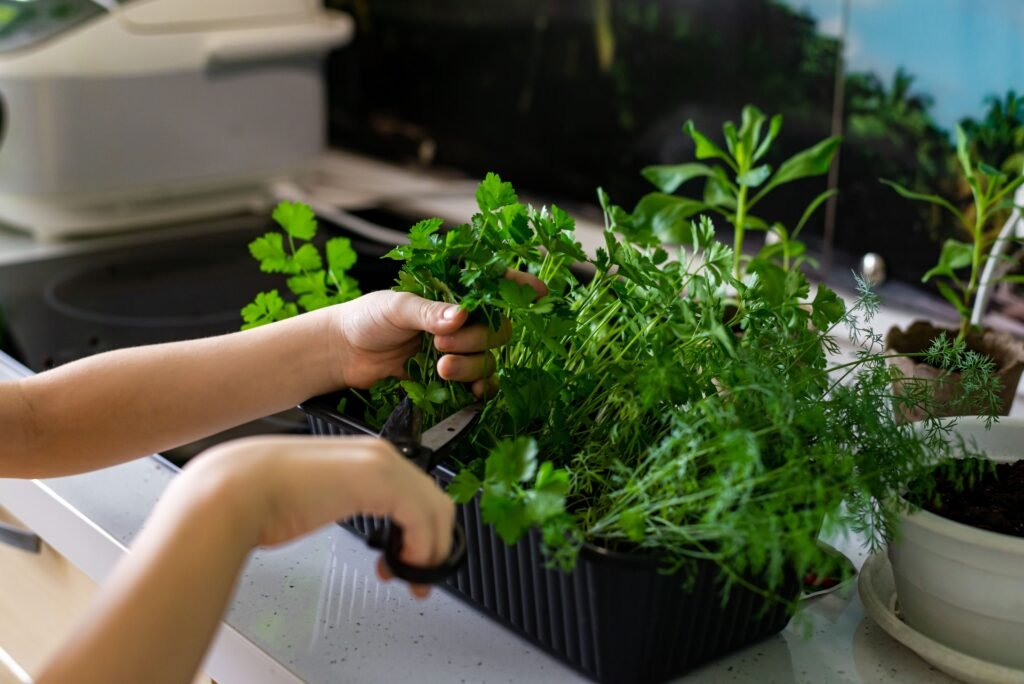
- Use clean scissors or hands to cut the shoots without damaging the main plant.
- Harvest regularly to encourage new growth and ensure continuous supply.
- Young shoots are more tender and flavorful, making them ideal for cooking.
Creative Gardening Ideas for Fern Vegetables
1. Kitchen Garden Beds
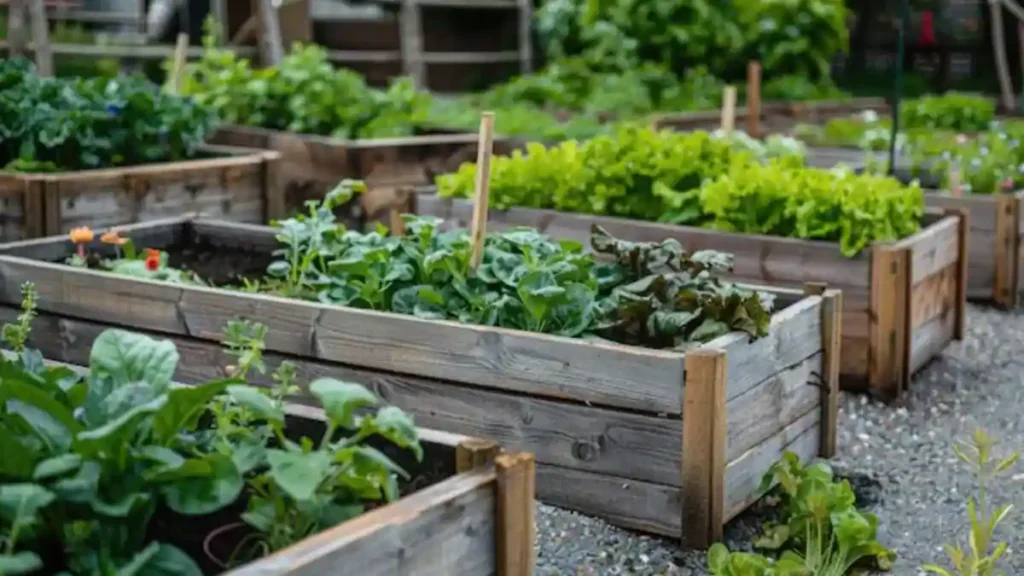
- Dedicate a small section of your backyard or terrace to a fern vegetable patch.
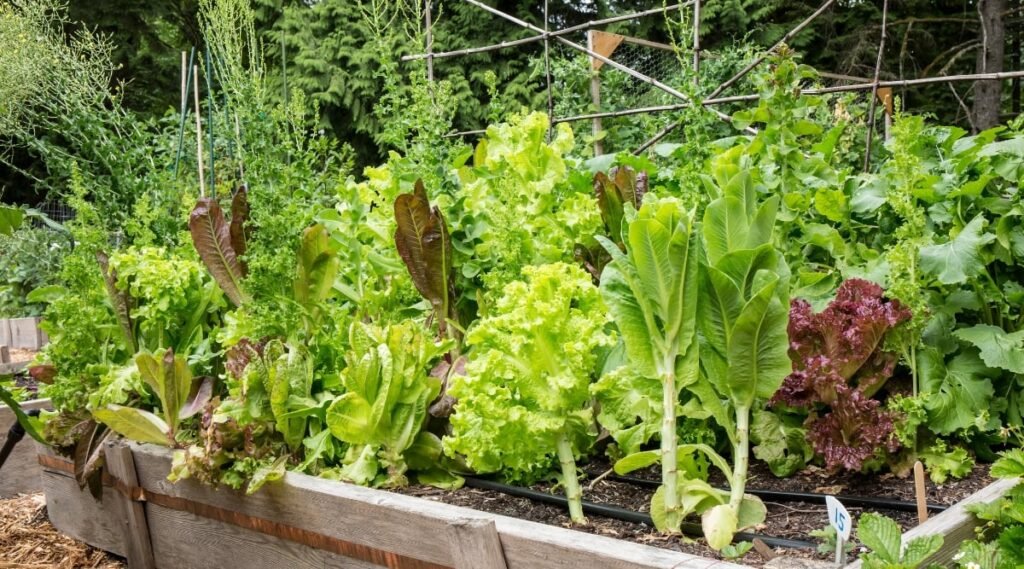
- Combine with other leafy greens like spinach, amaranth, or kale for a colorful edible garden.
2. Container and Vertical Gardening
- Grow ferns in large pots, hanging baskets, or vertical planters for small spaces.
- Use trellises for climbing fern varieties.
3. Companion Planting
- Interplant ferns with herbs like coriander, mint, or basil.
- This combination enhances biodiversity and reduces pest attacks.
4. Indoor Gardening
- Fern vegetables can be grown indoors near windows with filtered sunlight.
- Maintain high humidity using a misting spray or humidity tray.
5. Decorative and Functional Garden Corners
- Plant ferns in corners of the garden, along walkways, or near water features.
- Their lush fronds add aesthetic beauty while providing fresh edible greens.
Nurturing Tips for Healthy Fern Growth
- Soil Health: Regularly enrich soil with organic matter to maintain fertility.
- Moisture Control: Avoid waterlogging and ensure proper drainage to prevent root rot.
- Sunlight Adjustment: Move pots indoors or outdoors based on season and sunlight intensity.
- Regular Harvesting: Picking shoots regularly encourages continuous growth.
- Protection from Extreme Weather: Shield young plants from frost, strong winds, or scorching heat.
Benefits of Growing Fern Vegetables at Home
- Freshness and Flavor: Homegrown ferns are fresher and more flavorful than store-bought options.
- Health Benefits: Rich in essential nutrients that promote immunity, bone health, and digestion.
- Sustainable Living: Growing your own vegetables reduces reliance on commercial produce.
- Aesthetic and Functional: Adds greenery, texture, and visual appeal to the kitchen garden while providing edible produce.
- Continuous Supply: With proper care, fern vegetables provide a steady harvest throughout the growing season.
Conclusion
Fern vegetables are a fantastic choice for any kitchen garden, offering nutrition, flavor, and beauty in a single plant. Their delicate fronds, fast growth, and adaptability make them suitable for gardens of all sizes—whether you have a spacious backyard, terrace, balcony, or indoor space.
By understanding the proper planting, nurturing, and harvesting techniques, even beginners can successfully grow fern vegetables at home. Creative ideas such as container gardening, vertical setups, and companion planting can maximize yield while enhancing the aesthetic appeal of your garden.
Growing fern vegetables is not just about harvesting fresh, healthy greens; it is also about nurturing a sustainable, green lifestyle. With consistent care, proper watering, and organic practices, your kitchen garden can flourish with tender, nutritious fern vegetables that delight the palate and beautify your living space.
Start planting today, and enjoy the satisfaction of cultivating your own lush, green, and edible ferns right at home!