Papaya, often referred to as the “fruit of the angels,” is a tropical delight cherished for its sweet taste, vibrant color, and rich nutritional value. Growing papaya at home not only provides fresh, juicy fruits but also enhances your kitchen garden with greenery and tropical charm. With proper care, papaya plants can thrive in small spaces, containers, or open garden beds, making them accessible even for beginner gardeners.
This guide explores how to cultivate papaya at home, from selecting seeds to nurturing plants, managing pests, and harvesting fruits, ensuring a successful and fruitful kitchen garden.
Why Grow Papaya at Home?
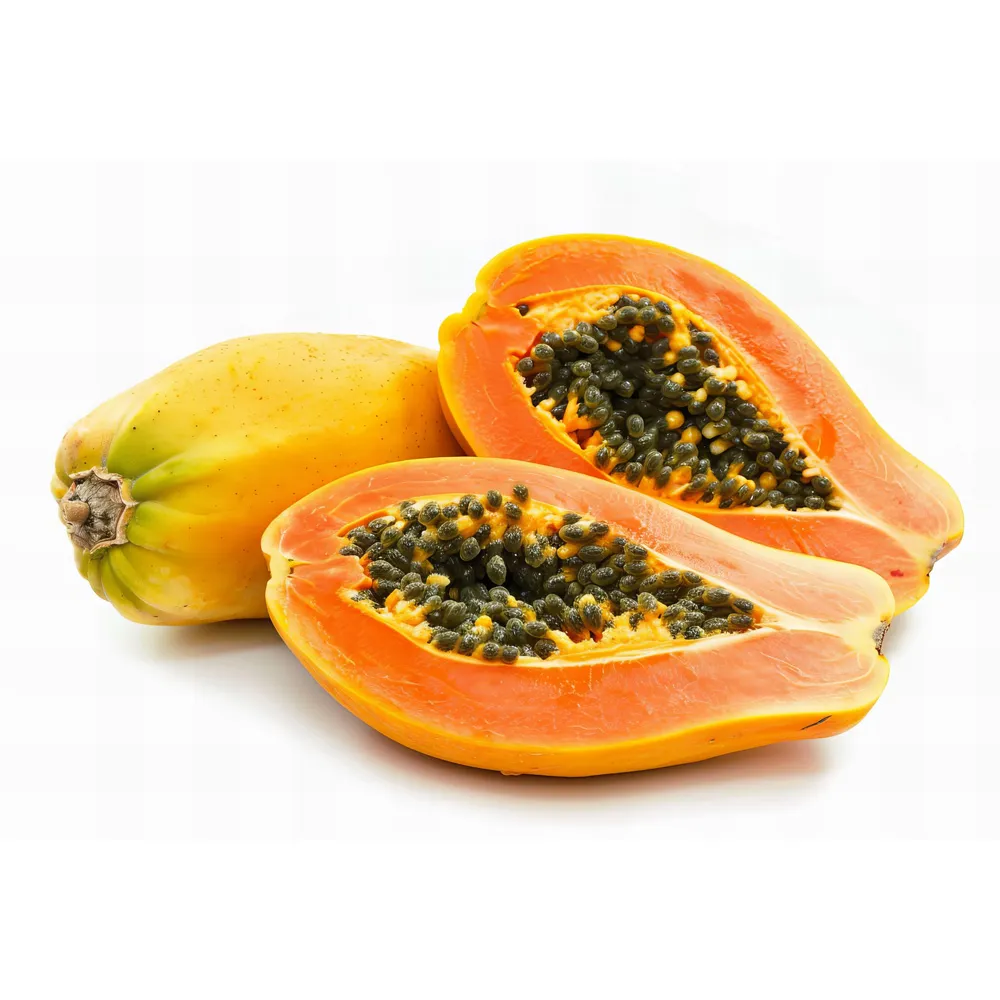
- Nutritional Value: Papaya is rich in vitamin C, vitamin A, folate, fiber, and antioxidants, making it excellent for boosting immunity, digestion, and overall health.
- Continuous Harvest: Papaya plants start producing fruits in 6–12 months, and with proper care, they can yield fruits throughout the year in suitable climates.
- Easy to Grow: Papaya is hardy, fast-growing, and adapts well to container gardening or small garden spaces.
- Cost-Effective: Growing papaya at home ensures fresh fruits, reduces grocery costs, and guarantees organic produce.
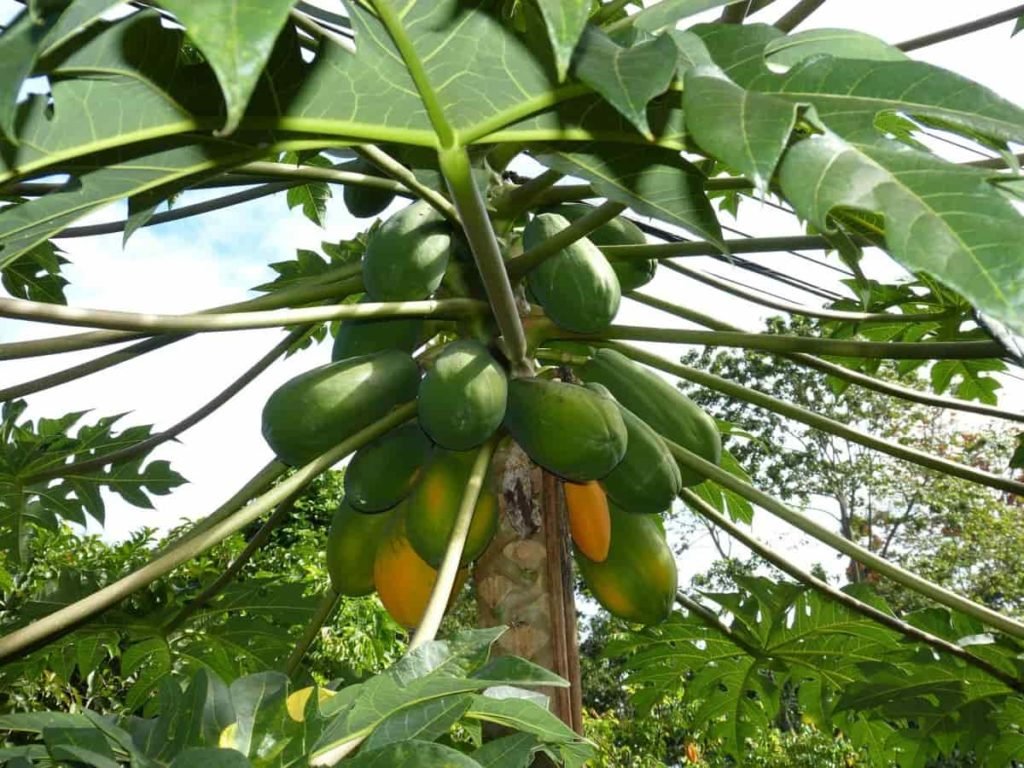
- Aesthetic Appeal: Papaya plants have large, tropical leaves and a striking form, adding beauty to any garden or terrace.
Choosing the Right Papaya Variety
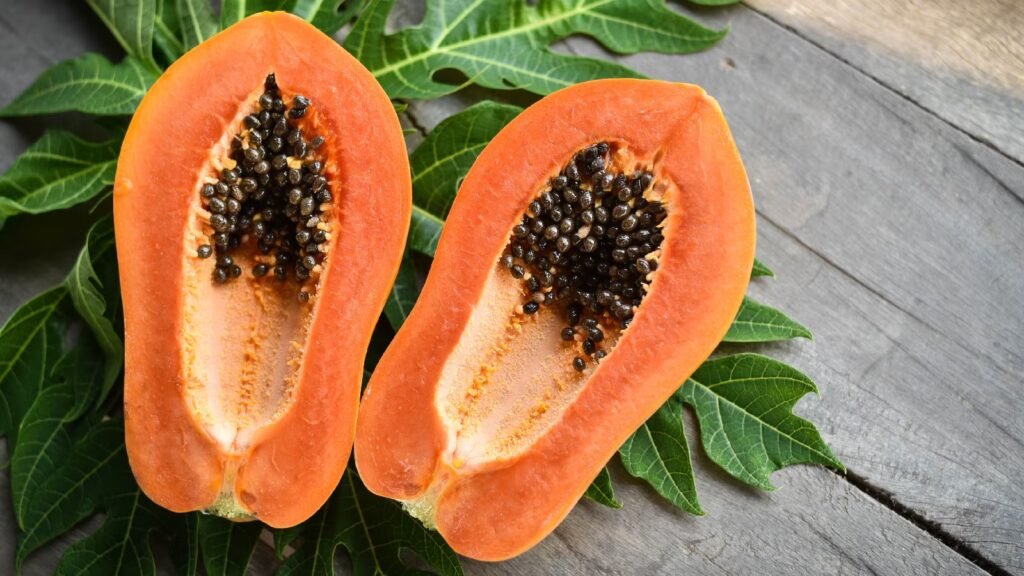
Papaya plants are generally categorized into three types:
- Dioecious: Male and female flowers grow on separate plants. Only female plants produce fruits.
- Hermaphrodite: Both male and female flowers appear on the same plant, making it ideal for home cultivation.
- Male: Male plants do not produce fruits and are generally used for pollination purposes.
For home gardening, hermaphrodite varieties are recommended due to their fruit-bearing potential and compact growth. Popular varieties include Red Lady, Solo, and Coorg Honey Dew.
Ideal Conditions for Papaya Cultivation
Papaya thrives in tropical and subtropical climates. Here’s what you need to know:
- Sunlight: Requires full sunlight for at least 6–8 hours a day to produce healthy fruits.
- Soil: Well-drained, fertile soil with a pH of 6–7 is ideal. Papaya roots are sensitive to waterlogging, so sandy loam or raised beds are preferred.
- Temperature: Optimal growth occurs between 70–90°F (21–32°C). Protect plants from frost or extremely cold weather.
- Spacing: Maintain 6–8 feet of space between plants to ensure proper growth, air circulation, and sunlight exposure.
Planting Papaya at Home
1. From Seeds
- Extract seeds from a ripe papaya fruit and wash to remove the gelatinous coating.
- Dry seeds in shade for 1–2 days to improve germination.
- Sow seeds in nursery trays, small pots, or directly in the garden about 0.5–1 inch deep.
- Water lightly and keep soil moist. Seeds germinate in 2–3 weeks.
2. From Saplings or Nursery Plants
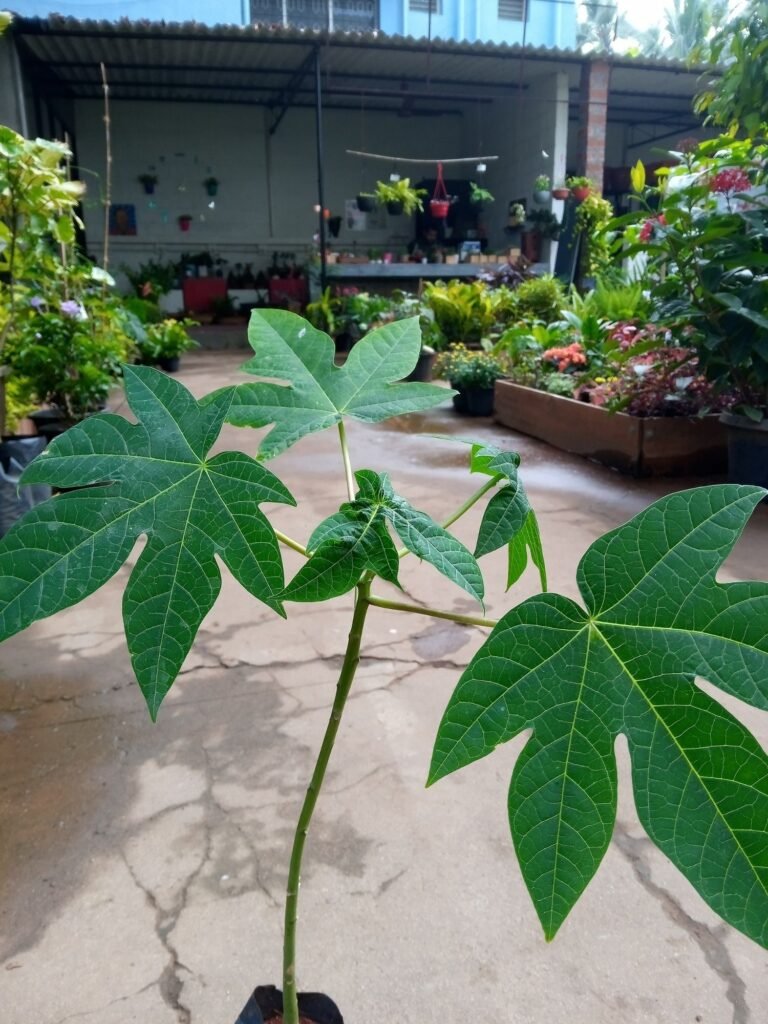
- Purchase healthy papaya saplings from a nursery.
- Dig a hole slightly larger than the root ball and plant at the same depth as in the container.
- Water immediately and provide a small support stick to prevent bending in windy conditions.
3. Container Gardening
- Papaya can be grown in large containers with a minimum depth of 18–24 inches.
- Use a well-draining potting mix enriched with compost and organic fertilizer.
- Ensure the container receives full sunlight and adequate water.
Caring for Papaya Plants
1. Watering
- Water young plants regularly to maintain moist soil, but avoid waterlogging.
- Established plants require deep watering 2–3 times a week, especially during dry spells.
2. Fertilizing
- Use a balanced fertilizer with nitrogen, phosphorus, and potassium every 4–6 weeks.
- Apply organic compost or vermicompost for healthy growth.
- Reduce nitrogen levels once flowers appear to encourage fruit development.
3. Mulching
- Apply mulch around the base to retain soil moisture, regulate temperature, and suppress weeds.
4. Sunlight and Temperature
- Ensure plants receive full sunlight to promote flowering and fruiting.
- Protect from frost or extreme temperatures by using shade nets or covers if necessary.
5. Pruning and Maintenance
- Remove damaged or diseased leaves to improve air circulation.
- Regularly check for pests and diseases.
- Stake young plants for support until stems are strong enough to withstand wind.
Pest and Disease Management
Papaya plants may face challenges from pests and diseases:
- Papaya Fruit Fly: Infests fruits; use traps or cover fruits with protective bags.
- Aphids and Mealybugs: Spray neem oil or insecticidal soap.
- Powdery Mildew: Prevent fungal infections by ensuring good air circulation and avoiding overhead watering.
- Root Rot: Avoid waterlogging and use well-draining soil to protect sensitive roots.
Flowering and Fruit Development
- Papaya flowers appear 2–3 months after planting. Hermaphrodite plants bear both male and female flowers.
- Pollination occurs naturally via wind or insects. In the case of dioecious varieties, plant both male and female plants for successful fruiting.
- Fruits mature 5–7 months after flowering. Regular watering and proper fertilization ensure larger, sweeter fruits.
Harvesting Papaya
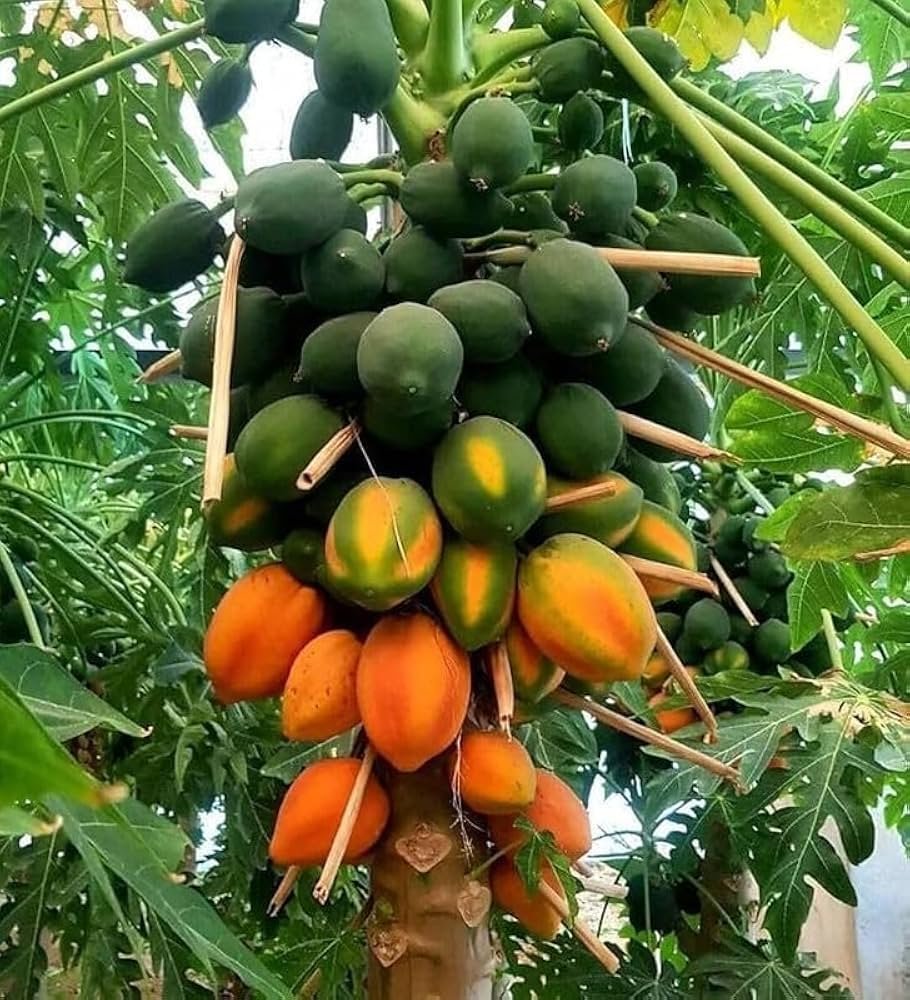
- Papaya fruits are ready to harvest when they start turning from green to yellow.
- Use a sharp knife or scissors to cut the fruit carefully, leaving a small portion of the stem attached.
- Harvest regularly to encourage continuous flowering and fruiting.
- Overripe fruits can be used in smoothies, jams, or dried for later use.
Creative Kitchen Garden Ideas with Papaya
- Mixed Vegetable Garden
- Plant papaya alongside other vegetables and herbs to maximize space and create a diverse kitchen garden.
- Container or Terrace Gardening
- Use large pots or raised beds for terrace gardens.
- Combine with other compact vegetables like spinach, amaranth, or dwarf tomatoes.
- Vertical Support Systems
- Provide trellises or stakes for young plants to promote upright growth.
- This prevents sprawling and makes harvesting easier.
- Companion Planting
- Plant papaya with legumes like beans to enrich soil with nitrogen naturally.
- Companion plants can also help deter pests.
- Indoor Greenhouse or Sunroom
- In colder climates, papaya can be grown in sunrooms or greenhouses.
- Maintain temperature and humidity for optimal growth.
Benefits of Growing Papaya at Home
- Fresh and Organic: Homegrown papayas are free from chemicals and pesticides.
- Continuous Harvest: Proper care ensures a year-round supply of fruits.
- Health Benefits: Supports digestion, immunity, and overall wellness.
- Cost Savings: Reduces grocery bills while providing a constant supply of fresh fruits.
- Aesthetic Value: Tall, tropical plants enhance the beauty and ambiance of your garden.
Conclusion
Papaya cultivation at home is an excellent choice for anyone looking to grow nutritious, delicious fruits while enhancing their kitchen garden. With proper planting, care, and pest management, even beginners can enjoy a steady supply of fresh papayas.
From container gardening and terrace setups to mixed vegetable beds and vertical growth systems, papaya can adapt to various gardening spaces. Regular harvesting, fertilization, and attention to sunlight and water needs ensure that your plants remain healthy and productive.
By cultivating papaya at home, you not only enjoy the benefits of fresh, organic fruits but also create a lush, tropical environment that brings joy, beauty, and nutrition to your daily life. With patience, care, and creativity, your kitchen garden can flourish with these sweet, vitamin-rich fruits, providing both health and aesthetic satisfaction year-round.