Every home and garden deserves a touch of natural beauty, and the right plant can completely transform your space. Whether it’s adding color, fragrance, or lush greenery, ornamental plants are the easiest and most effective way to enhance your surroundings. In this guide, we’ll explore a plant that’s simple to grow, visually stunning, and perfect for any home or garden, along with tips on planting, care, and maintenance.
🌿 Why Plants Enhance Home and Garden Beauty
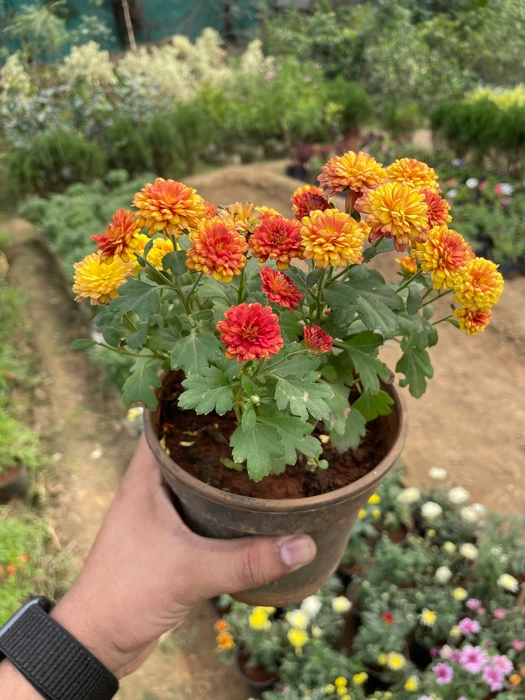
Plants do more than decorate a space—they bring life, color, and freshness. Here’s why you should consider adding ornamental plants:
- Visual Appeal: Vibrant leaves and flowers create an instant focal point.
- Air Purification: Many plants improve indoor and outdoor air quality.
- Mood Enhancement: Being around greenery reduces stress and promotes relaxation.
- Biodiversity: Flowers attract bees, butterflies, and birds, making your garden lively.
- Year-Round Beauty: Some plants bloom for months, providing continuous charm.
Choosing the right plant is key to achieving both beauty and functionality.
🌸 Introducing the Ideal Plant for Beauty: Hibiscus
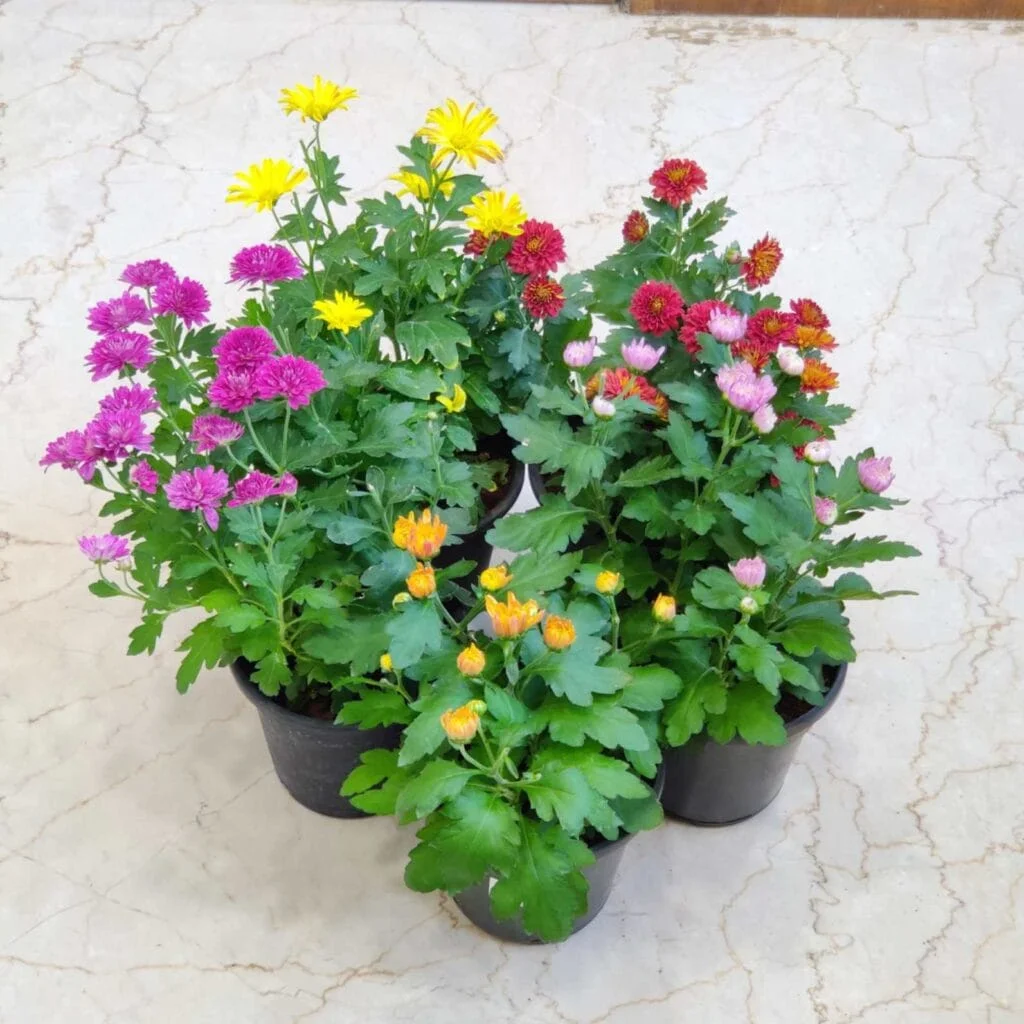
One of the most popular plants to enhance any garden or home is the hibiscus. Known for its large, vibrant flowers and glossy green leaves, hibiscus is a showstopper in any space.
Why Hibiscus Stands Out
- Eye-catching blooms: Flowers in red, pink, yellow, orange, and white.
- Long flowering season: Blooms continuously in warm months.
- Versatile placement: Thrives in pots, garden beds, or borders.
- Low maintenance: Requires basic care and thrives in most climates.
- Cultural and medicinal uses: Hibiscus flowers are used for teas, juices, and natural remedies.
Hibiscus is perfect for beginners and experienced gardeners alike because it instantly elevates the visual appeal of any space.
🪴 Choosing the Right Location for Hibiscus
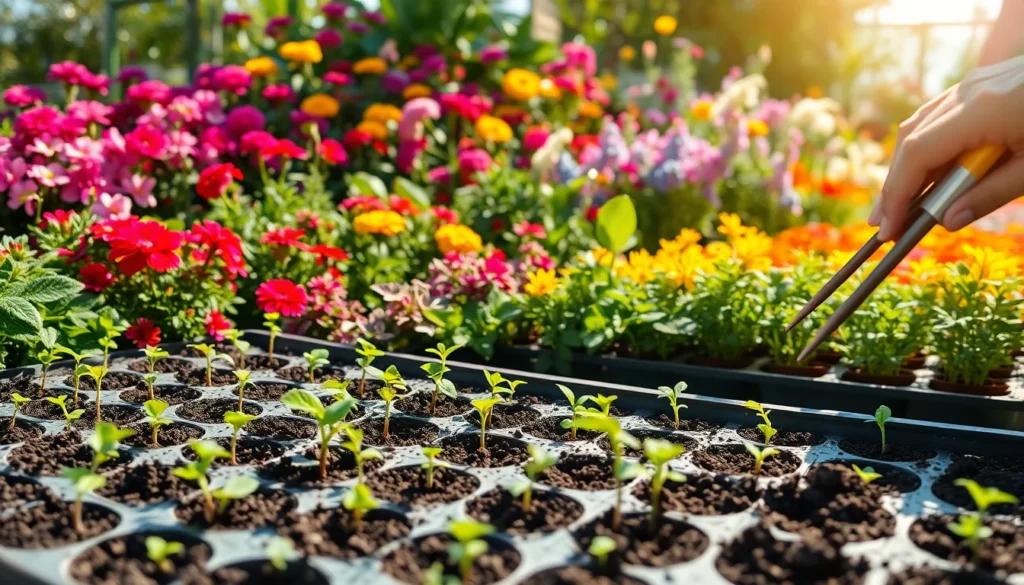
Hibiscus plants require good sunlight and proper airflow for healthy growth:
- Sunlight: 4–6 hours of direct sunlight daily
- Soil: Well-draining, fertile soil rich in organic matter
- Space: Provide enough space for branches to spread—typically 3–5 feet for garden planting
- Pots: Use large containers if planting on balconies or terraces (minimum 12–14 inches in diameter)
Placing hibiscus strategically in your garden or home ensures it becomes the centerpiece you desire.
🌱 Planting Hibiscus: Step-by-Step Guide
Hibiscus can be grown from seeds, cuttings, or nursery saplings.
Planting from Nursery Saplings
- Choose healthy, disease-free saplings.
- Prepare the soil by mixing compost or vermicompost with garden soil.
- Dig a hole slightly larger than the sapling root ball.
- Place the plant in the hole and fill with soil, pressing gently.
- Water immediately to settle the soil around roots.
Planting from Cuttings
- Take a 4–6 inch cutting from a healthy branch.
- Remove leaves from the lower part.
- Dip the cut end in rooting hormone.
- Plant in a pot with moist soil or a sand-cocopeat mix.
- Keep soil moist until roots develop (2–4 weeks).
💧 Watering and Care for Hibiscus
Hibiscus thrives with regular watering and nutrient-rich soil:
- Watering: Daily during hot months, every 2–3 days during cooler months. Avoid overwatering.
- Fertilizer: Use organic compost or liquid fertilizers every 2–3 weeks. Hibiscus benefits from fertilizers rich in potassium, which encourages flowering.
- Mulching: Apply mulch around the base to retain soil moisture and reduce weeds.
- Pruning: Trim dead or weak branches regularly to encourage bushy growth and more blooms.
Pro Tip: Overwatering or neglecting pruning can reduce flowering, so maintain a consistent care routine.
☀️ Sunlight and Temperature Requirements
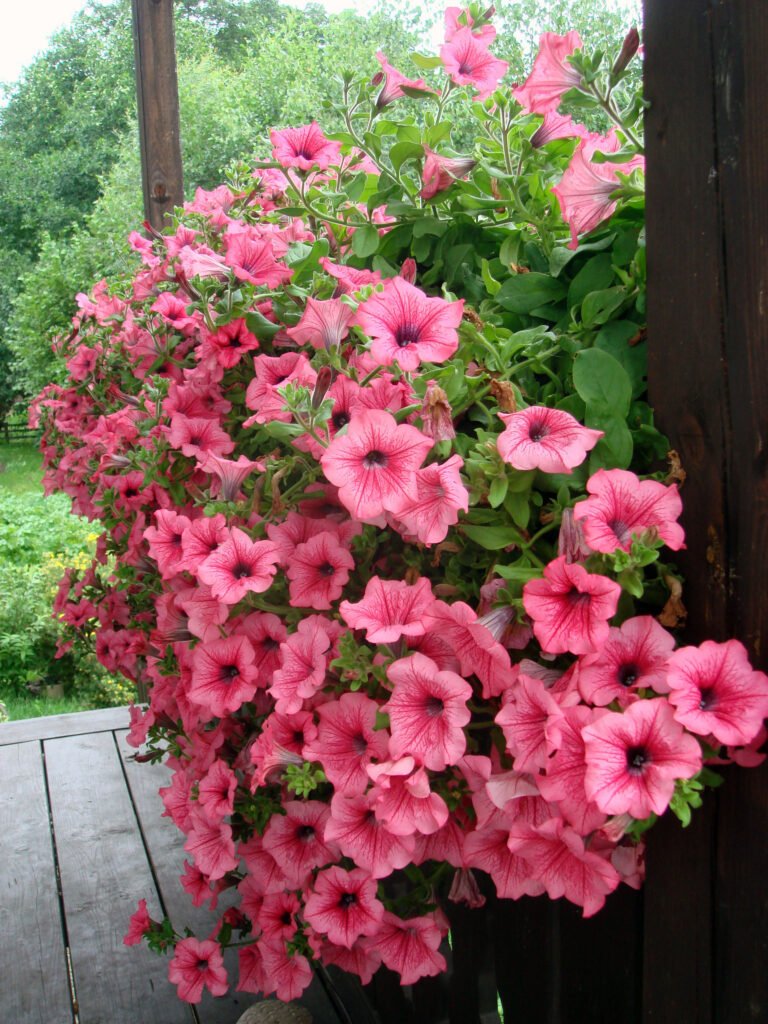
Hibiscus prefers warm, sunny climates:
- Optimal temperature: 18°C to 30°C
- Avoid prolonged frost or extremely cold weather
- In colder regions, grow hibiscus in pots and move indoors during winter
Providing the right sunlight and temperature ensures healthy growth and vibrant blooms.
🐛 Common Pests and Diseases
While hibiscus is hardy, some pests and diseases can affect its growth:
Pests
- Aphids: Spray neem oil or insecticidal soap
- Spider mites: Wash leaves with water and maintain humidity
- Whiteflies: Use yellow sticky traps or neem oil
Diseases
- Leaf spot: Remove affected leaves and use fungicide if needed
- Root rot: Avoid waterlogging and ensure proper drainage
Regular monitoring and organic care keep hibiscus flourishing.
🌸 Enhancing Garden Beauty with Hibiscus
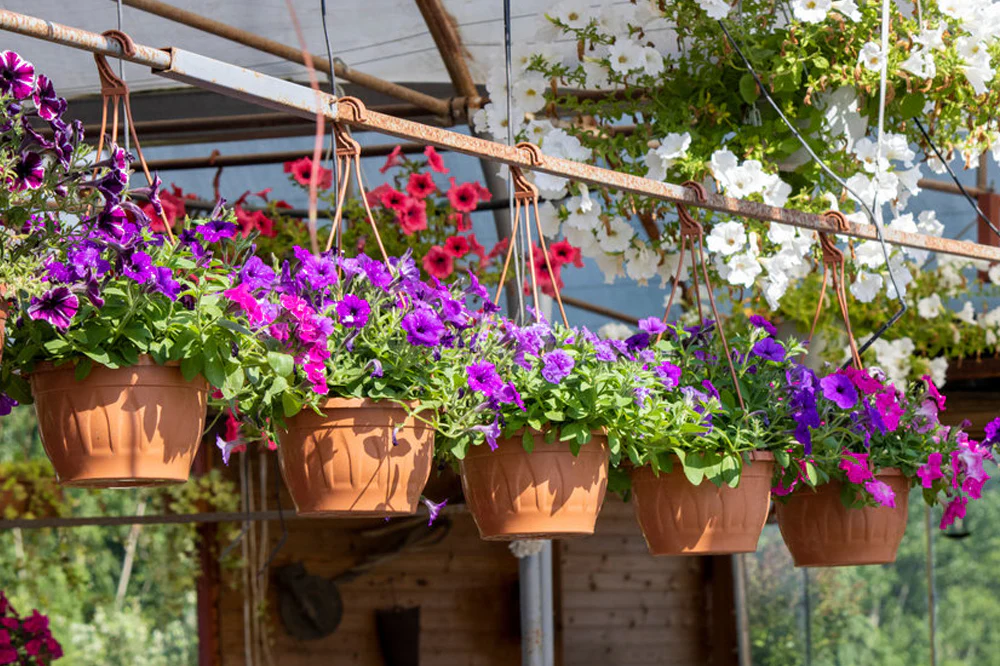
Hibiscus isn’t just a plant; it’s a living decoration. Here’s how to use it effectively:
1. Border Planting
Plant hibiscus along walkways or garden edges to create colorful borders.
2. Container Gardening
Large pots on balconies, patios, or terraces turn hibiscus into a statement plant.
3. Mixed Flower Beds
Combine hibiscus with marigolds, petunias, or ferns for a dynamic and vibrant flower bed.
4. Indoor Display
Mini hibiscus varieties can thrive indoors near sunny windows, enhancing your living room or study space.
🥗 Other Benefits of Hibiscus
Beyond aesthetics, hibiscus offers several benefits:
- Medicinal Uses: Hibiscus tea is known to lower blood pressure and boost immunity.
- Culinary Uses: Flowers are used in teas, jams, and beverages.
- Pollinator Friendly: Attracts bees, butterflies, and hummingbirds, making your garden lively.
Having hibiscus in your home or garden enhances both beauty and utility.
🔁 Tips for Year-Round Beauty
To keep your hibiscus looking stunning all year:
- Regular Pruning: Encourage new growth and more flowers.
- Frequent Fertilization: Use organic or liquid fertilizer for continuous blooms.
- Pest Management: Keep an eye out for pests and address issues promptly.
- Seasonal Care: Protect plants from frost in winters or provide shade in scorching summers.
- Continuous Planting: Plant multiple varieties with staggered flowering times for constant color.
🌟 Other Ornamental Plants to Complement Hibiscus
While hibiscus is the star, combining it with other plants enhances the overall look:
- Bougainvillea: Adds vibrant, cascading colors
- Marigolds: Bright yellow and orange flowers create contrast
- Ferns: Lush greenery for texture
- Jasmine: Fragrant blooms for sensory appeal
A combination of colors, textures, and heights creates a garden that’s visually appealing from all angles.
🌿 Final Thoughts
A single plant can transform your home or garden, and hibiscus is one of the best choices for beauty, simplicity, and versatility. With proper care, sunlight, and regular pruning, hibiscus can bloom year after year, creating a lush, vibrant, and fragrant space that enhances the look and feel of your surroundings.
Whether planted in your backyard, balcony, or indoors, hibiscus ensures a wow factor and makes your home a green paradise. Start planting today, and watch as your garden transforms into a colorful, lively, and beautiful retreat.
Hibiscus isn’t just a plant—it’s nature’s decoration for your home!