Oranges are one of the most beloved fruits worldwide, known for their sweet taste, vitamin C, and refreshing flavor. Imagine enjoying homegrown oranges from a tree you propagated yourself! While orange trees are traditionally grown from seeds, grafting, or nursery saplings, there is now a new idea for growing orange trees directly from oranges that makes the process simpler, faster, and more efficient.
This method is ideal for home gardeners, balcony growers, and hobby orchardists. In this guide, we will explore step-by-step instructions, care tips, and expert tricks to grow strong orange trees from the fruits themselves.
🍊 Why Grow Orange Trees from Oranges?
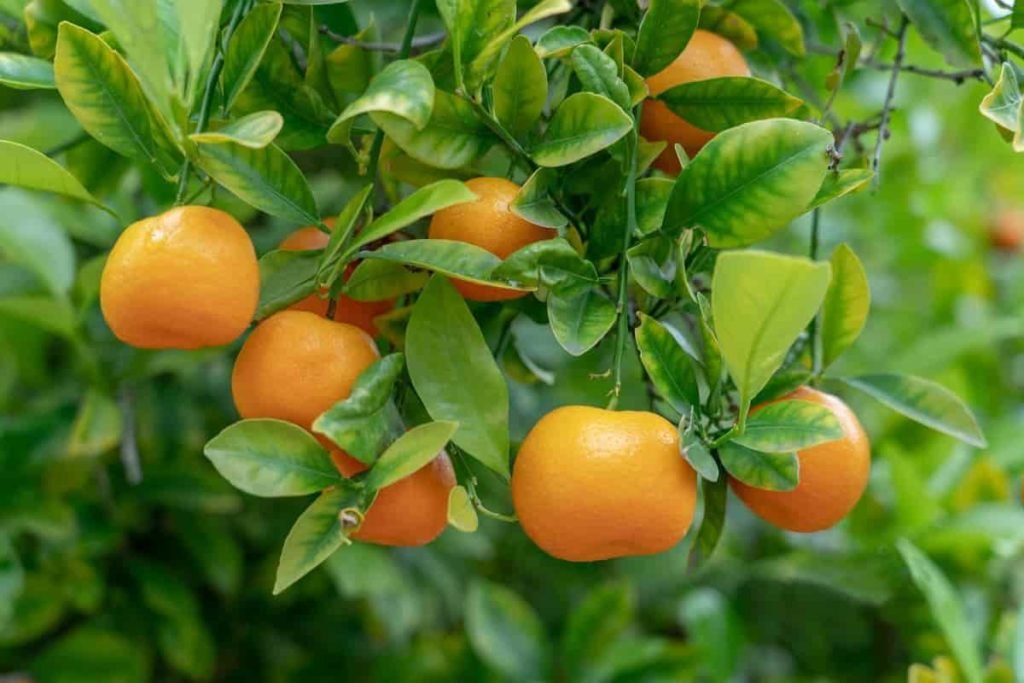
Growing orange trees from oranges might sound unusual, but it offers several advantages:
✔ Cost-Effective
You can use seeds from a fruit you already eat, saving money on nursery plants.
✔ Fun and Educational
Perfect for kids and beginners who want to learn about plant growth.
✔ Maintains Fruit Quality
When properly selected, seeds from healthy oranges produce trees that retain the same taste characteristics as the parent fruit.
✔ Sustainable Gardening
Reduces waste by turning orange seeds into productive trees.
✔ Ideal for Home Gardens
Can be grown in pots, balconies, or small backyard spaces.
🌱 Step 1: Select the Right Oranges
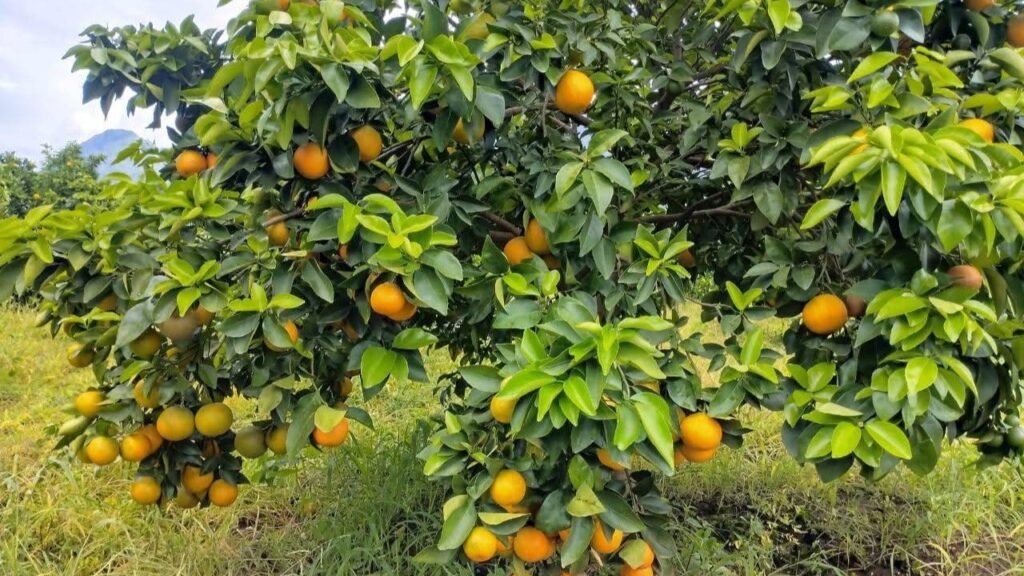
Choose fruits that are:
- Fully ripe and juicy
- Free from disease, bruises, or mold
- Preferably from a high-quality, sweet variety
The health of the fruit directly affects the germination and growth of the seed.
🌱 Step 2: Extract and Prepare Seeds
- Cut the orange and remove seeds carefully.
- Wash seeds under running water to remove pulp.
- Soak the seeds in water for 12–24 hours to soften the outer coating.
Tip: Use only the largest, healthy seeds for better germination.
🌱 Step 3: Pre-Germination (Optional but Recommended)
Pre-germination helps seeds sprout faster:
- Wrap the soaked seeds in a moist paper towel.
- Place the towel inside a zip-lock bag.
- Keep in a warm place for 5–7 days.
Check daily for the emergence of tiny roots. Once roots appear, seeds are ready for planting.
🌱 Step 4: Prepare the Growing Medium
Orange trees prefer well-draining, fertile soil.
Recommended Soil Mix:
- 40% garden soil
- 30% compost or vermicompost
- 20% cocopeat
- 10% sand
Fill small pots or polybags with this mixture. Ensure good drainage holes.
🌱 Step 5: Plant the Seeds
- Make a small hole about ½ inch deep.
- Place the seed with the root pointing down and the top pointing up.
- Cover lightly with soil.
- Water gently until soil is moist but not soggy.
Tip: Keep at least 2–3 inches of space between seeds if planting multiple seeds in one pot.
🌱 Step 6: Provide Ideal Germination Conditions
- Place pots in a warm, partially shaded area.
- Maintain consistent moisture.
- Avoid direct sunlight at this stage, as it may dry out seeds.
⏳ Germination Time
Seeds usually sprout within 2–4 weeks, depending on temperature and humidity.
🌱 Step 7: Transplant Seedlings
Once seedlings reach 4–6 inches and develop 2–3 true leaves:
- Transplant to larger pots (10–12 inches) or a prepared garden bed.
- Ensure well-draining soil and a sunny location.
- Water immediately after transplanting.
Tip: Space seedlings 3–5 feet apart in garden beds for optimal growth.
🌞 Step 8: Sunlight Requirements
Orange trees thrive in full sunlight:
- Provide 6–8 hours of sunlight daily.
- Partial shade is okay for young seedlings but full sun encourages healthy growth and flowering.
💧 Step 9: Watering Schedule
- Keep soil consistently moist but avoid waterlogging.
- Water 2–3 times per week for young plants.
- Reduce watering in rainy periods to prevent root rot.
Tip: Mulch around the base with straw or dry leaves to retain moisture.
🌱 Step 10: Fertilizing Orange Trees
Feed seedlings regularly to boost growth:
- Young Plants: Use vermicompost or cow dung every 30–40 days.
- After 6 months: Apply nitrogen-rich organic fertilizer for leaf growth.
- During Flowering: Use potash-rich fertilizers to support fruiting.
Tip: Avoid chemical fertilizers in early stages; organic fertilizers promote strong root and stem development.
🌿 Step 11: Pruning and Training
- Pinch the top shoots when seedlings reach 12–18 inches to encourage bushy growth.
- Remove weak or dead branches.
- Train the tree for a central leader system for stronger structure.
Proper pruning ensures better sunlight penetration, airflow, and higher fruit production.
🌱 Step 12: Pest and Disease Management
Common pests and issues:
- Aphids and whiteflies: Spray neem oil weekly.
- Fungal infections: Ensure good drainage and avoid overwatering.
- Leaf yellowing: Often due to nutrient deficiency; use compost or organic fertilizer.
Regular monitoring helps maintain a healthy tree.
🌳 Step 13: When Will Your Orange Tree Start Fruiting?
- Seed-grown trees usually take 3–5 years to bear fruit.
- Factors affecting fruiting:
- Sunlight exposure
- Soil fertility
- Proper watering and fertilization
- Pruning and care
Patience is key, but the reward is homegrown, sweet, and juicy oranges.
🌟 Tips for Maximum Success
- Choose Quality Seeds: Always select large, healthy seeds from sweet oranges.
- Use Fertile Soil: Healthy soil = healthy plants.
- Maintain Moisture: Keep soil damp but not waterlogged.
- Protect Young Plants: Shield seedlings from heavy rain and strong winds.
- Consistent Care: Regular watering, feeding, and pruning accelerate growth.
🌱 Advantages of This New Method
- Low Cost: No need to buy nursery saplings.
- Fun DIY Gardening: Engaging for kids and beginners.
- Sustainable: Reduces waste by using seeds from consumed fruits.
- Healthy Plants: Strong root system develops naturally.
- Potentially Faster Growth: Pre-germination and proper care speed up seedling development.
🌟 Conclusion
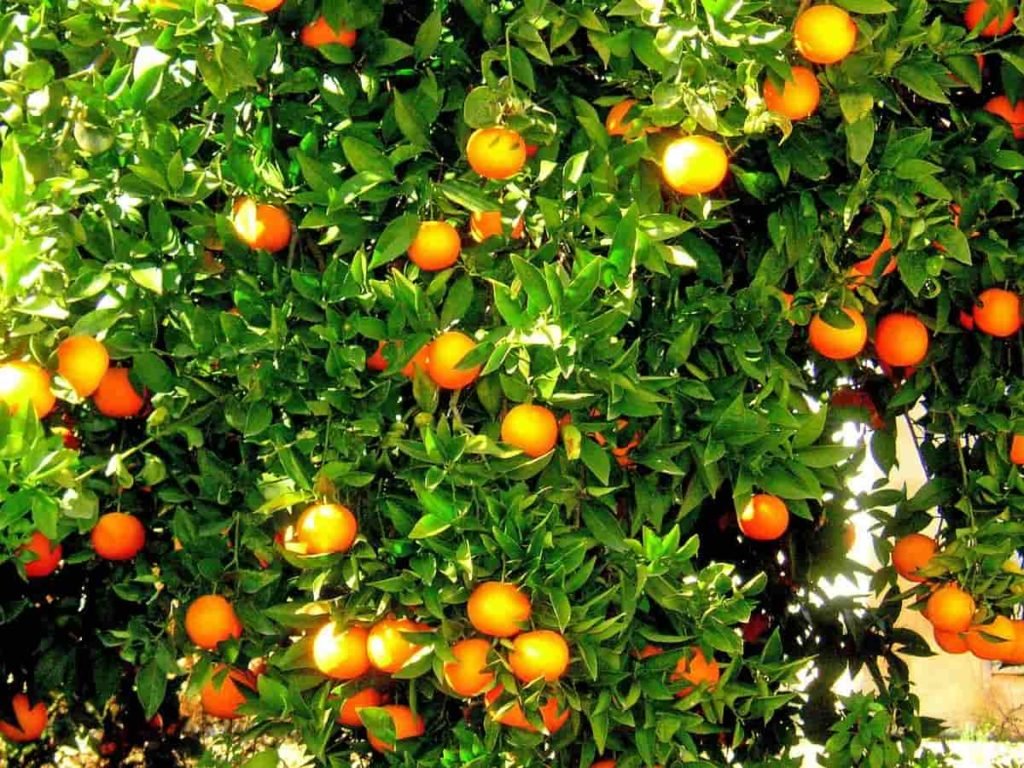
This new idea for growing orange trees from oranges allows anyone to start a garden with minimal investment, using fruit seeds that would otherwise go to waste. By following these steps—selecting healthy fruits, pre-germinating seeds, planting in nutrient-rich soil, and providing consistent care—you can grow strong orange trees that will bear sweet, homegrown fruit in a few years.
Whether for your balcony, backyard, or small orchard, this innovative method combines simplicity, efficiency, and sustainability. Start today, and watch your tiny seeds grow into a fruitful orange tree that brings health, joy, and delicious citrus goodness right to your home! 🍊🌱