Cucumbers are one of the most popular and versatile vegetables grown worldwide. They are refreshing, nutritious, and relatively easy to grow in gardens, pots, or even vertical spaces. But what if you could take cucumber cultivation a step further and grow a cucumber tree—a plant that produces a large yield in a compact space with strong, sturdy branches? This article reveals a new, innovative method for growing cucumber trees from seed, combining traditional gardening wisdom with modern propagation techniques to maximize growth and fruit production.
Why Grow a Cucumber Tree?
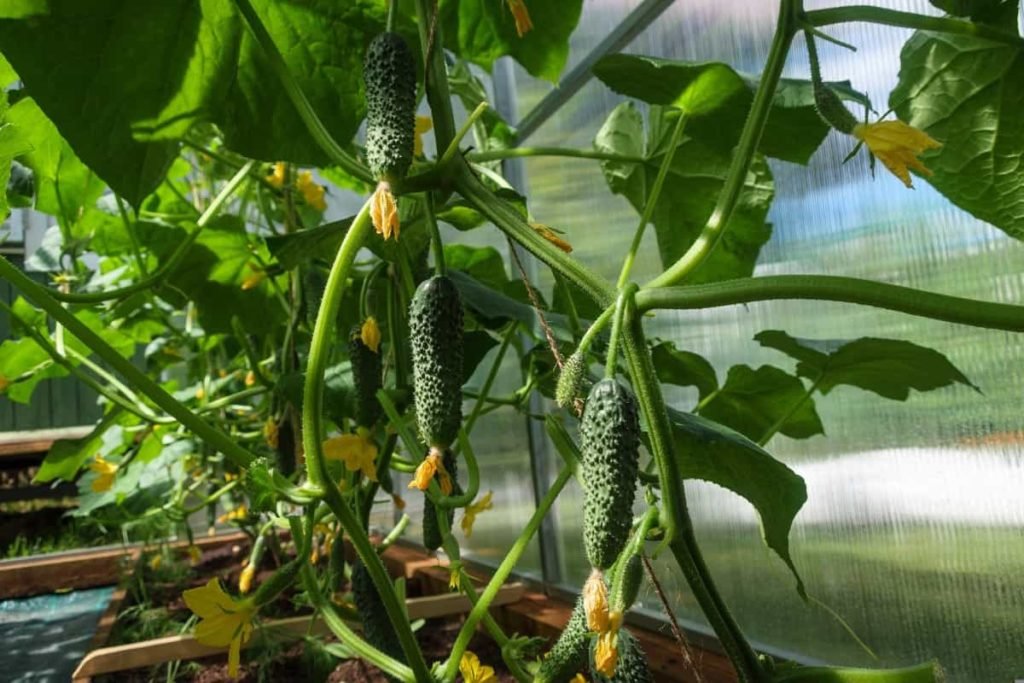
Typically, cucumber plants are vines that spread along the ground or climb trellises. While they are easy to manage, vine-type cucumbers often take up a lot of space and may be prone to pests, diseases, and damage. Growing a cucumber tree offers several advantages:
- Space-saving: Vertical growth reduces ground space usage.
- Higher yields: Strong branches support more fruits simultaneously.
- Ease of harvesting: Fruits hang and are easier to pick.
- Pest management: Air circulation reduces fungal infections.
- Aesthetic appeal: A cucumber tree can enhance garden beauty.
This innovative approach allows gardeners to cultivate cucumbers like small fruit trees, combining convenience, efficiency, and higher productivity.
Understanding the New Propagation Method
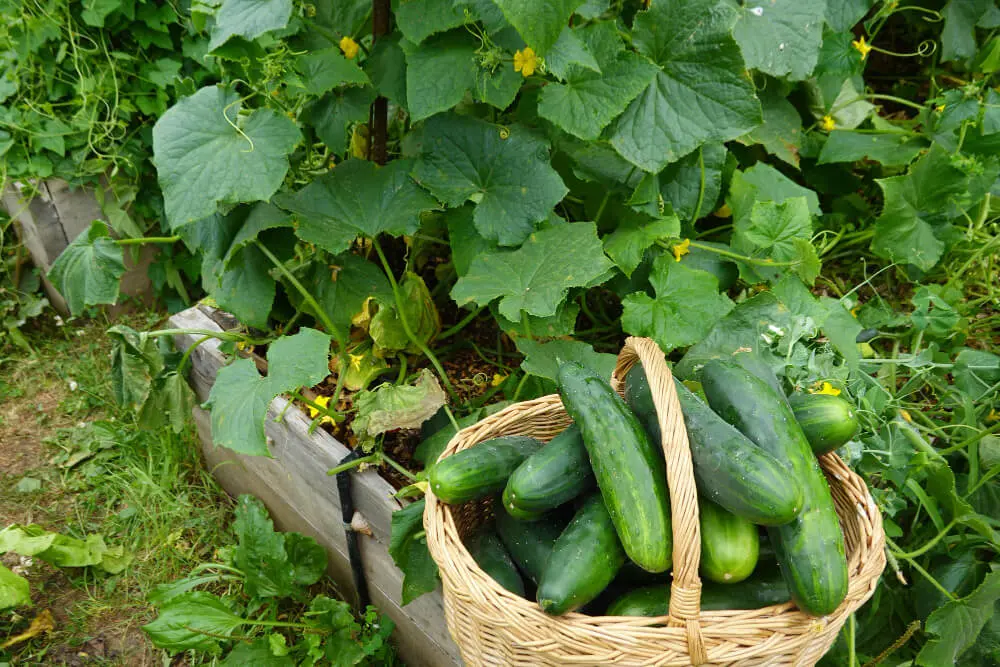
Traditional cucumber cultivation involves sowing seeds in the soil, supporting vines with trellises, and harvesting over time. The new method for growing a cucumber tree focuses on:
- Strong root establishment
- Promoting vertical growth from an early stage
- Encouraging thick stems and branch development
- Using natural growth boosters to accelerate fruiting
This technique ensures that the cucumber plant transforms into a tree-like structure, capable of bearing more fruit over a longer period.
Step 1: Selecting the Right Seeds
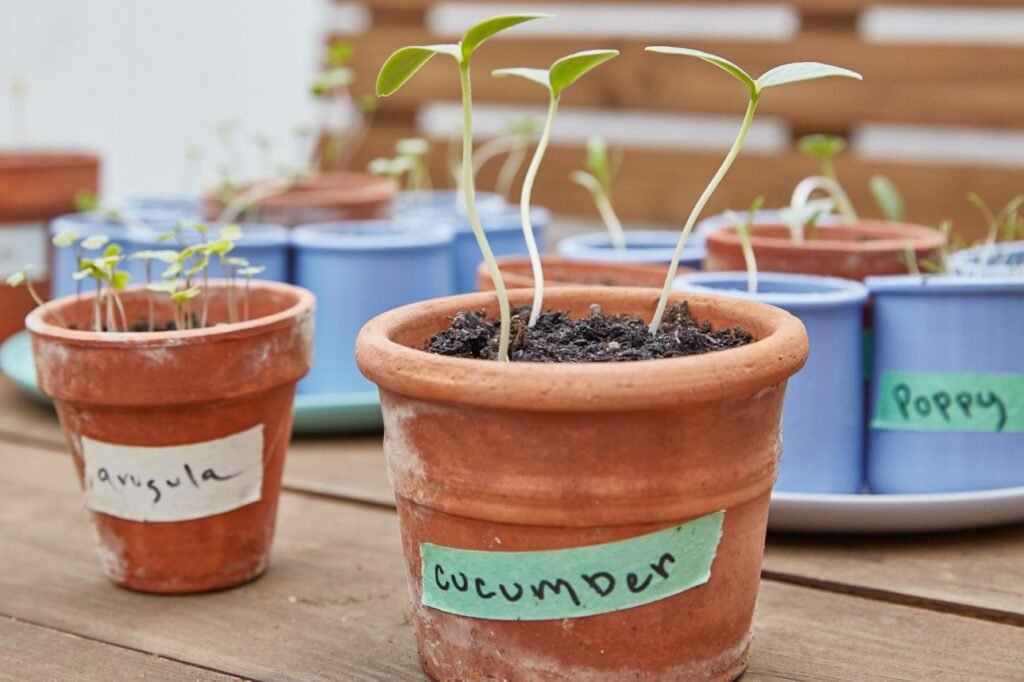
Choosing the right cucumber variety is crucial. Some varieties are better suited for vertical, tree-like growth:
- Gherkin or mini cucumber: Ideal for compact spaces.
- Long cucumber (e.g., Marketmore, Poinsett): Produces large fruits and strong stems.
- Hybrid varieties: Faster growth and disease-resistant.
Secret Tip: Choose seeds from healthy, organic cucumbers to ensure strong growth and high germination rates.
Step 2: Preparing the Soil and Container
Healthy soil forms the foundation of a strong cucumber tree.
Soil Preparation:
- Use a mixture of garden soil + compost + cocopeat in a 2:1:1 ratio.
- Ensure good drainage to prevent root rot.
- Slightly acidic to neutral pH (6.0–7.0) is ideal.
Container Selection (Optional):
- For home gardens, use large pots or containers (at least 12–15 inches deep).
- Ensure drainage holes to prevent waterlogging.
Secret Tip: Add banana peel powder or vermicompost to the soil to enhance growth and promote flowering.
Step 3: Seed Germination
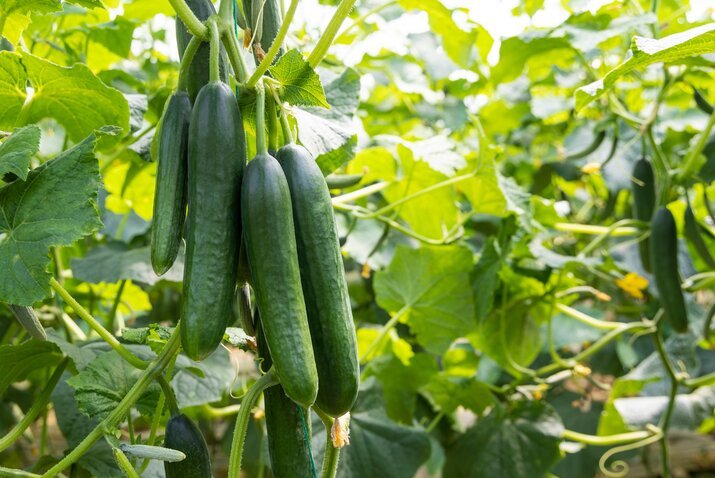
The new method emphasizes strong early root development:
- Soak cucumber seeds in lukewarm water for 6–8 hours.
- Prepare small seedling trays or pots with damp soil.
- Plant the seeds ½ inch deep.
- Cover lightly with soil and maintain moisture.
- Keep in a warm area with indirect sunlight.
Observation: Seeds usually sprout within 5–7 days, showing early signs of healthy growth.
Step 4: Promoting Strong Stem Growth
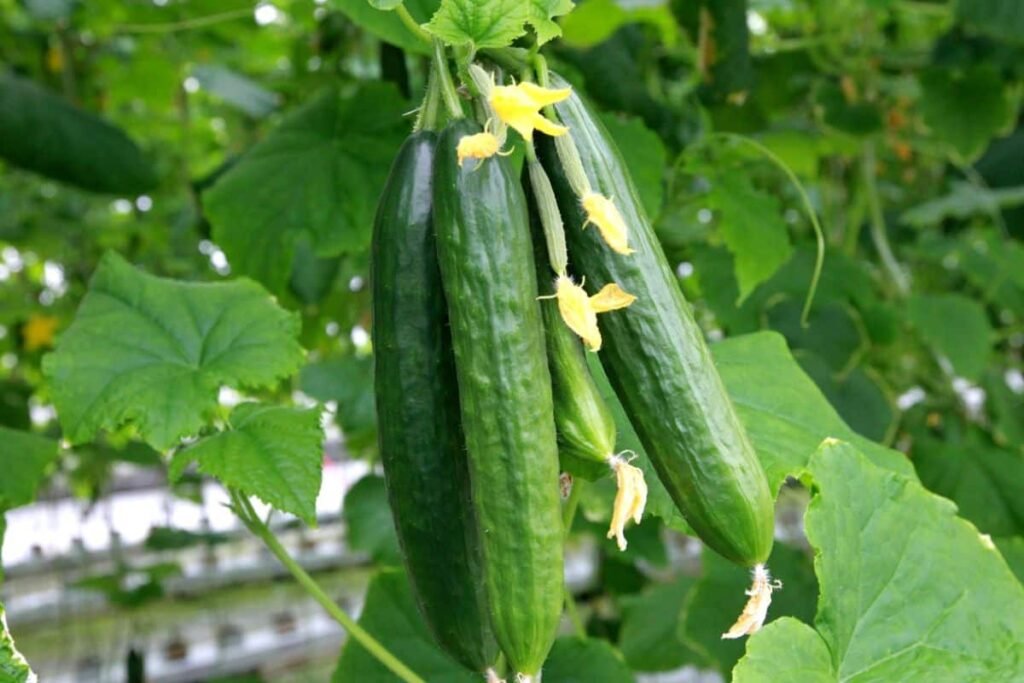
A cucumber tree requires a sturdy, central stem:
- When seedlings have 2–3 true leaves, transplant them to the main pot or garden bed.
- Install a vertical support stick or bamboo pole in the center of the planting hole.
- Tie the seedling gently to the support.
- This encourages vertical growth rather than spreading vines.
Secret Tip: Applying aloe vera gel or banana extract at the stem base can stimulate faster growth and strengthen the plant’s stem.
Step 5: Branch Formation and Tree Structure
To create a tree-like cucumber plant:
- Allow the main stem to grow 12–15 inches tall.
- Pinch off the top of the stem to encourage lateral branches.
- Train lateral branches around a circular support or trellis to form a structured canopy.
- Continue trimming weak or excess branches to focus energy on strong fruit-bearing branches.
Secret Tip: Foliar spraying with diluted organic compost tea once every 10 days improves branch strength and leaf health.
Step 6: Watering and Mulching Secrets
Proper hydration is crucial for cucumber trees:
- Water once or twice daily during hot weather for seedlings.
- Reduce frequency for mature plants but ensure the soil is always slightly moist.
- Apply mulch around the base using straw, coconut husk, or dry leaves to retain moisture and prevent weed growth.
Secret Insight: Mulching also reduces soil temperature, prevents root damage, and encourages early flowering.
Step 7: Fertilization for Maximum Fruit Production
Healthy foliage and strong branches require nutrients:
- Organic fertilizers: Vermicompost, cow dung, compost
- Chemical fertilizers (optional): NPK 10:10:10 for early growth, Potash-rich fertilizer during flowering
- Micronutrients: Magnesium, zinc, and iron help produce more flowers and fruits
Special Tip: Applying a diluted banana peel or coconut water solution every 15 days boosts flowering and fruit size naturally.
Step 8: Flowering and Pollination Secrets
Cucumber trees need proper flower management:
- Male and female flowers appear at different times.
- Ensure pollination by planting near bees or manually using a brush.
- Remove weak flowers to focus energy on developing healthy fruits.
Secret Tip: Spraying a mild neem solution can prevent pests like aphids or whiteflies from damaging flowers.
Step 9: Fruit Development and Harvesting
Cucumber fruits grow rapidly on a healthy tree:
- Fruits usually mature in 45–60 days, depending on the variety.
- Harvest when the fruit is firm, bright green, and reaches desired size.
- Regular harvesting encourages continuous flowering and fruiting.
Pro Tip: Avoid leaving overripe fruits on the tree; they reduce new flower formation and nutrient allocation.
Step 10: Maintaining Tree Health
Cucumber trees can face common issues:
- Powdery mildew: Spray organic milk solution (1:10)
- Root rot: Ensure well-drained soil and avoid overwatering
- Yellowing leaves: Apply magnesium-rich fertilizer
- Pests: Use neem oil or introduce ladybugs for natural pest control
Proper care ensures your cucumber tree produces maximum yields season after season.
Advanced Gardening Secrets for Cucumber Trees
- Companion planting: Plant basil, marigold, or dill nearby to repel pests naturally.
- Organic growth boosters: Banana peel powder, aloe gel, or compost tea improve vigor.
- Controlled pruning: Encourages strong branches and prevents weak, overgrown vines.
- Vertical supports: Using circular trellises creates a tree canopy, making harvesting easier.
These techniques take traditional cucumber cultivation to the next level, producing a high-yielding, compact, and manageable cucumber tree.
Conclusion
Growing a cucumber tree from seed is no longer a distant dream. By following this new propagation method, gardeners can enjoy:
- Faster germination and strong seedlings
- A central, sturdy stem for tree-like growth
- Healthy lateral branches for maximum fruit production
- Reduced pest and disease problems
- Easier harvesting and higher yields
This innovative approach transforms ordinary cucumber vines into tree-like plants that are not only productive but also visually appealing. By combining smart soil preparation, natural growth boosters, structured pruning, and proper care, you can successfully cultivate a cucumber tree in your home garden or farm—ensuring fresh, nutritious cucumbers throughout the season.