Apples are one of the world’s most beloved fruits, enjoyed fresh, in desserts, juices, and countless culinary delights. For gardeners and fruit enthusiasts, growing apple trees can be both rewarding and challenging. Traditionally, apple trees are propagated through grafting, budding, or buying young seedlings. But imagine if you could grow apple trees directly from apples themselves!
This article introduces an amazing new idea for propagating apple trees from apples, guiding you step-by-step from fruit selection to planting, care, and harvesting. With this innovative technique, you can grow healthy, productive apple trees right from the comfort of your home or orchard.
Why Growing Apple Trees from Apples is Exciting
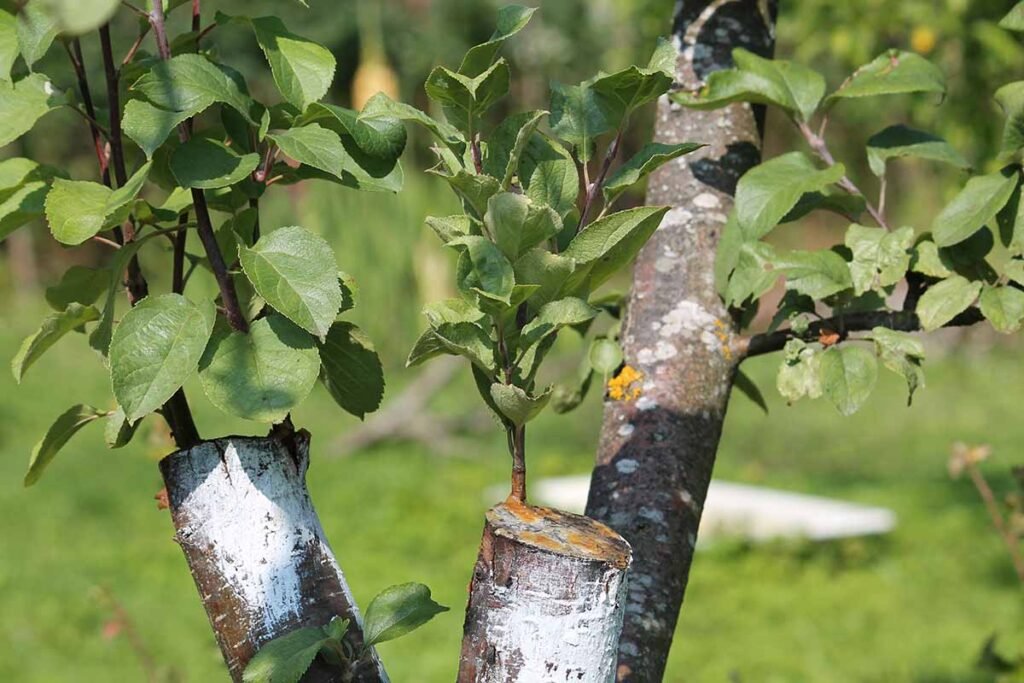
Growing apple trees directly from fruit offers several advantages:
- Cost-effective: No need to buy expensive saplings or grafted plants.
- Fun and rewarding: Experience the joy of creating a tree from a single apple.
- Genetic diversity: Apple seeds can produce unique varieties.
- Sustainability: Reuse seeds from fruit you already have, reducing waste.
This method combines traditional gardening wisdom with modern propagation hacks, ensuring high success rates for home gardeners and small-scale orchards.
Step 1: Choosing the Right Apple Fruit
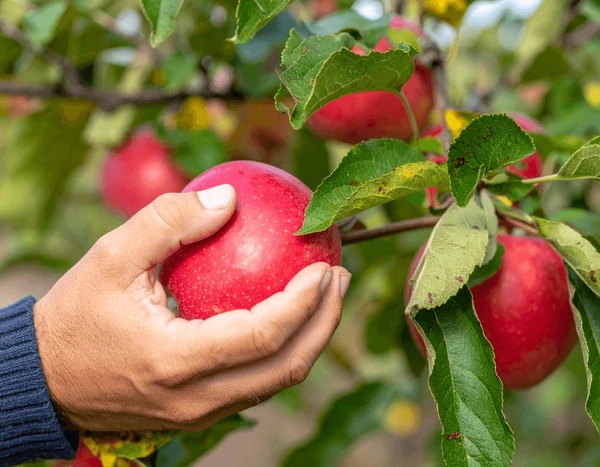
The first step in propagating apple trees from apples is selecting the right fruit:
- Select a ripe, healthy apple: Choose apples that are fully mature, free from blemishes, bruises, or signs of disease.
- Prefer organic apples: Avoid apples treated with chemicals, as seed germination can be affected.
- Consider apple variety: Some varieties produce better seedlings and stronger trees. Common options include Fuji, Gala, Honeycrisp, or Red Delicious.
Pro Tip: Choosing fruit from high-yielding and disease-resistant trees increases the chances of strong, productive seedlings.
Step 2: Extracting and Preparing Seeds
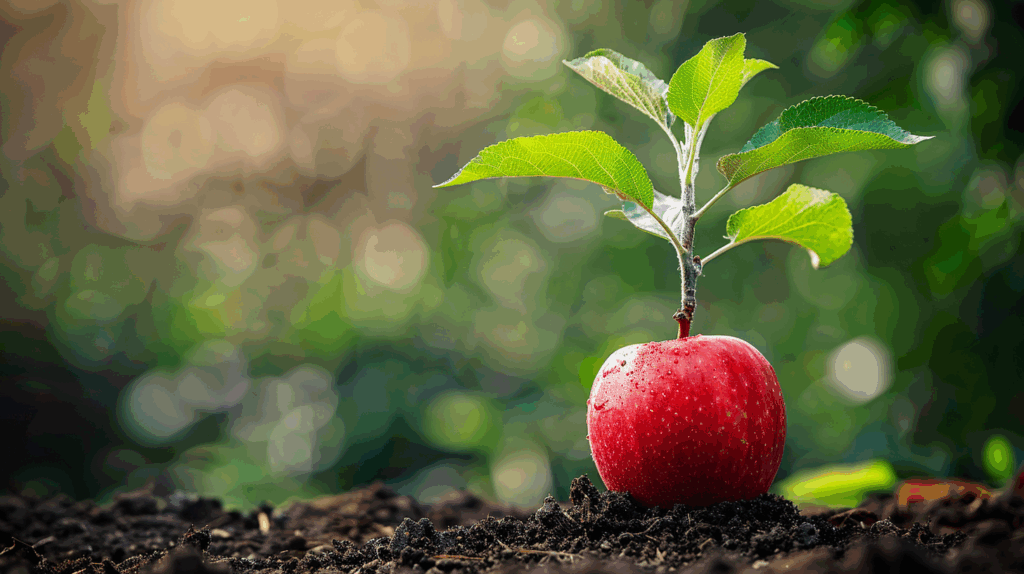
Apple seeds need careful handling for successful propagation:
How to Extract Seeds
- Cut the apple into halves.
- Remove the seeds from the core carefully.
- Rinse the seeds in clean water to remove fruit residue.
Preparing Seeds for Germination
- Soak seeds in water for 24 hours.
- Optional: Remove the thin outer coating for faster germination.
- Dry seeds in shade for 1–2 days before planting.
Secret Insight: Proper seed cleaning removes natural inhibitors and increases germination rates.
Step 3: Stratification – The Secret to Apple Seed Germination
Apple seeds require a process called cold stratification to break dormancy:
How to Stratify Seeds
- Place seeds in a damp paper towel or sand.
- Store in a refrigerator at 2–5°C for 6–8 weeks.
- Check regularly to ensure seeds remain moist but not soggy.
Pro Tip: Stratification mimics natural winter conditions, triggering the seeds to sprout in spring. Without it, germination may be slow or unsuccessful.
Step 4: Preparing Soil and Containers
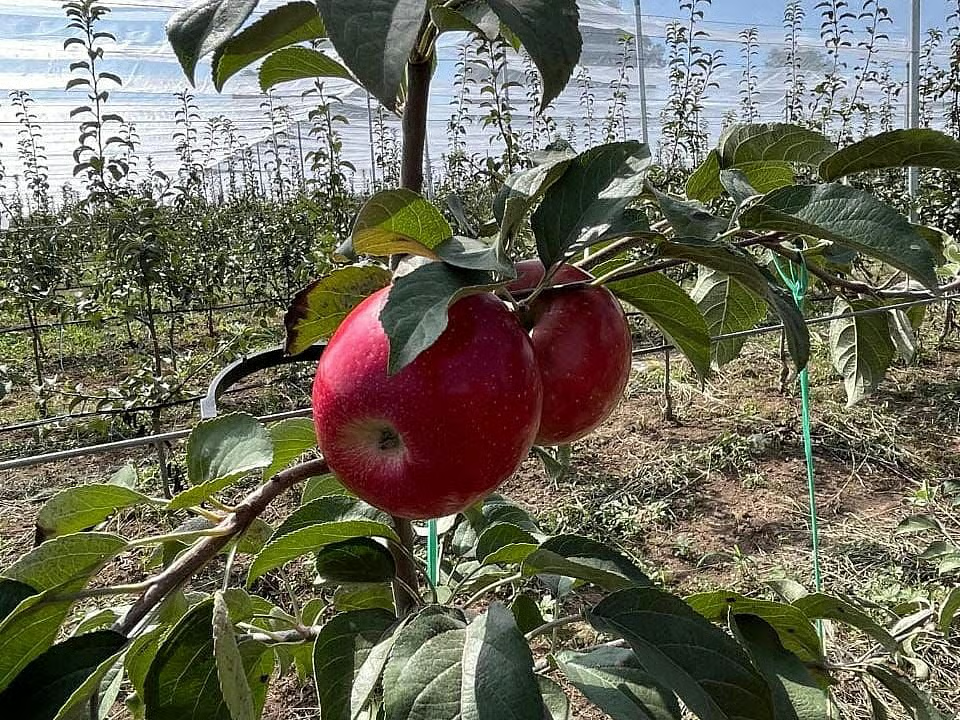
Healthy soil is critical for seedling growth:
- Use well-draining soil, rich in organic matter.
- A mixture of garden soil, compost, and sand (2:1:1) works perfectly.
- Choose pots, seedling trays, or polybags with proper drainage holes.
Secret Insight: Adding coconut husk or vermicompost enhances moisture retention and provides essential nutrients for the young apple seedlings.
Step 5: Planting Apple Seeds
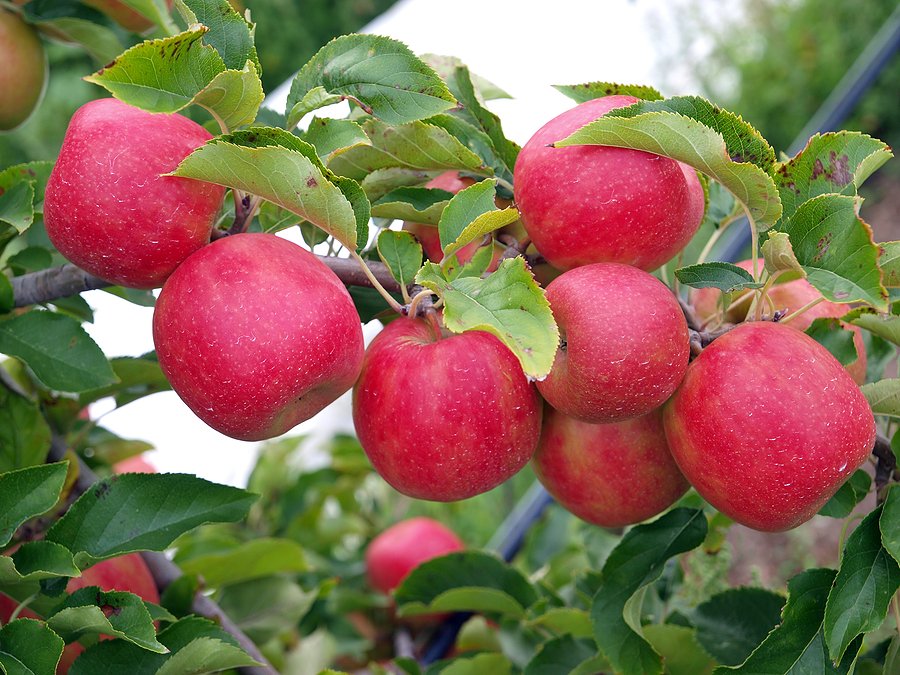
Once seeds are stratified, it’s time to plant:
- Fill your containers with prepared soil.
- Plant seeds about 1–2 cm deep.
- Cover lightly with soil and water gently.
- Keep containers in a warm, bright area with indirect sunlight.
Pro Tip: Avoid overwatering in the early stages; moist but not soggy soil encourages strong root development.
Step 6: Germination and Early Growth
Apple seeds sprout within 2–4 weeks under optimal conditions:
- Monitor soil moisture daily.
- Remove weeds or competing plants around the seedlings.
- Maintain a temperature range of 18–24°C for healthy growth.
Secret Insight: Using a small transparent cover or mini greenhouse over the container helps maintain humidity and warmth, speeding up germination.
Step 7: Transplanting Seedlings
Once seedlings develop 4–6 true leaves, they are ready for transplanting:
- Prepare planting pits in the garden or larger pots (about 2 feet deep and wide).
- Mix garden soil with compost and sand for better fertility.
- Transplant seedlings carefully, keeping the root ball intact.
- Water immediately after transplanting.
Pro Tip: Space seedlings 4–5 feet apart to allow proper growth and air circulation.
Step 8: Caring for Young Apple Trees
Young apple trees require attentive care for strong growth:
- Watering: Keep soil consistently moist but avoid waterlogging.
- Sunlight: Ensure at least 6–8 hours of sunlight per day.
- Fertilization: Use organic fertilizers or NPK 10:10:10 during the early stages.
Secret Tip: Foliar sprays of diluted banana extract or compost tea can boost growth and help prevent pests.
Step 9: Pruning and Tree Shaping
Pruning shapes the tree and encourages strong branches and fruiting:
- Remove damaged or weak branches.
- Thin branches to allow sunlight to reach the inner canopy.
- Pinch or trim top shoots to encourage lateral growth.
Secret Insight: Proper pruning not only strengthens the tree but also reduces pest infestation and improves fruit quality.
Step 10: Flowering and Pollination Secrets
Apple trees produce male and female flowers, and some are self-pollinating:
- Encourage pollinators like bees for better fruit set.
- Hand-pollination increases the chances of fruit in young trees.
- Removing excess flowers prevents energy waste and encourages larger fruits.
Pro Tip: Applying diluted sugar water or natural compost tea on flowers can attract pollinators and enhance fruit production.
Step 11: Pest and Disease Management
Common issues include:
- Aphids, mites, and caterpillars
- Fungal diseases like apple scab or powdery mildew
Management Tips:
- Use neem oil, garlic spray, or organic pesticides.
- Remove affected leaves or fruits promptly.
- Ensure proper spacing and pruning to reduce fungal problems.
Secret Insight: Companion planting with marigold or basil naturally repels pests.
Step 12: Harvesting Apples
Apple trees grown from seeds may take 3–5 years to bear fruit, depending on the variety and care:
- Harvest when fruits have firm skin and vibrant color.
- Use pruning shears to avoid damaging branches.
- Harvesting regularly encourages new flowers and more fruit production.
Pro Tip: Avoid leaving overripe fruit on the tree as it reduces overall productivity.
Advanced Tips for Maximum Yield
- Organic boosters: Use compost, banana peel powder, or cow dung around the base.
- Mulching: Helps retain moisture, reduce weeds, and supply nutrients.
- Temperature management: Apple seedlings prefer cool, moderate climates for best growth.
- Monitoring: Check regularly for pests, nutrient deficiencies, and water stress.
Conclusion
Propagating apple trees directly from apples is not only amazing but also an effective and rewarding gardening technique. By following the steps of selecting healthy fruit, preparing seeds, stratification, proper planting, care, pruning, and pollination, you can grow strong, productive apple trees that will provide delicious fruits for years.
This method empowers home gardeners to create apple trees from fruits they already have, saving costs, enhancing sustainability, and bringing the joy of growing apples right from scratch. With patience, attention, and proper care, your garden can transform into a fruitful paradise full of sweet, healthy apples.