Guava is one of the most beloved tropical fruits worldwide. Its refreshing aroma, sweet-tart flavor, and versatility make it perfect for fresh eating, juices, desserts, and jams. But have you ever seen an orange guava like this—bright, juicy, and bursting with flavor unlike any guava you’ve tasted before?
Recently, gardeners, fruit enthusiasts, and home growers have been sharing videos and images of extraordinary orange guavas that look spectacular and taste even better. In this article, we’ll explore why these orange guavas are so special, how to grow them successfully, and tips for getting the largest, sweetest fruits possible.
🌱 What Makes Orange Guava So Unique?
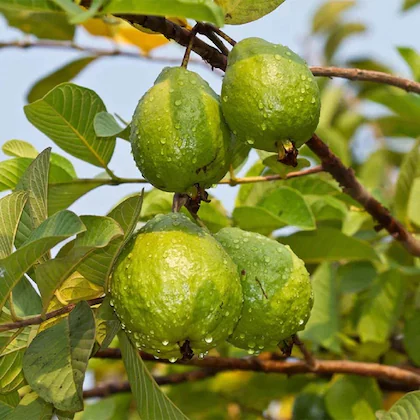
Guavas come in many varieties, but the orange guava stands out because of its:
- Vibrant Orange Flesh
While most guavas have white or pink flesh, orange guavas display a bright, juicy orange interior that is visually stunning. - Sweet, Tropical Flavor
The taste is sweeter and more aromatic than standard guava varieties, with a perfect balance of tanginess. - High Nutritional Value
Orange guavas are rich in:
- Vitamin C (up to 4 times that of oranges)
- Vitamin A
- Dietary fiber
- Antioxidants
- Juicy Texture
The flesh is soft and succulent, making it ideal for fresh consumption or processing into juices and jams. - Eye-Catching Appearance
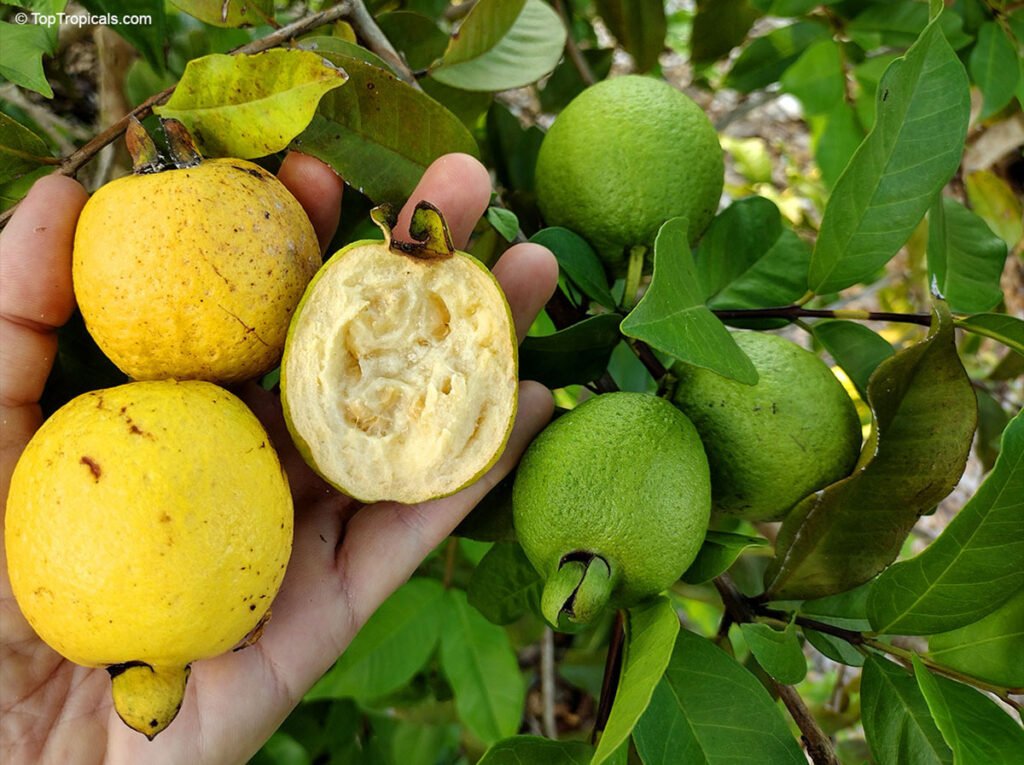
The combination of golden-orange flesh and green skin makes it perfect for fruit displays, photography, and even selling at premium markets.
No wonder people keep saying, “Did you ever see an orange guava like this?”
🌿 Why Everyone Is Watching Orange Guavas
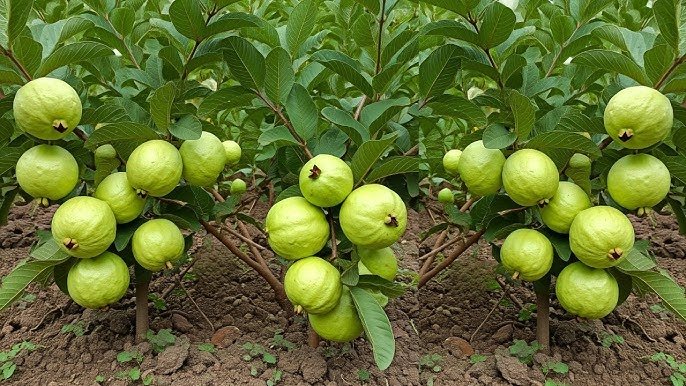
Orange guavas are becoming viral in the gardening community because of their:
- Unusual color: It’s rare to find guavas with bright orange pulp.
- Extra sweetness: Some varieties are naturally candy-like.
- Large size: Many fruits can grow 2–3 times larger than standard guavas.
- High market demand: Specialty fruit lovers and chefs are willing to pay premium prices.
Many of these traits come from grafted trees, where the best orange-fleshed guava scions are attached to healthy rootstocks, ensuring the fruit’s unique color, flavor, and size.
🌱 How to Grow Orange Guava Successfully
Growing orange guava requires some care and attention, but with the right techniques, anyone can grow trees that produce large, sweet, orange fruits.
1. Choosing the Right Location
- Full sun exposure for at least 6–8 hours daily
- Well-drained soil with good fertility
- Avoid waterlogged areas
- Slightly acidic to neutral soil (pH 5.5–7)
Orange guavas thrive in tropical and subtropical climates but can also grow in pots or greenhouses in cooler areas.
2. Selecting the Right Planting Material
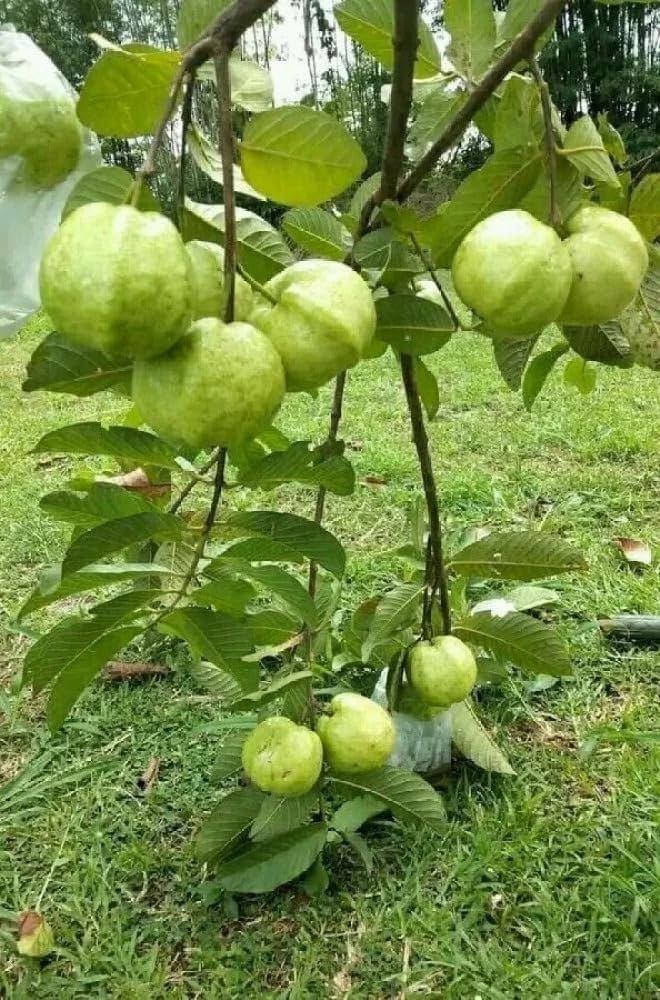
There are two main options:
- Seeds
- Use fresh seeds from ripe orange guavas
- Soak in water for 24–48 hours
- Plant in a seed-starting mix
- Germination takes 2–4 weeks
Note: Seed-grown guavas may take 3–5 years to fruit and may not maintain true color or flavor.
- Grafted Plants (Recommended)
- Use scions from a high-quality orange guava tree
- Graft onto hardy guava rootstock
- Ensures true-to-type fruit, early fruiting, and higher yield
- Often fruits in 1–2 years
3. Planting Technique
- Dig a hole 2–3 times the size of the root ball
- Mix soil with compost or well-rotted manure
- Plant slightly above soil level for good drainage
- Water thoroughly after planting
- Mulch around the base to retain moisture
💧 Watering and Fertilizing Orange Guavas
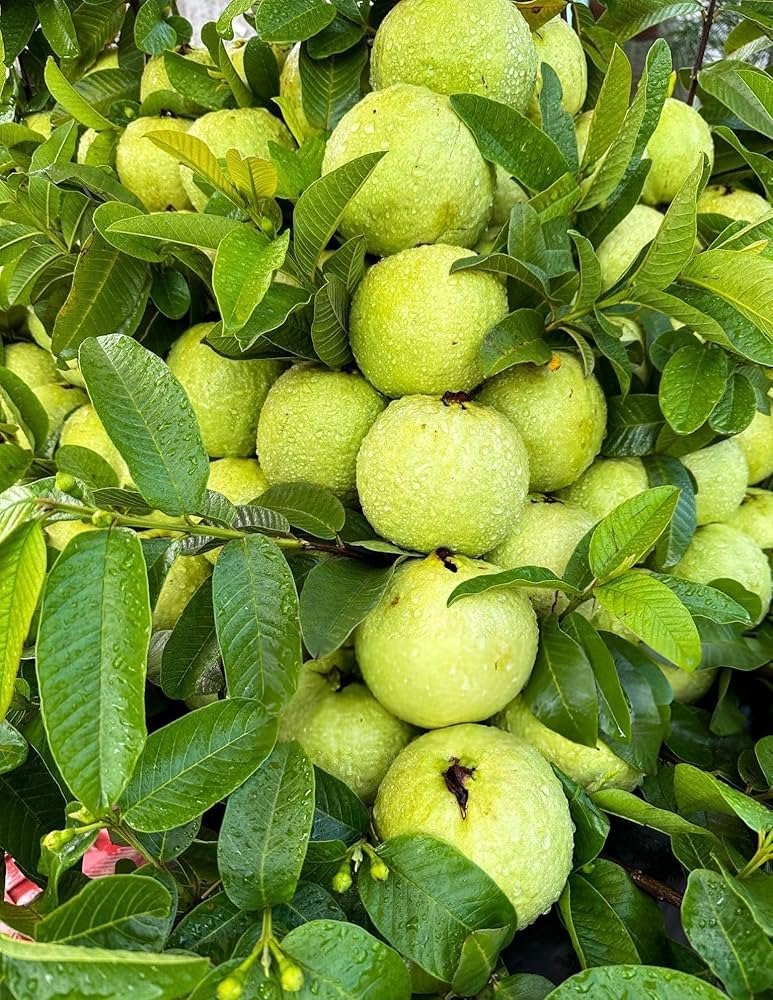
Watering
- Young plants: Keep soil moist, water every 2–3 days
- Mature trees: Deep watering once or twice per week
- Avoid waterlogging to prevent root rot
Fertilizing
- Balanced NPK fertilizer every 6–8 weeks
- Organic options: compost, cow dung, seaweed extract
- Potassium-rich fertilizers during flowering for better fruit size and sweetness
Mulching with organic matter not only retains moisture but also improves soil fertility over time.
🌸 Flowering and Fruit Development
Orange guavas produce small, white flowers that are highly fragrant. These flowers attract bees, butterflies, and other pollinators, which improves fruit set.
Pollination
- Natural pollination works well
- Hand pollination can increase yield, especially in greenhouses or urban gardens
Fruit Development
- Fruits appear 2–3 months after flowering
- Ripen in 3–5 months depending on climate
- Harvest when the skin turns slightly yellow-green and the fruit gives slightly under gentle pressure
Large, orange-fleshed guavas are ready to eat when fully ripe and soft.
✂ Pruning and Training Tips
Pruning is essential to get high-quality fruits:
- Remove dead or crossing branches
- Maintain an open canopy for sunlight penetration
- Thin excess fruits to allow remaining fruits to grow larger
- Train branches to support heavy fruits
Proper pruning ensures the fruits reach their maximum size, sweetness, and vibrant orange color.
🐛 Pests and Diseases
Orange guavas are hardy, but some pests and diseases to watch for include:
- Fruit flies: Use traps or cover fruits
- Aphids: Spray with neem oil or insecticidal soap
- Anthracnose: Remove infected leaves and fruits, use organic fungicides
- Root-knot nematodes: Rotate crops or plant marigold companions
With regular monitoring and care, your guava tree can stay healthy and productive.
🍹 How to Enjoy Orange Guavas
The vibrant orange pulp is not only beautiful but also versatile:
- Fresh Eating: Scoop out the pulp and enjoy its sweet-tart flavor.
- Juices and Smoothies: Blend with water or other tropical fruits for a refreshing drink.
- Desserts: Use in fruit salads, puddings, or jams.
- Cooking: Incorporate into sauces, marmalades, or tropical dishes.
- Garnishing: Its striking color adds a visual pop to plates and drinks.
Its natural sweetness often allows you to use little or no added sugar.
🌟 Tips to Grow Extraordinary Orange Guavas Like You’ve Never Seen
- Use grafted plants to maintain true-to-type fruit color and flavor.
- Provide full sunlight for best flavor and sugar content.
- Water consistently but avoid overwatering.
- Feed potassium-rich fertilizers during flowering and fruiting.
- Prune regularly to encourage larger fruits.
- Hand-pollinate flowers if pollinators are scarce.
- Thin excess fruits to increase size and sweetness.
Follow these steps, and you’ll have orange guavas that are juicy, sweet, and visually stunning, making everyone ask, “Did you ever see an orange guava like this?”
🌎 Where Orange Guavas Thrive
- Tropical and subtropical regions
- USDA zones 9–11 for outdoor growth
- Can also grow in containers or greenhouses in cooler climates
- Requires protection from frost and cold winds
These extraordinary orange guavas are perfect for home gardens, small orchards, or even urban gardening projects.
🍊 Final Thoughts: Did You Ever See an Orange Guava Like This?
Orange guavas are not just a fruit—they are a sensory experience. From their vibrant color to their sweet-tart flavor, they’re a treat for the eyes, taste buds, and health. By choosing grafted plants, providing proper care, and following the growing techniques above, you can grow extraordinary orange guavas that will amaze your family, friends, and neighbors.
Whether eaten fresh, made into juice, or used in desserts, these fruits are truly special. So the next time someone asks, “Did you ever see an orange guava like this?”, you can proudly show your garden and your extraordinary harvest.