Passion fruit is one of the most exotic, flavorful, and versatile fruits you can grow in your garden. Its tropical aroma, tangy-sweet taste, and beautiful seeds make it a favorite for juices, desserts, and smoothies. But have you ever seen a pink passion fruit like this—vibrant, unusually large, and bursting with intense flavor?
This article explores this rare and captivating pink variety, why it’s special, and how you can grow it successfully in your own backyard. Whether you’re a hobby gardener, a fruit enthusiast, or just love experimenting with new plants, this guide will help you understand everything about this extraordinary passion fruit.
🌱 What Makes Pink Passion Fruit So Unique?
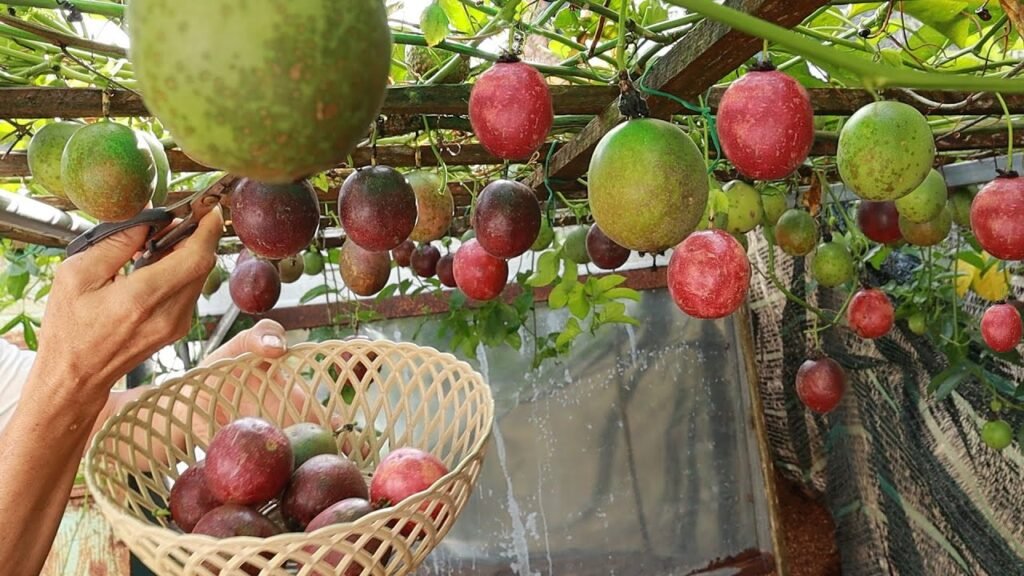
While most passion fruits are purple, yellow, or green, the pink passion fruit stands out for several reasons:
- Vibrant Pink Skin
Unlike traditional passion fruits, this variety has a soft pink exterior that catches the eye immediately. - Sweet-Tart Flavor
The pulp is tangy yet naturally sweet, making it perfect for fresh eating, juices, or desserts. - High Nutritional Value
Packed with vitamins A and C, antioxidants, dietary fiber, and essential minerals. - Beautiful Presentation
Its pink color makes it ideal for garnishes, fruit salads, and natural food photography. - Higher Market Value
Rare pink varieties can fetch premium prices in farmers’ markets and specialty stores.
This combination of beauty, flavor, and nutrition makes pink passion fruit highly desirable for both home gardeners and commercial growers.
🌿 Did You Ever See a Pink Passion Fruit Like This? How It’s Grown
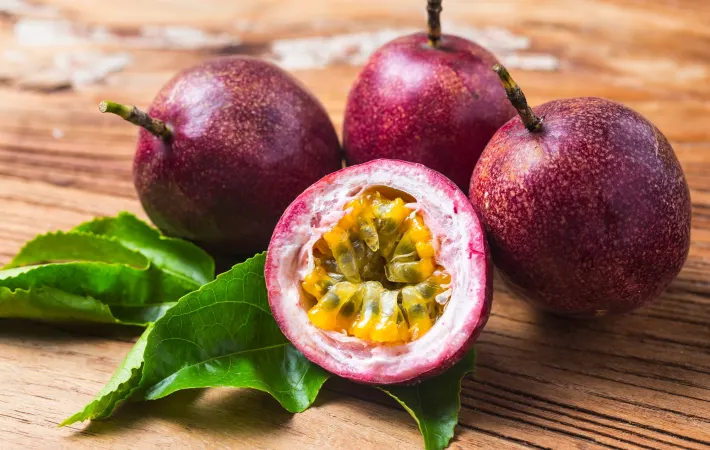
Pink passion fruit is not only visually stunning but also surprisingly easy to cultivate when given the right conditions. Here’s how to grow it from seedlings or cuttings.
1. Climate and Soil Requirements
- Climate: Tropical and subtropical regions, 20°C–30°C (68°F–86°F)
- Soil: Well-drained, fertile soil with a pH of 6–7
- Sunlight: At least 6–8 hours of full sun daily
- Humidity: Moderate to high, though it can tolerate some drought once established
Pink passion fruit thrives when protected from strong winds and frost.
2. Choosing the Right Planting Material
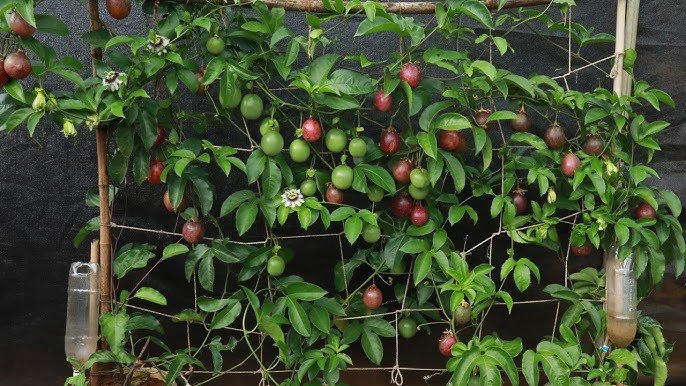
There are two main ways to grow pink passion fruit:
- Seeds:
- Take fresh seeds from a ripe fruit
- Clean and dry for 24 hours
- Germinate in moist seed-starting mix
- Takes 2–3 weeks to sprout
- Cuttings / Grafting (Preferred for Pink Varieties):
- Take a 6–12 inch cutting from a healthy mother plant
- Remove lower leaves
- Root in water or a soil mix
- Ensures true-to-type fruit and faster fruiting
Many gardeners prefer grafted plants for pink passion fruit because they maintain the color, flavor, and yield of the parent.
3. Planting Technique
- Dig a hole twice the size of the root ball or cutting
- Mix soil with compost or organic matter
- Plant at the same depth as it grew in the nursery
- Provide a trellis or support for the vine to climb
Passion fruit vines can grow 10–15 feet in a single season, so strong support is essential.
💧 Watering and Fertilizing for Pink Passion Fruit
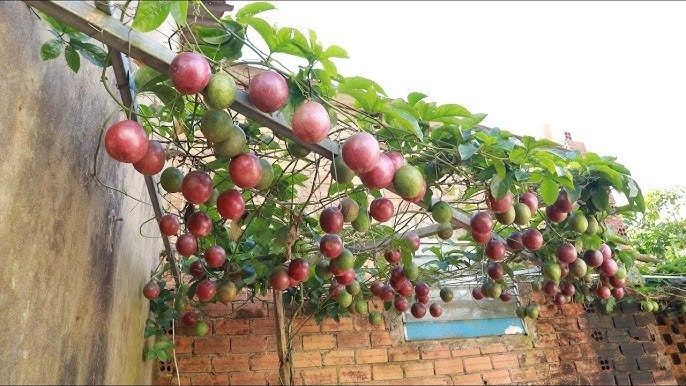
Watering
- Young plants: Water every 2–3 days to keep soil moist
- Mature plants: Deep watering 1–2 times per week
- Avoid waterlogging, which causes root rot
Fertilizing
Feed your pink passion fruit with:
- Organic compost monthly
- Balanced NPK fertilizer every 6–8 weeks
- Potassium-rich fertilizers during flowering to improve fruit size and sweetness
Additional tips:
- Mulch around the base to retain moisture and reduce weeds
- Avoid excessive nitrogen, which promotes leafy growth over flowering
🌸 Flowering and Fruit Development
Pink passion fruit vines produce beautiful purple-pink flowers with a delicate fragrance. Pollination can be:
- Natural: Bees and butterflies
- Hand pollination: Ensures higher fruit set, especially in greenhouse or container setups
Once pollinated:
- Fruits appear in 2–3 months
- Fruits ripen when the skin turns soft and slightly wrinkled
- Color intensifies as they reach full maturity
Pink passion fruits are heavier and sweeter than standard purple varieties if grown properly.
✂ Pruning and Training Tips
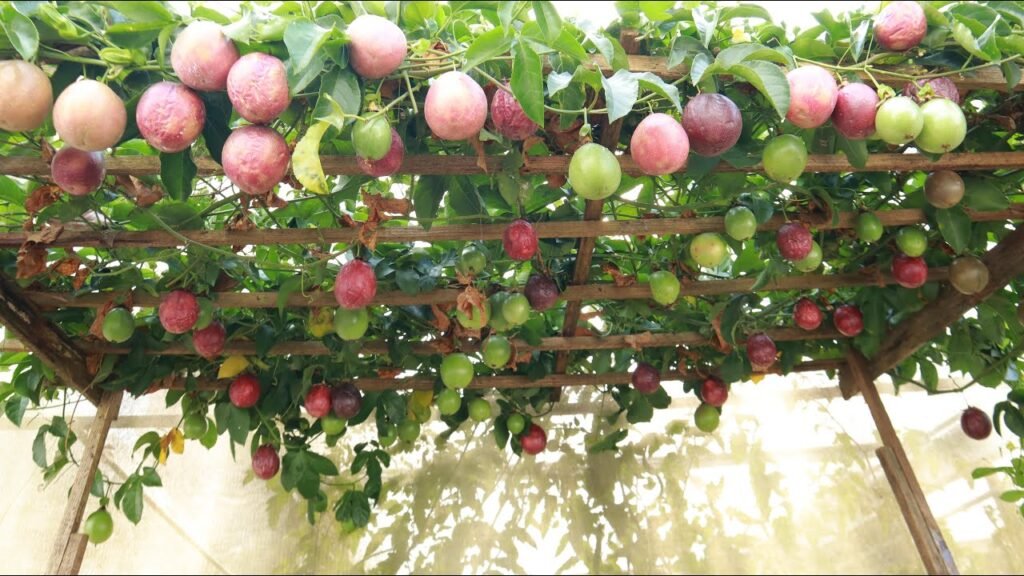
Pruning is essential for maximum yield and healthy plants:
- Remove dead, weak, or crossing vines
- Train the vine along a trellis for better air circulation
- Maintain one or two main stems per plant for easier management
- Thin excess fruits early to allow remaining fruits to grow larger
Well-pruned plants produce larger, sweeter pink passion fruits, often drawing attention with their striking color.
🐛 Pests and Diseases
Pink passion fruit is relatively hardy, but watch for:
- Aphids: Spray neem oil or soapy water
- Fruit flies: Cover young fruits with mesh bags
- Fusarium wilt: Avoid overwatering and rotate crops
- Root-knot nematodes: Use organic neem or marigold companion planting
Proper care reduces losses and ensures the fruit develops full color and sweetness.
🍹 How to Enjoy Pink Passion Fruit
The unique pink pulp is not just visually stunning—it’s incredibly versatile:
- Fresh Eating: Scoop out the pulp and eat directly. Sweet, tangy, and refreshing.
- Juices and Smoothies: Blend with water, sugar, or other tropical fruits for a natural pink drink.
- Desserts: Use in ice creams, sorbets, mousse, tarts, or fruit salads.
- Cocktails: Perfect for garnishing tropical drinks and mocktails.
- Jam or Jelly: Makes beautifully colored spreads that are a hit on breakfast tables.
Its natural color and sweet-tart taste make it stand out on any plate.
🌟 Secrets to Growing Exceptional Pink Passion Fruits
To grow fruits that will make anyone ask, “Did you ever see a pink passion fruit like this?”, follow these tips:
- Grafted Plants: Ensure true-to-type pink fruits.
- Full Sun Exposure: Essential for color and sweetness.
- Consistent Watering: Keep soil moist but avoid waterlogging.
- Potassium-Rich Fertilizer: Enhances fruit flavor and size.
- Proper Pruning: Supports strong vines and larger fruits.
- Hand Pollination (Optional): Increases fruit set for high-value plants.
With these steps, you can grow a vine that produces large, vibrant pink passion fruits with creamy, flavorful pulp.
🌎 Where Pink Passion Fruit Thrives
- Tropical and subtropical regions
- Can be grown in USDA zones 9–11
- Container-grown vines are possible in cooler climates if protected from frost
- Greenhouses or shade-protected gardens allow year-round flowering
Pink passion fruit is ideal for home gardens, patios, and small orchards.
🌸 Final Thoughts: Did You Ever See a Pink Passion Fruit Like This?
Pink passion fruit isn’t just another tropical fruit—it’s a stunning, high-value, flavorful delight that will elevate any garden or kitchen. Its vibrant color, tangy-sweet flavor, and unique versatility make it a favorite among gardeners and food lovers alike.
By choosing grafted plants, providing proper care, and following the steps in this guide, you can grow extraordinary pink passion fruits that are larger, sweeter, and more visually appealing than ordinary varieties.
Whether eaten fresh, blended into juice, or transformed into desserts, this fruit is truly a conversation starter. The next time someone asks, “Did you ever see a pink passion fruit like this?”, you can proudly point to your garden—and taste the magic yourself.