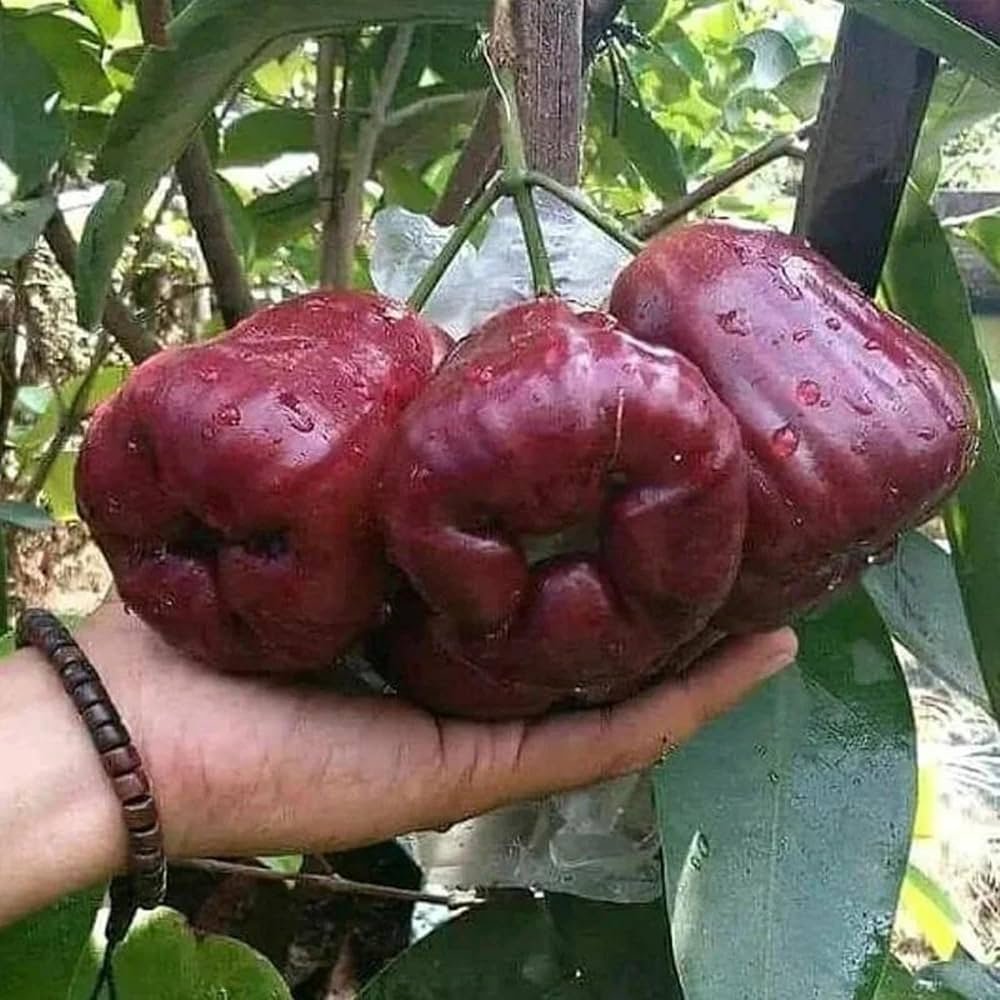
Rose apple, scientifically known as Syzygium jambos, is a tropical fruit celebrated for its crisp texture, fragrant aroma, and slightly sweet flavor. Typically, rose apples are green, red, or pink, but recently, a rare black rose apple variety has been captivating gardeners and fruit lovers alike.
This exotic fruit is not only visually striking but also delicious, nutritious, and surprisingly easy to cultivate in the right conditions. In this article, we’ll explore the mystery of the black rose apple, its health benefits, cultivation tips, and how you can grow your own tree to enjoy this unique fruit.
🌱 What Makes the Black Rose Apple So Unique?
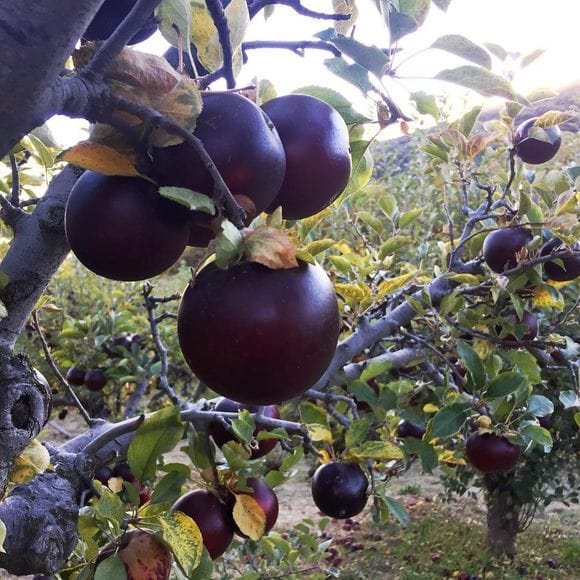
The black rose apple is truly a marvel among tropical fruits due to several distinguishing features:
- Striking Black or Deep Purple Skin
Unlike ordinary rose apples, this variety has a dark, almost black skin that catches the eye instantly. - Crisp, Juicy Flesh
The inside remains juicy and crisp, with a mild, slightly sweet flavor reminiscent of the classic rose apple but more exotic. - Fragrant Aroma
Black rose apples retain the signature floral fragrance of rose apples, making them appealing for both eating fresh and culinary use. - Nutritional Benefits
Rich in vitamins A and C, antioxidants, and dietary fiber, black rose apples support immunity, digestion, and overall health. - High Market Appeal
Its rarity and exotic appearance make it highly sought after in specialty markets and among fruit collectors.
Many enthusiasts have shared photos and videos asking, “Did you ever see this black rose apple?” due to its unusual color and exotic appeal.
🌿 Why the Black Rose Apple Is Gaining Attention
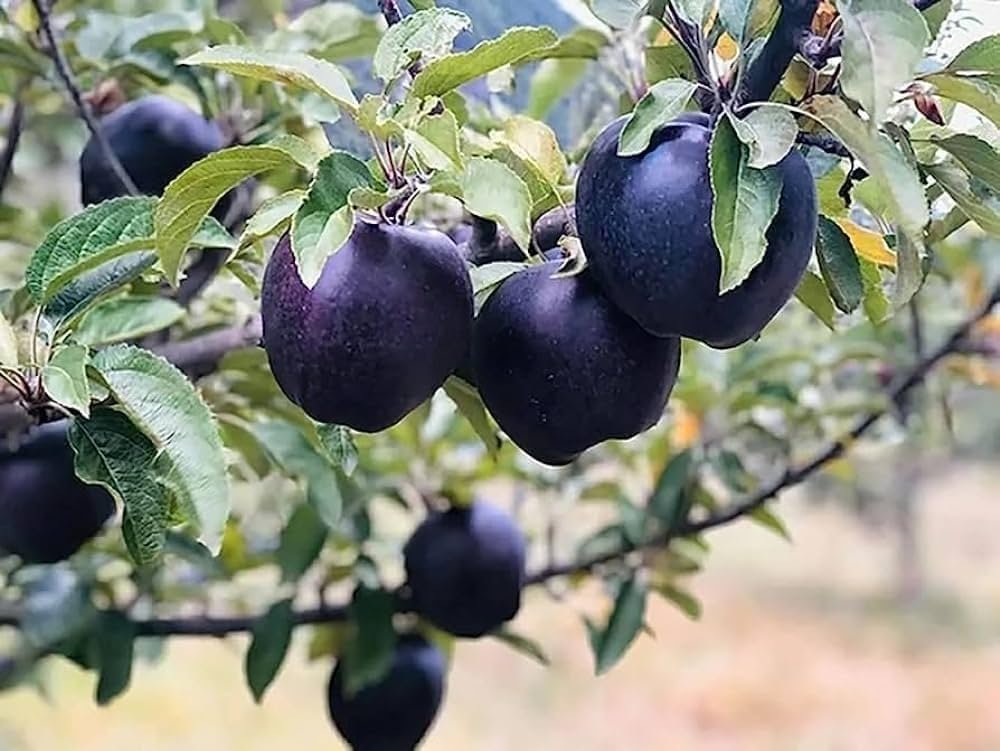
Gardeners and fruit lovers are increasingly fascinated by this variety because:
- Rare Variety: Deep black or dark purple coloration is uncommon.
- Ornamental Appeal: The tree’s dark fruit and lush green leaves create an attractive garden feature.
- Flavor: Crisp, juicy, and subtly sweet with a floral aroma.
- Market Value: Specialty fruit buyers are willing to pay premium prices.
- Adaptability: Can be grown in tropical and subtropical climates with proper care.
This combination of beauty, flavor, and rarity makes black rose apple a must-try fruit for tropical fruit enthusiasts.
🌱 How to Grow Black Rose Apple Successfully
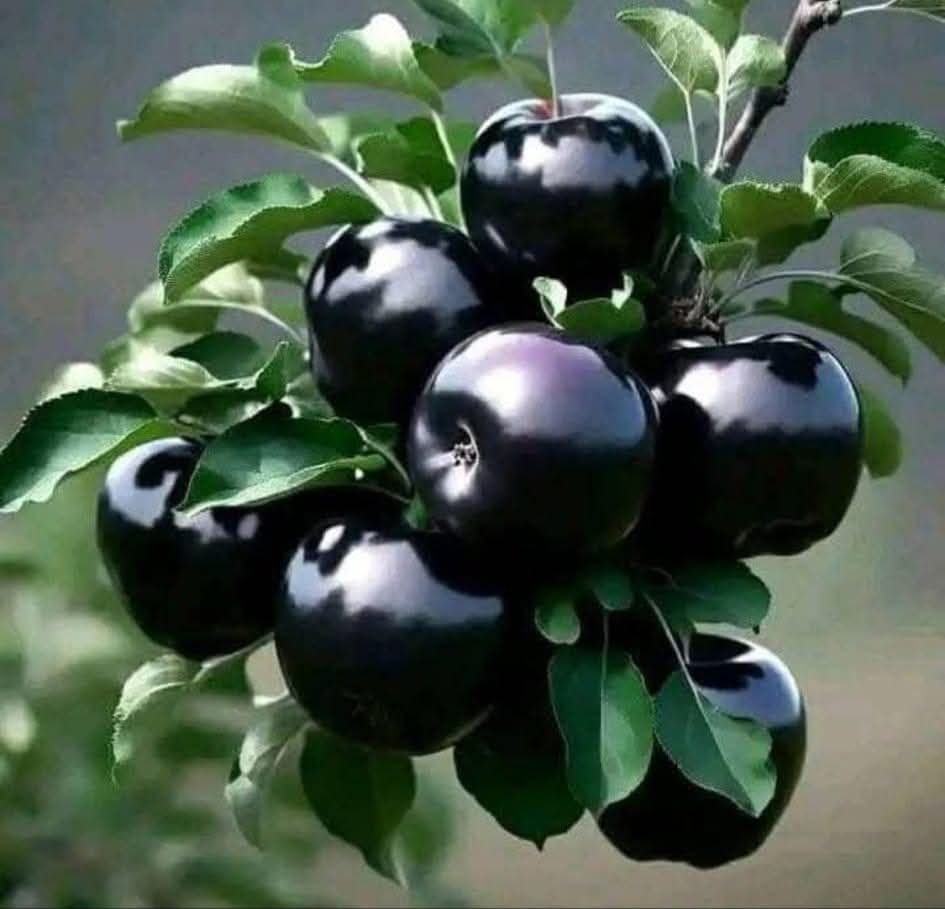
Growing black rose apple requires attention to soil, sunlight, and proper care. Here’s a detailed guide:
1. Climate and Location
- Temperature: Thrives in tropical and subtropical climates (20°C–35°C / 68°F–95°F).
- Sunlight: Full sun exposure for at least 6 hours daily.
- Protection: Shield from strong winds and frost to prevent damage.
This fruit performs best in warm, humid environments with good air circulation.
2. Choosing Planting Material
There are two main methods:
- Seeds:
- Plant seeds from mature black rose apples.
- Germination takes 2–3 weeks, but fruiting can take 5–7 years.
- Grafted Saplings (Recommended):
- Use scions from a healthy black rose apple grafted onto a hardy rootstock.
- Benefits:
- Ensures true-to-type fruit
- Produces fruit in 2–3 years
- Higher yield
- Stronger, disease-resistant trees
Grafted saplings are the preferred choice for home gardeners who want early fruiting and consistent quality.
3. Soil Preparation
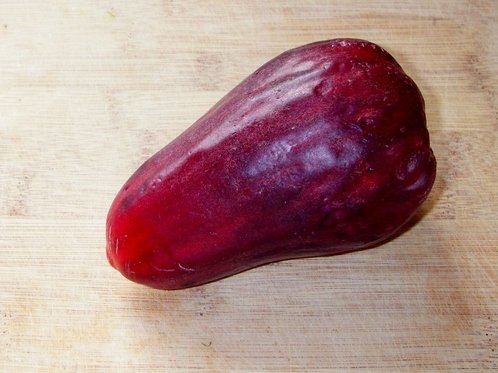
- Well-drained, fertile soil is essential.
- Mix garden soil with compost or aged manure for better growth.
- Slightly acidic to neutral soil (pH 6–7) works best.
- Avoid waterlogged areas to prevent root rot.
4. Planting Techniques
- Dig a hole twice the size of the root ball.
- Place the sapling or seedling slightly above soil level.
- Backfill with soil mixed with compost.
- Water thoroughly after planting.
- Mulch around the base to retain moisture and reduce weeds.
Black rose apple trees can grow 10–15 feet tall, so allow sufficient space between trees for optimal growth.
💧 Watering and Fertilizing Black Rose Apple
Watering
- Young plants: Keep soil consistently moist, watering every 2–3 days.
- Mature trees: Deep watering once or twice per week depending on rainfall.
- Avoid waterlogging to prevent root diseases.
Fertilizing
- Use a balanced NPK fertilizer every 6–8 weeks.
- Organic fertilizers like compost, cow dung, or seaweed extract improve soil fertility.
- Potassium-rich fertilizers during flowering and fruiting enhance sweetness and fruit size.
Regular watering and proper fertilization are key to producing large, juicy black rose apples.
🌸 Flowering and Fruit Development
- Black rose apple trees produce small, fragrant flowers that attract pollinators like bees and butterflies.
- Flowers bloom abundantly, usually in spring or early summer.
- Fruits develop 3–5 months after pollination, depending on climate.
Harvesting Tips
- Fruits are ready when skin turns deep black or dark purple and gives slightly under gentle pressure.
- Gently twist or cut fruits to avoid damaging branches.
- Harvest regularly to encourage continuous fruiting.
✂ Pruning and Tree Management
Pruning is essential for a healthy tree and abundant fruit:
- Remove dead, weak, or crossing branches.
- Maintain an open canopy for sunlight and airflow.
- Thin excess fruits to allow remaining fruits to grow larger.
- Support heavy branches to prevent breakage.
Proper pruning ensures bigger, sweeter, and more visually striking fruits.
🐛 Pests and Diseases
Black rose apple is hardy but can face some challenges:
- Fruit flies: Cover fruits or use traps.
- Aphids and mealybugs: Spray with neem oil or insecticidal soap.
- Anthracnose or fungal infections: Use organic fungicides and remove infected parts.
- Root rot: Ensure proper drainage and avoid overwatering.
Regular monitoring and care will help the tree remain healthy and productive.
🍽 How to Enjoy Black Rose Apple
The fruit is not only exotic but also versatile in the kitchen:
- Fresh Eating: Slice and enjoy the crisp, juicy flesh.
- Juices & Smoothies: Blend for a refreshing tropical drink.
- Desserts: Use in fruit salads, ice creams, puddings, or tarts.
- Cooking: Incorporate into jams, jellies, or tropical sauces.
- Garnishing: Adds a dramatic color and exotic flair to dishes.
Its crisp texture and mild floral sweetness make it a delightful treat for all ages.
🌟 Tips to Grow Extraordinary Black Rose Apples
To achieve fruits that will make anyone ask, “Did you ever see this black rose apple?”:
- Use grafted saplings to ensure true-to-type fruit.
- Provide full sun for optimal sweetness and color.
- Maintain consistent watering and mulching.
- Apply potassium-rich fertilizers during flowering and fruiting.
- Prune regularly to promote healthy growth and larger fruits.
- Thin excess fruits to enhance size and sweetness.
- Encourage pollination by bees or hand-pollinate flowers if necessary.
Following these steps will give you visually stunning, crisp, and sweet black rose apples that are sure to impress.
🌎 Where Black Rose Apple Thrives
- Tropical and subtropical climates
- USDA zones 10–11 for outdoor planting
- Can also be grown in large containers in warm climates
- Needs protection from frost and strong winds
This exotic fruit is ideal for home gardens, tropical orchards, and specialty fruit collectors.
🌑 Final Thoughts: Did You Ever See This Black Rose Apple?
The black rose apple is more than just a fruit—it’s a tropical marvel. With its deep black color, crisp texture, subtle sweetness, and exotic fragrance, it’s a feast for the eyes and taste buds.
By choosing grafted saplings, providing proper care, and following the cultivation tips above, you can grow rare, juicy black rose apples in your own garden.
Whether eaten fresh, juiced, or used in desserts, this fruit will amaze friends, family, and neighbors. The next time someone asks, “Did you ever see this black rose apple?”, you’ll have a tree full of exotic tropical treasure ready to share.