Fenugreek, also known as methi, is a versatile and nutrient-packed herb used widely in Indian, Middle Eastern, and Mediterranean cuisines. Its leaves are rich in vitamins A, C, K, iron, and antioxidants, while its seeds are famous for medicinal and culinary uses. The best part is that you can grow fenugreek easily at home, even in small spaces like balconies, kitchen windowsills, or terraces. With the right approach, you can see sprouts in just 5 days, giving you a fast and continuous supply of fresh, healthy greens. This guide will walk you step by step from seed selection to harvest, ensuring a thriving fenugreek plant at home.
🌿 Why Grow Fenugreek at Home?
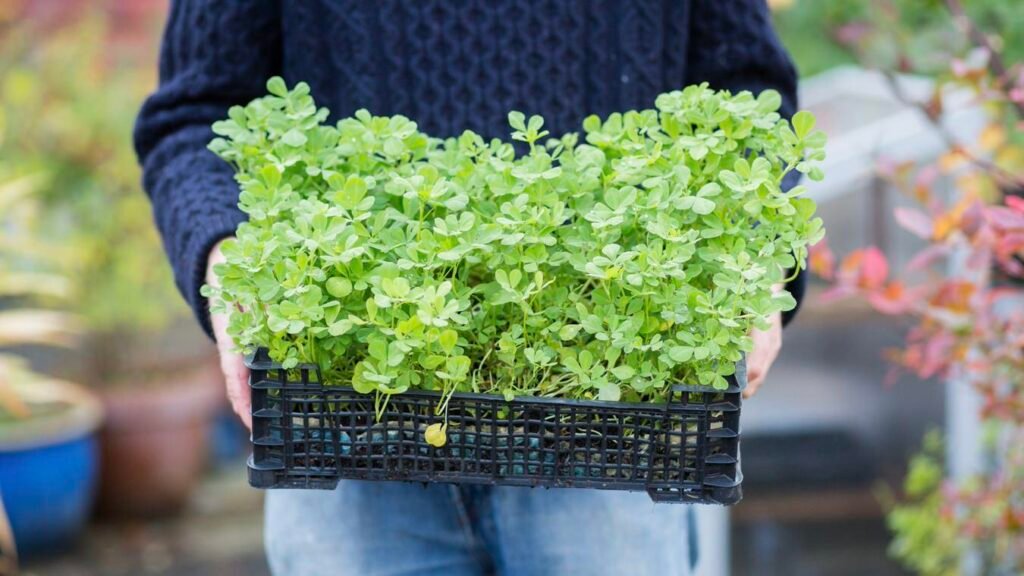
Homegrown fenugreek offers numerous benefits:
- Fresh and chemical-free leaves and seeds
- Rapid growth: Ready to harvest in 10–15 days for microgreens
- Space-efficient: Perfect for pots, trays, or small garden beds
- Health benefits: Supports digestion, lowers blood sugar, and boosts immunity
- Cost-effective: Saves money compared to buying fresh methi leaves regularly
Growing fenugreek at home is not just practical—it’s also rewarding for those who enjoy gardening or cooking fresh, healthy meals.
🌿 Understanding the Fenugreek Plant
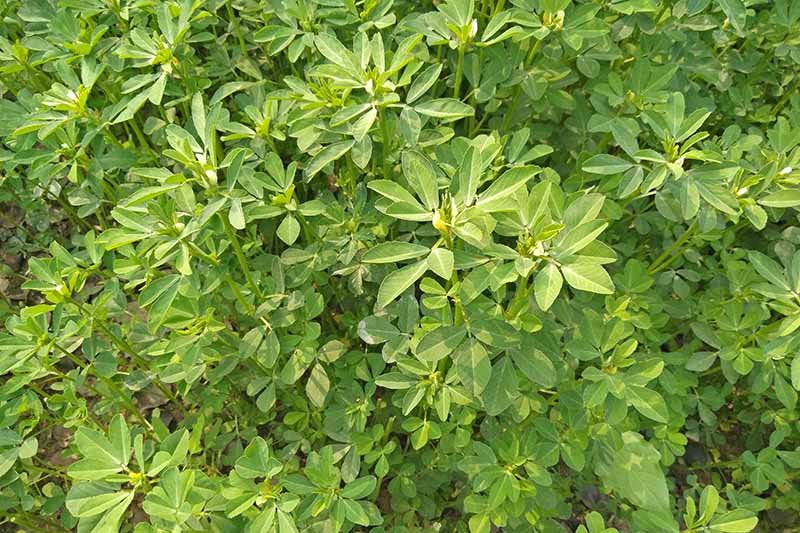
Botanical Name: Trigonella foenum-graecum
Plant Type: Annual herb
Growth Habit: Upright, leafy plant with a slender stem
Sunlight Requirement: Full sun to partial shade
Soil Preference: Well-draining, fertile, slightly acidic to neutral (pH 6–7.5)
Fenugreek is a hardy plant that grows quickly in cool to moderate climates. It thrives both in containers and garden beds, making it ideal for urban home gardening.
🌿 Step 1: Choosing the Right Seeds
Healthy seeds are the first step to successful growth.
Tips for Seed Selection:
- Use certified organic fenugreek seeds for better germination
- Avoid old or damaged seeds
- Select small, plump seeds for faster sprouting
Pre-soaking for Rapid Germination:
- Soak seeds in lukewarm water for 6–8 hours
- This softens the seed coat and ensures faster germination
- Pre-soaked seeds can sprout within 3–5 days
🌿 Step 2: Preparing Containers and Soil
Fenugreek grows well in pots, trays, or small garden beds, making it ideal for home growers.
Container Options:
- Shallow trays for quick microgreens
- Pots 6–8 inches deep for leafy growth
- Raised garden beds for larger plants
Soil Mix:
- 40% garden soil
- 30% compost or organic manure
- 20% cocopeat or vermicompost
- 10% sand for proper drainage
The soil must be loose and well-draining to prevent waterlogging and encourage strong root growth.
🌿 Step 3: Sowing Fenugreek Seeds
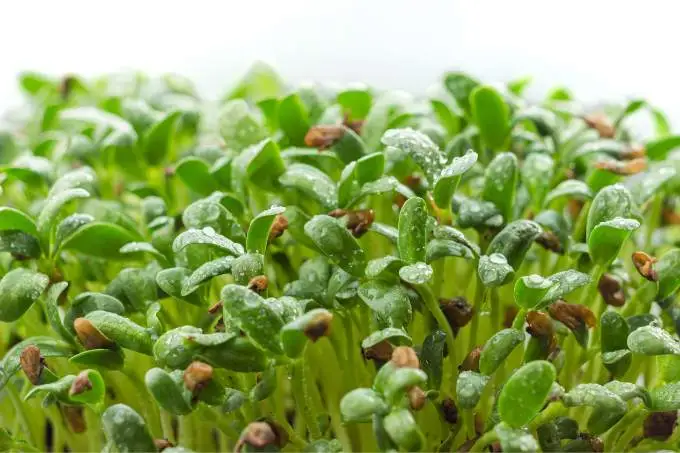
Sowing fenugreek is simple and can be done in both containers and garden beds.
Steps for Quick Sprouting:
- Fill your container or tray with prepared soil.
- Sow pre-soaked seeds ½–1 cm deep, spacing them 1–2 inches apart.
- Cover lightly with soil and water gently.
- Place the container in a warm, sunny spot or near a window.
Germination Timeline:
- Seeds typically sprout in 3–5 days
- Keep soil consistently moist but not soggy
For microgreens, you can start harvesting 10–12 days after sowing, while full-grown leaves are ready in 20–25 days.
🌿 Step 4: Watering Your Fenugreek Plants
Watering is key to fast growth and healthy leaves.
Watering Guidelines:
- Keep soil evenly moist, especially during early growth
- Water gently to avoid washing away seeds or damaging young sprouts
- Use a spray bottle for seedlings to provide gentle hydration
Consistent moisture ensures tender, flavorful leaves and faster growth.
🌿 Step 5: Sunlight and Temperature Requirements
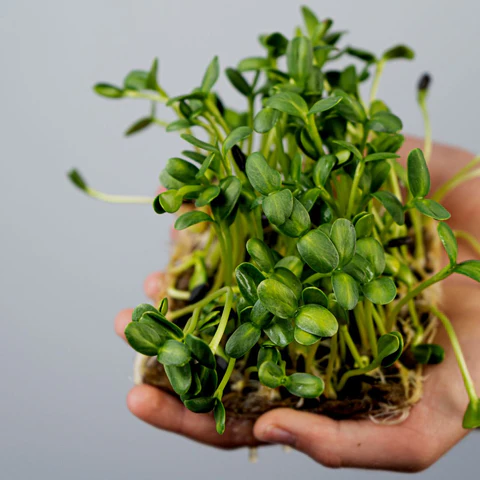
Fenugreek grows best in cool, sunny conditions:
- Sunlight: 4–6 hours of direct sunlight daily
- Temperature: 18–25°C optimal for germination and growth
- Protect seedlings from frost or excessive heat
For indoor growth, a sunny windowsill or balcony is ideal, while garden beds work well in moderate climates.
🌿 Step 6: Fertilizing Fenugreek
Fenugreek is a nitrogen-fixing plant and generally requires minimal fertilization, but a little organic nutrition promotes faster growth.
Organic Fertilizer Options:
- Vermicompost or cow dung at sowing
- Liquid compost tea every 10–15 days for leaf growth
Optional Mineral Fertilizers:
- Balanced NPK (10:10:10) once during early growth
- Avoid over-fertilization, which can reduce leaf flavor
🌿 Step 7: Supporting the Plants
Fenugreek grows upright but can become slightly leggy if crowded.
- Thin seedlings to 2–3 inches apart to allow air circulation
- Use shallow stakes if growing tall varieties
- Remove weak or damaged stems for stronger growth
Proper spacing ensures dense, bushy plants with tender leaves.
🌿 Step 8: Flowering and Seed Production
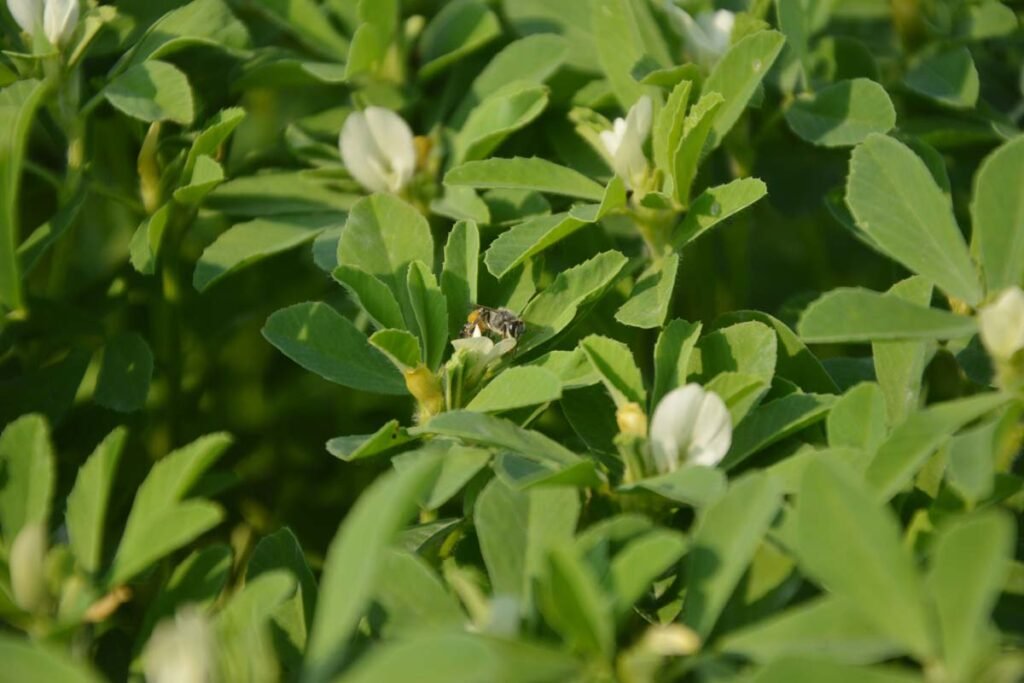
Fenugreek flowers after 4–6 weeks, producing small white or yellow blooms.
- For leaf harvest, you can cut leaves before flowering
- For seed production, allow the plant to flower and form pods
- Hand-pollination is generally not required, as fenugreek is self-pollinating
🌿 Step 9: Pruning and Maintenance
Although low-maintenance, a few simple practices improve growth and yield:
- Remove yellow or damaged leaves regularly
- Mulch the base to retain soil moisture and suppress weeds
- Thin overcrowded seedlings to improve air circulation
Regular maintenance keeps plants healthy and productive.
🌿 Step 10: Pest and Disease Management
Fenugreek is hardy but may face occasional pests:
Common Pests:
- Aphids
- Whiteflies
- Caterpillars
Organic Solutions:
- Neem oil spray every 10–15 days
- Garlic or chili water sprays
- Remove affected leaves promptly
Common Diseases:
- Powdery mildew: Ensure proper spacing and sunlight
- Root rot: Avoid waterlogging
Healthy soil, good sunlight, and careful watering reduce pest and disease problems.
🌿 Step 11: Harvesting Fenugreek
Fenugreek leaves are ready for harvest 10–20 days after sowing, depending on growth.
Harvesting Tips:
- Snip outer leaves regularly to encourage new growth
- Use scissors or pinch gently to avoid damaging the plant
- For seeds, allow pods to mature fully, then dry and collect seeds
Regular harvesting ensures a continuous supply of fresh, aromatic leaves for your kitchen.
🌿 Step 12: Tips for Continuous Supply
To enjoy fresh fenugreek leaves continuously:
- Sow seeds in staggered batches every week
- Rotate containers or garden beds to maintain soil fertility
- Mulch and fertilize lightly to support new growth
- Harvest leaves frequently to prevent bolting
With these steps, you can enjoy fresh, homegrown fenugreek leaves year-round.
🌿 Why This Method Works Well at Home
This method is ideal for home gardening because it:
✔ Works in small spaces like trays, pots, or terraces
✔ Produces sprouts in just 5 days and harvestable leaves within 10–20 days
✔ Uses organic, readily available fertilizers
✔ Requires minimal maintenance
✔ Is beginner-friendly and cost-effective
Even urban gardeners can enjoy lush, productive fenugreek plants using this method.
🌿 Final Thoughts
Growing fenugreek at home is simple, fast, and highly rewarding. From seed selection to watering, sunlight, fertilization, and harvesting, this step-by-step guide ensures success for beginners and experienced gardeners alike.
With patience and proper care, your kitchen, balcony, or terrace can be filled with fresh, nutrient-rich fenugreek leaves in just a few days. Start today, and enjoy the taste, health benefits, and satisfaction of homegrown fenugreek!